
Man Posing as Electricity Worker Allegedly Demands ₹1 Lakh From Varanasi Advocate
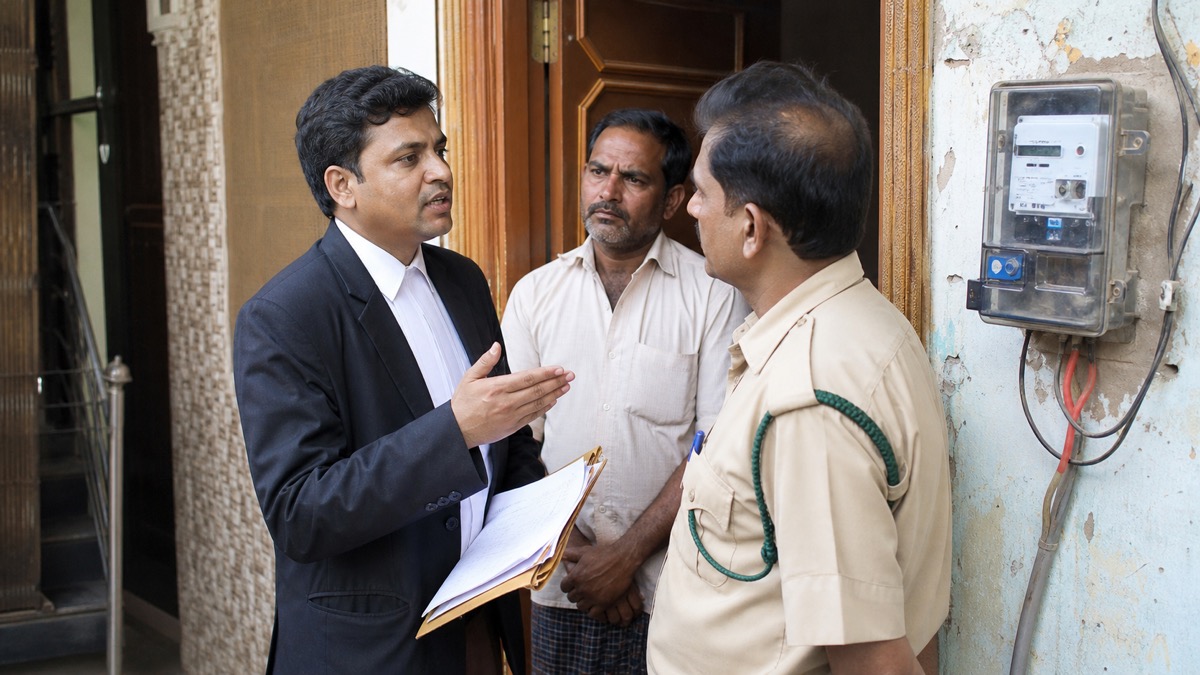
Varanasi: An advocate in Varanasi has alleged that a man posing as an electricity department worker demanded ₹1 lakh and threatened to implicate him in a power-theft case. The complaint raises a familiar but serious risk: fraudsters using the fear of disconnection, inspection or prosecution to pressure consumers into immediate payment.
According to the reported allegation, the visitor presented himself with enough official appearance or language to make the threat credible. Electricity enforcement can involve meter checks, written inspection reports and penalties, which gives an impostor a ready-made script. A consumer confronted at home may struggle to distinguish a genuine inspection from intimidation, especially when the caller insists that the issue can be “settled” in cash.
Police must establish the man’s identity, whether he had any link with the power utility and whether similar complaints exist. The advocate’s account is not a judicial finding, and all claims will need supporting evidence. Phone records, nearby cameras, messages and any document shown during the visit could help determine whether this was an isolated attempt or part of a broader pattern.
A legitimate electricity inspection should leave a trace. Officials are expected to carry identification, follow departmental procedure and document any alleged irregularity. Penalties are not paid privately at a doorway. Consumers who are uncertain should call the official helpline using a number obtained from a bill or the utility’s website, rather than one supplied by the visitor. They should also avoid handing over cash, OTPs or copies of identity documents.
The use of a threatened theft case makes the allegation particularly troubling. It turns public authority into leverage for private extraction and can damage confidence in genuine field staff. Electricity departments can counter that by publishing inspection protocols, enabling quick verification of employee IDs and acting promptly when someone misuses the department’s name.
The complaint also shows why professional status offers no automatic protection. Lawyers, teachers, business owners and senior citizens can all be vulnerable when a fraudster arrives with specific technical language and a demand framed as urgent. The sensible response is to pause, verify and document. In Varanasi, the investigation should now determine who approached the advocate and whether anyone else received the same threat. A clear outcome would protect both consumers and legitimate electricity workers whose credibility is undermined by impostors.
The power utility can assist by confirming whether any employee or contractor was assigned to the property on the relevant date. That single verification could narrow the police inquiry and reassure field teams. It should also remind consumers that genuine theft assessments follow a documented process with inspection reports, notices and traceable payment channels—never a private cash bargain.
Sources and reporting
Based on a complaint reported locally on 14 August 2026. The demand and threat are allegations by the complainant; the accused person’s status and any official departmental connection remain for police to verify.
Related Stories

Ramnagar Day Three Follows Vishwamitra Into the Forest and Mithila

Shivpur Ramlila Stages Narad Moh and Kshirsagar Tableau Through Rain
VMC Puts City on Alert for Navratri and Durga Puja Civic Arrangements
Chowk Becomes Varanasi's First Police Station With ISO 9001 Certificate

World Tourism Day: Guides Welcome Visitors; Namami Gange Cleans Namo Ghat