CHENNAI: The ePlane Company, incorporated as Ubifly Technologies Pvt Ltd at IIT Madras, publishes a detailed roadmap for its e200X electric vertical take-off and landing aircraft on eplane.ai, including a full-scale prototype narrative and DGCA certification milestones.
The about timeline says the firm was co-founded with Prof. Satya Chakravarthy, secured Design Organisation Approval as a private Indian entity, and later received DGCA acceptance of a type-certification application for the e200X. Addresses listed include IIT Madras Research Park and a Thaiyur campus facility.
What e200X is specified to do
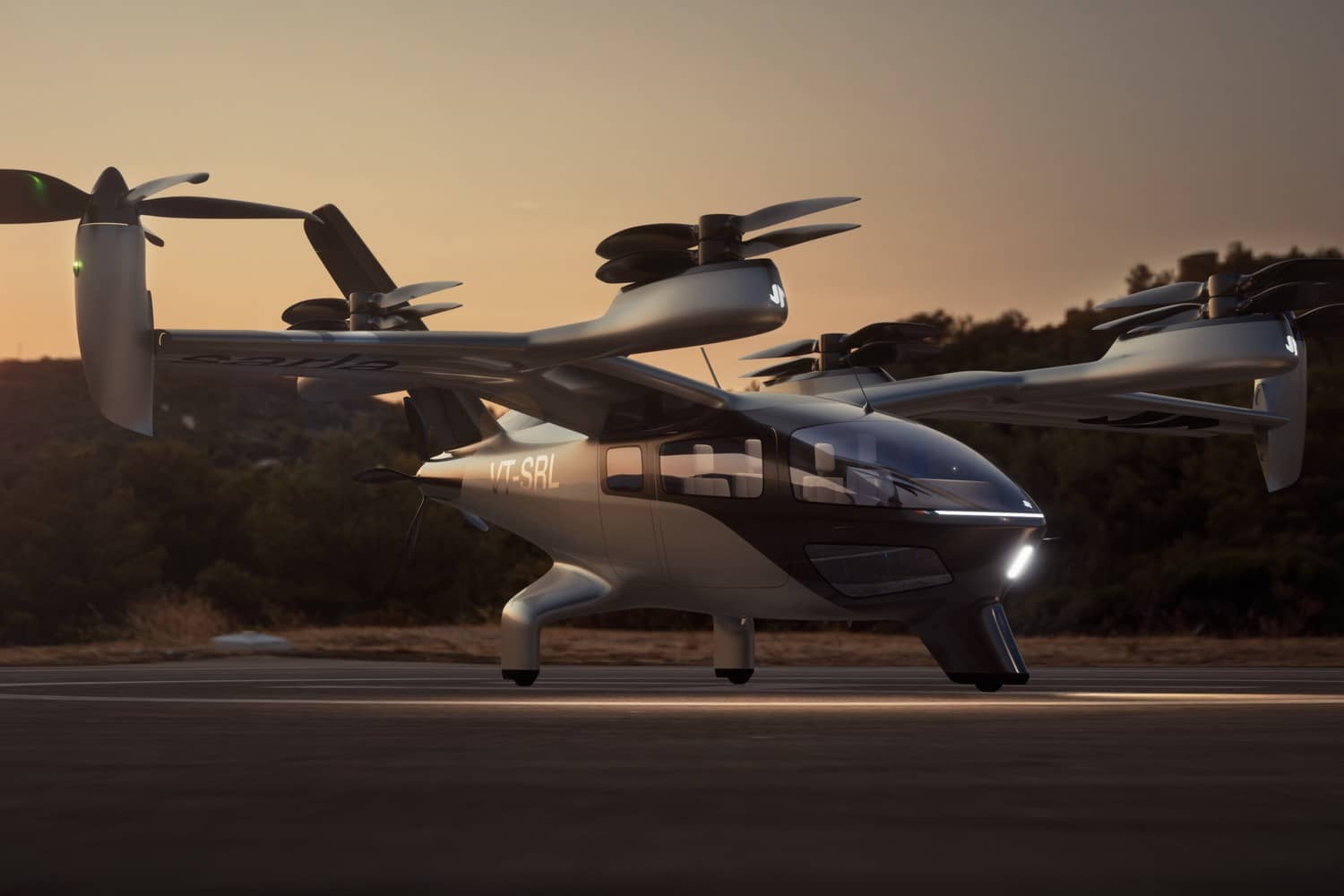
Company pages describe a compact airframe on the order of 8 m by 11 m, ten propulsion units split between vertical lift and forward flight, a target mission with one pilot, one patient and one paramedic for air-ambulance use, about 110 km range on a charge, and design language aimed at existing helipads.
Safety copy stresses isolation between vertical and forward propulsion paths and a target aligned with commercial air-transport probability goals. Those are design targets from ePlane, not a completed type certificate.
Partners named on the company site
ePlane's news blocks name HENSOLDT for avionics, AMS Heli for modular interiors, Apollo Hospitals for an electric air-ambulance MoU, and SASMOS for wiring systems. Treat each as a partnership announcement on ePlane's own domain rather than a verified delivery schedule.
For other Indian advanced-air and space stories on this desk, see Skyroot Aerospace and Dhruva Space LEAP-2. ePlane's bet is intra-city and medical VTOL rather than orbital launch.
ePlane's Synergistic Lift story, decoupling lift rotors from cruise propulsion, is the technical thread running through its patents and prototype films. The company says patents are granted in multiple countries; patent grants still differ from production certificates.
Air-ambulance positioning with hospital partners is a pragmatic go-to-market angle in Indian cities where rooftop helipads already exist but turbine helicopters are expensive to operate. Electric propulsion promises lower noise and different energy costs, provided batteries and chargers meet dispatch reliability.
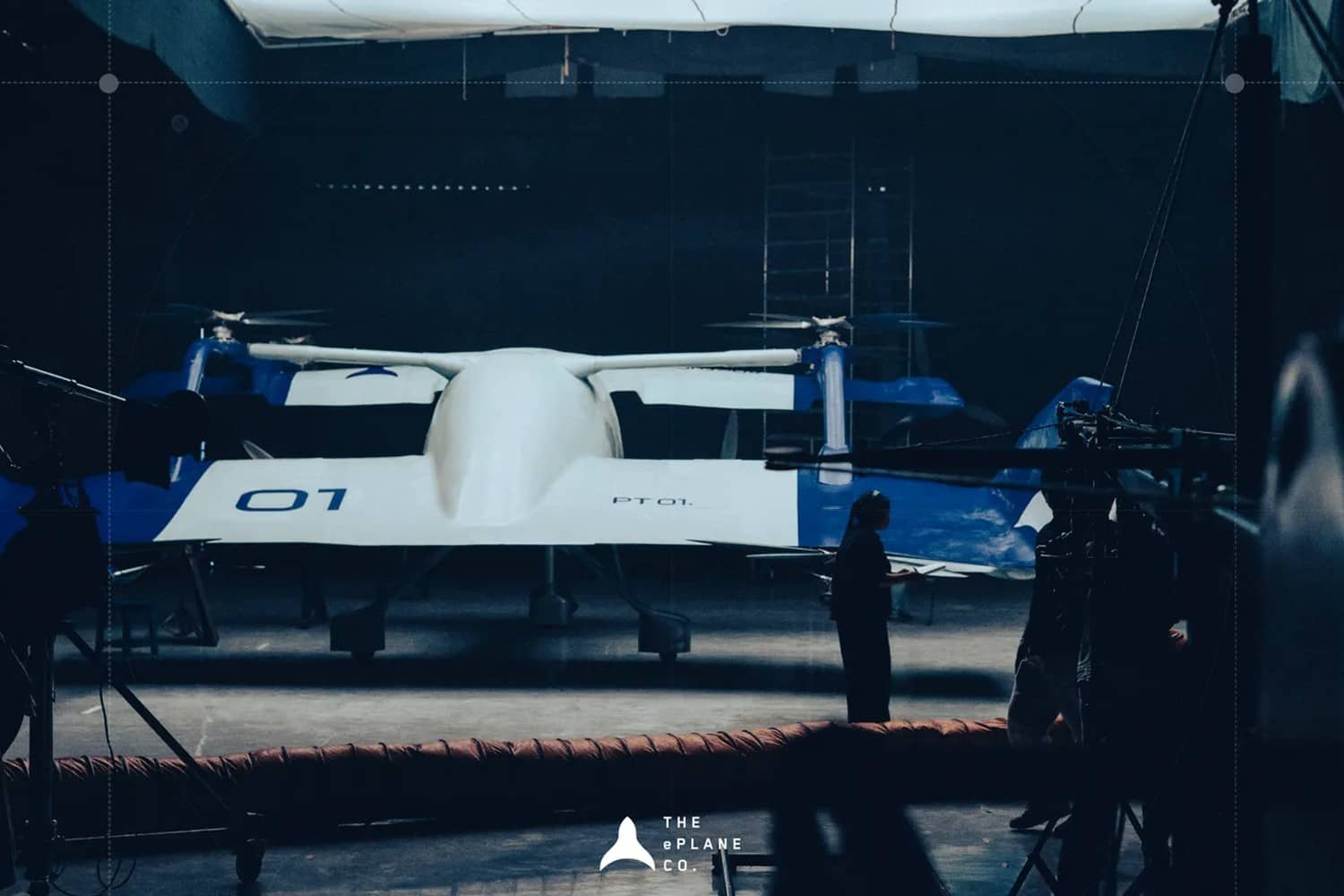
The Thaiyur facility size (about 60,000 sq ft in company copy) and carbon-composite clean-room language are meant to show manufacturing seriousness. Visitors' photos of full-scale articles help, yet certification authorities will care more about configuration control and test instrumentation.
Type-certification acceptance is an early bureaucratic milestone. The long pole remains flight-test campaigns under DGCA oversight across multiple prototypes, which ePlane itself schedules as multi-year work.
Chennai's IIT Madras research-park address anchors the firm's academic origin story. Commercial readers should still separate university proximity from airline-ready operations when modelling entry into service.
Emergency medical services are a demanding launch customer because dispatch reliability and cabin access for stretchers dominate over passenger glamour. ePlane's ambulance-oriented copy should be read against those operational constraints.
Urban vertiport scarcity is real in Indian metros. ePlane argues existing helipads and even dual parking-spot footprints can work for the e200X scale. City governments will still need fire, security and slot rules before scheduled hops begin.
Partner logos from avionics and wiring suppliers reduce some integration risk. They do not remove the need for ePlane to freeze a certifiable configuration and stick to it through flight test.
Series B capital mentioned on the about timeline funded earlier growth. This explainer does not refresh a capitalisation table; it explains the aircraft and regulatory path on the public site as of early October 2026.
Chennai's humid coastal climate will test battery thermal management on any electric aircraft based there. Ground-test photos in hangars are only the start of environmental qualification.
A careers-style connect page has listed people@eplane.ai. Media teams should still confirm the right inbox before sending interview requests, because hiring aliases and press aliases sometimes differ.
Indian advanced air mobility will also need training pipelines for pilots and maintainers. ePlane's simulator mentions on sister programmes across the industry show how early that work starts. Until those pipelines exist, even a certified airframe can sit underused.
Readers comparing eVTOL startups should weigh published DGCA steps more heavily than render reels. ePlane's site gives enough regulatory breadcrumbs for that comparison without borrowing claims from other publishers.
Until type certification closes, passenger ticket prices and city routes remain speculative. The useful public facts today are the airframe concept, the DGCA process steps ePlane publishes, and the named industrial partners on its site.