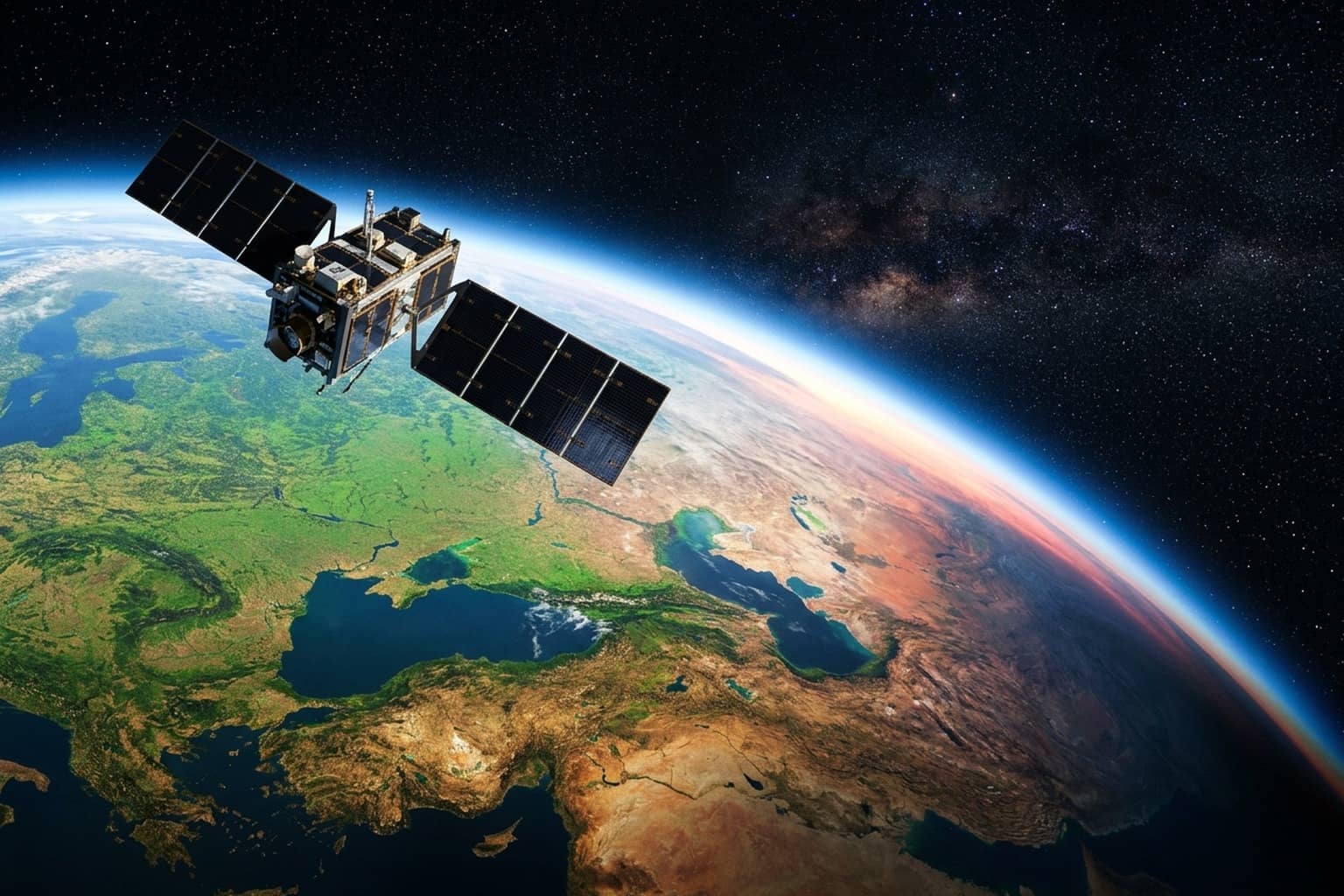
NEW DELHI: Dhruva Space says its LEAP-2 satellite was deployed in orbit at 1:00 am IST on 2 October 2026, about an hour after a SpaceX Falcon 9 lifted off with it, according to the company's LEAP-2 mission page. The satellite flew on the Transporter-18 rideshare mission, which SpaceX's mission page records as launching from Vandenberg Space Force Base in California at 11:32 am Pacific time on 1 October. That works out to 12:02 am IST on 2 October, the lift-off time Dhruva Space also gives.
LEAP-2 is the Indian company's second commercial mission on its P-30 satellite platform. SpaceX lists "Dhruva Space LEAP-2" among the payloads deployed from the flight, which carried 130 in all.
Two customers on one satellite
The mission is a hosted-payload flight, meaning outside customers put their instruments on a satellite bus that Dhruva Space builds and operates. LEAP-2 carries two in-orbit demonstrations. One is a star tracker from Sodern ArianeGroup, a France-based firm. The other is TAPAS-1 from Satleo Labs, an Ahmedabad-based start-up that works on thermal imaging from space.
The company says LEAP stands for Launching Expeditions for Aspiring Payloads. Under the programme, a customer gets a flight-proven satellite bus and core subsystems, so it does not have to build a spacecraft of its own. Dhruva Space lists the services around it: bus and subsystem development, payload integration, environmental testing, launch coordination and integration, ground segment readiness and deorbiting at end of life. It says shared flights cut the capital a customer needs to spend.
Launch integration done in house
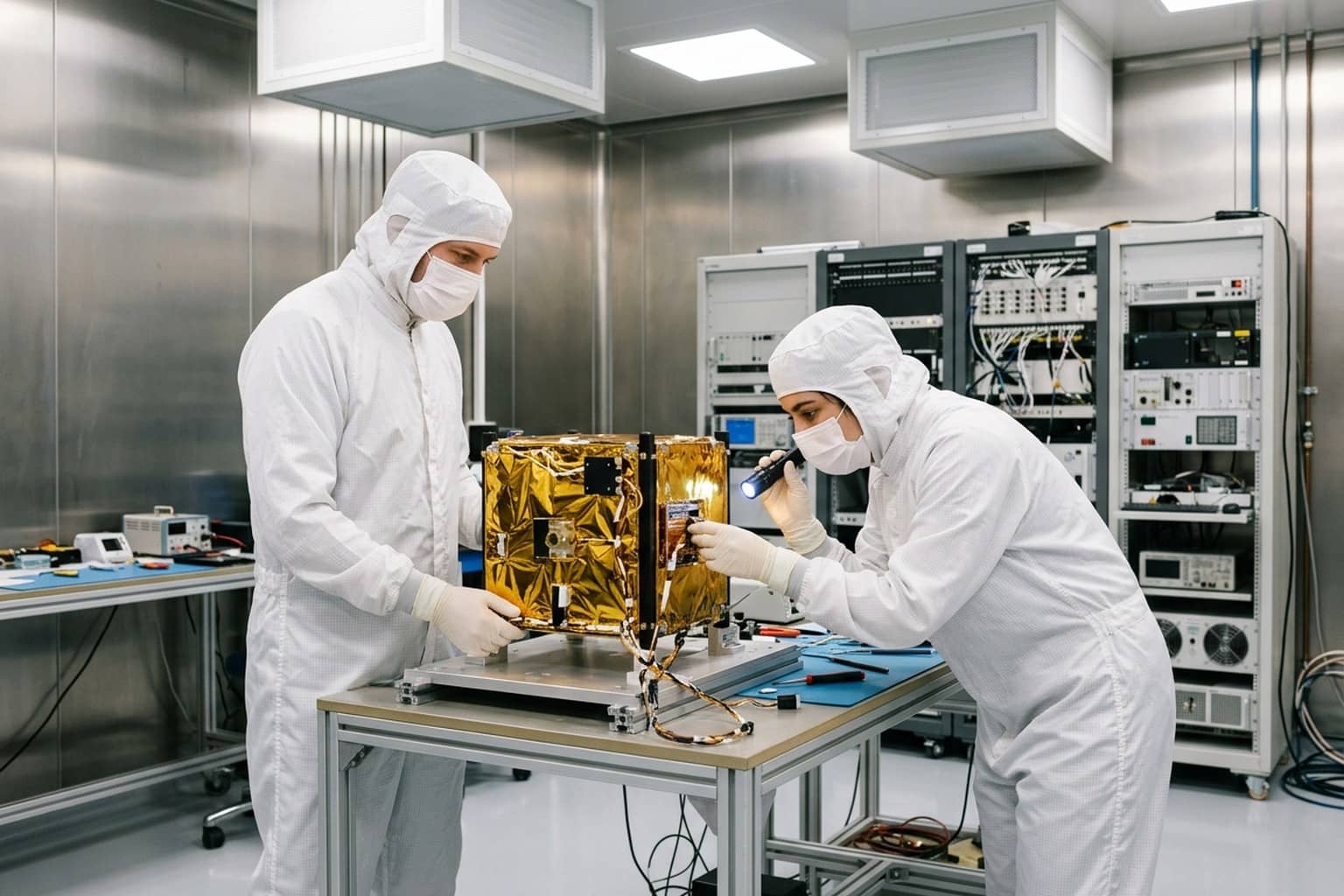
One detail the company stresses is that it handled the integration of LEAP-2 with the Falcon 9 itself. It points to LEAP-1, where it says it became the first private Indian company to carry out launch vehicle integration of its own satellite in house. With LEAP-2, it says, its role now stretches beyond manufacturing satellites to mission delivery from end to end.
On the ground side, Dhruva Space says LEAP-2 will be supported by its growing network, including a ground station it owns and operates in Luleå, Sweden. The company says the station is authorised by the Government of India to offer ground-station-as-a-service.
What else is on the company's record this year
The press releases page shows a busy 2026. On 18 September the company announced that it and Thales Alenia Space would explore opportunities across satellite constellations, space infrastructure and advanced satellite systems. On 13 July came the inaugural investment by the Antariksh Venture Capital Fund, described in the release title as India's Rs 1,600 crore sovereign space fund. On 14 May Dhruva Space said it had secured Rs 105 crore of RDIF backing for Project Garud, a 500 kg class communications satellite effort. Earlier items include a partnership with ICEYE on 17 June and the Polar Access-1 mission announced on 8 January.
What is still to be shown
A deployment is the first step, not the last. The mission page does not report on-orbit results from either payload. The points on Dhruva Space's role and services are its own statements, and results from the two customers would be the independent test of the platform.