
DTCP Serves 688 Gurugram Homes Notices Over Building and Commercial-Use Violations
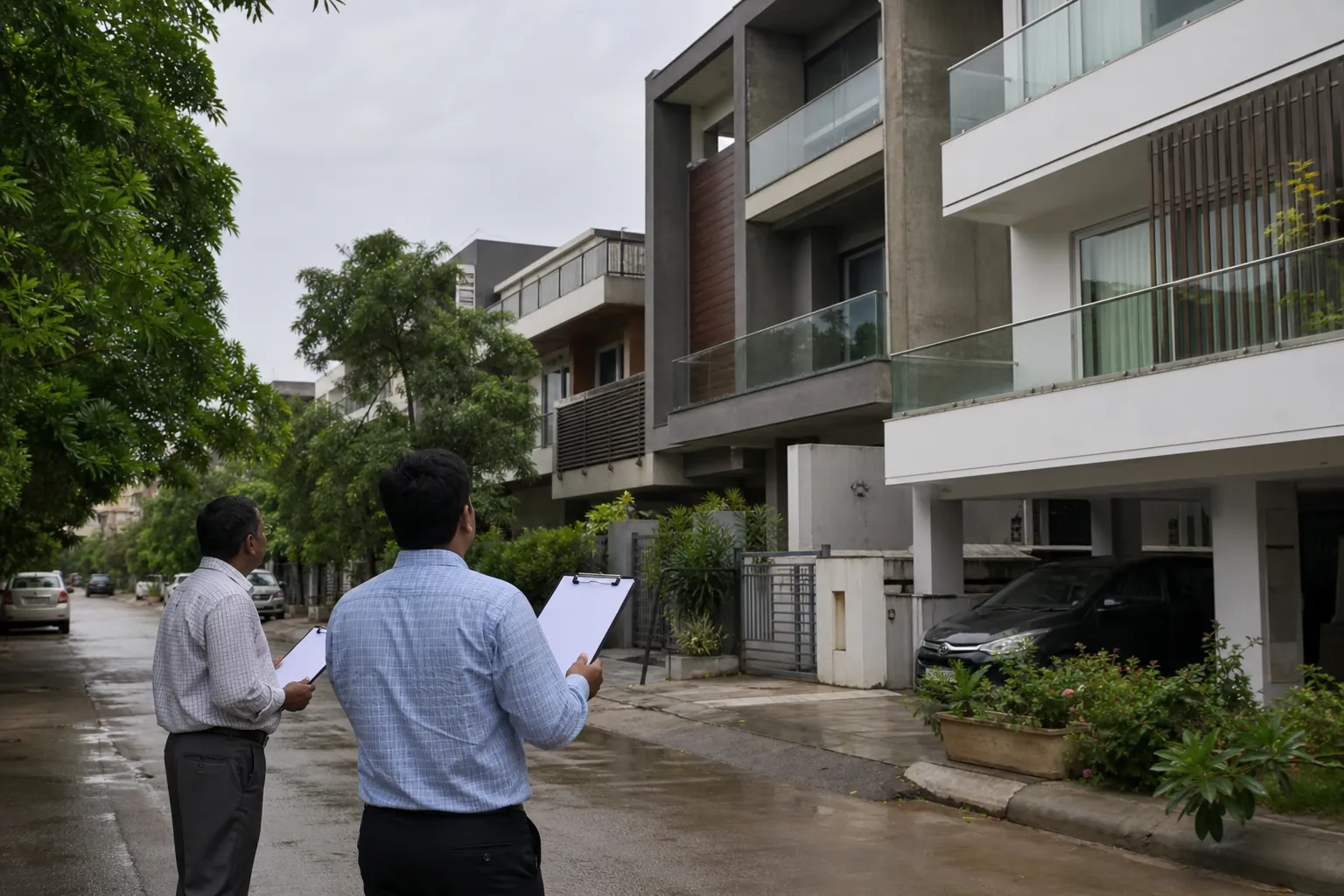
GURUGRAM: The enforcement wing of the Department of Town and Country Planning has served notices on 688 properties across five licensed colonies, widening its examination of building-plan violations and commercial activity inside residential premises. The properties are in Sushant Lok 1, Greenwood City, Ardee City, South City 1 and Vipul World.
Officials said the notices followed a three-day survey. The alleged violations fall into two broad groups: businesses such as guest houses, paying-guest accommodation, salons, gyms and property offices operating from residential plots, and construction that does not match sanctioned plans or occupation-certificate conditions.
Notice comes before coercive action
A notice is not the same as sealing or demolition. It gives the property owner an opportunity to respond, produce approvals, dispute the survey finding or remove a curable violation. DTCP officials said stronger action would be considered if satisfactory replies are not received. That sequence is important for residents who may otherwise read the exercise as an immediate closure order.
The department reported commercial activity in 100 houses across blocks A, B and C of Sushant Lok 1, 15 houses each in Ardee City and Greenwood City, and 30 in South City. Separate building-related observations were recorded in Sushant Lok 1, Ardee City, South City 1, Greenwood City and Vipul World.
Stilt parking under scrutiny
One recurring issue is the conversion of stilt parking into rooms. Such construction reduces on-plot parking and pushes vehicles onto colony roads, where emergency access and everyday movement are already tight. It can also alter a building beyond the approved plan. At the same time, each property needs to be assessed against its own sanction and documents rather than presumed non-compliant because a nearby house has been modified.
Officials said demolition charges may be recovered where the department has to remove unauthorised construction, with an indicated charge of Rs 12,500 per house. Any recovery and coercive action should be backed by a recorded site finding, service of notice and an opportunity to respond.
Colonies need a clear compliance route
Large notice drives often reveal a second problem: residents may not know whether a modification can be regularised, whether mixed use is permitted on a particular street or which document controls an older structure. DTCP should make the reply process, hearing dates and applicable rules easy to access, while colony associations can help owners gather sanctioned plans and occupation certificates.
The scale of 688 notices makes consistency essential. Similar violations should receive similar treatment, and compliant owners should be cleared without avoidable delay. For Gurugram's plotted colonies, enforcement will carry public confidence only when it combines firm action with a transparent, property-specific hearing process.
Sources and reporting
Based on enforcement figures released by the Department of Town and Country Planning on 14 August 2026 after a three-day survey of five licensed Gurugram colonies.
Related Stories

Two Held for Alleged Bid to Run Over Men

Retired HSVP Officer Surrenders in SCO Plot Case

Cops Warn Weekend Bikers After Recent Crashes
HT Pole Still Blocks Road Between Sectors 102, 102A

HSVP Plans Single City Office in Sector 16