Delhi Tables School-Fee Order Setting Deadlines for Parent Committees and 2026-27 Fee Fixing
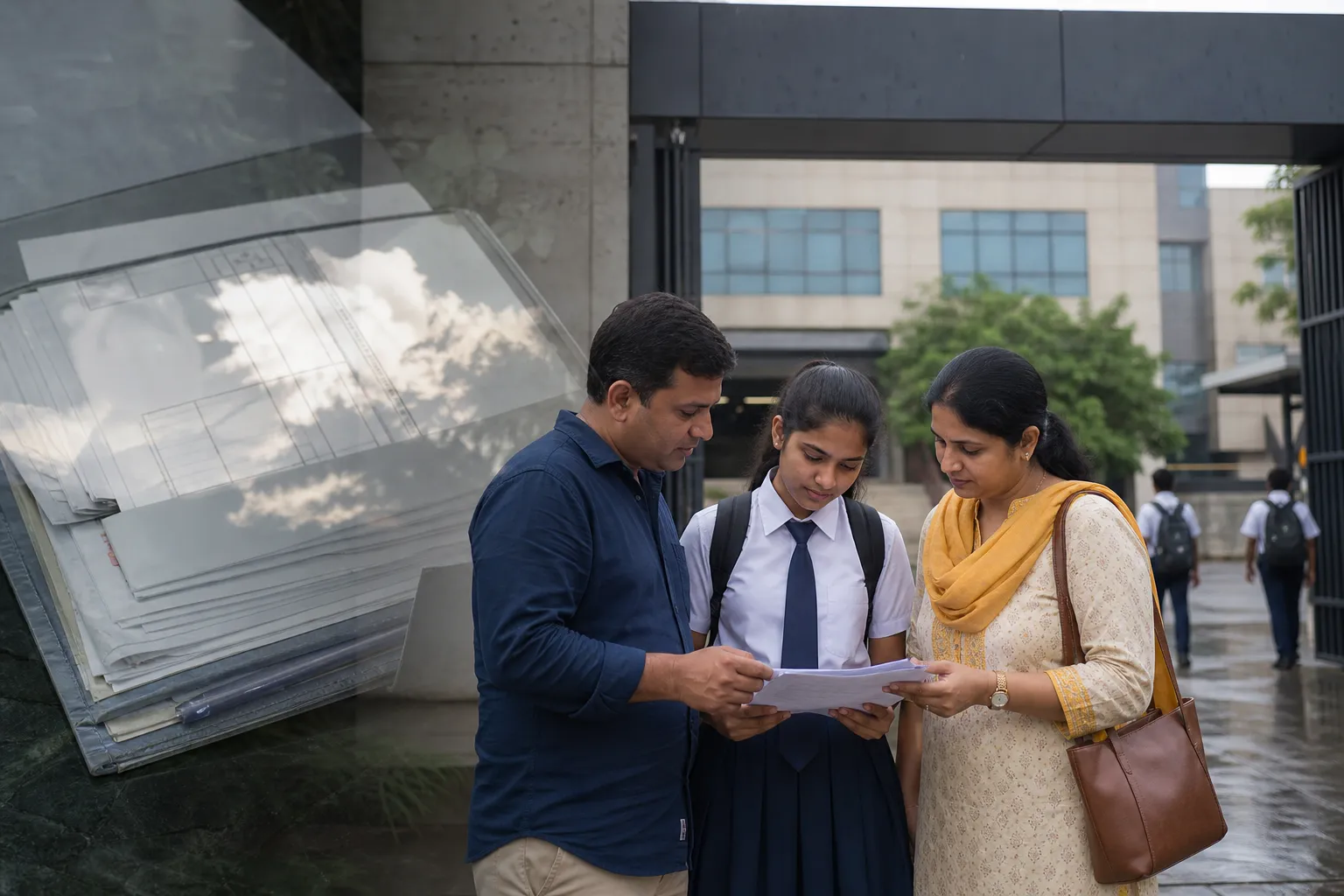
Delhi placed a school-fee implementation order before the Legislative Assembly on Friday, bringing a previously notified framework into the current Monsoon Session and putting fresh attention on the deadlines private unaided schools must follow for the 2026-27 fee cycle.
The Delhi School Education (Removal of Difficulties) Order, 2026 was notified in the official Gazette on February 1. The new development on August 7 was its tabling in the Assembly, not the creation of a new order. That distinction matters: the document has existed for months, while Friday's legislative step formally put the implementation instrument before lawmakers.
The Delhi school fee order is meant to resolve operational questions under the Delhi School Education (Transparency in Fixation and Regulation of Fees) Act, 2025. Its most immediate effect is a timetable for school-level and district-level scrutiny rather than a single government-set fee for every institution.
Under the order, each covered school is required to form a School-Level Fee Regulation Committee, or SLFRC, for the three-year block beginning with the 2026-27 academic session. The school management must submit its proposed fee to that committee within 14 days of the committee's constitution. The Directorate of Education, meanwhile, is required to establish District Fee Appellate Committees within 30 days of the Gazette notification.
The school committee is designed to include management, teacher and parent participation. The deadlines therefore make representation more than a general promise: they connect the committee's formation to the formal review of a school's proposal. Committees constituted under an earlier December 24 notification remain valid, avoiding the need to restart bodies that were already created.
For families, the central question is what a school may charge while the new process runs. The order says a school cannot collect fees above the level applicable on April 1, 2025 until the next fee block is fixed under the Act. It also says disputes over fees already alleged to be excessive remain subject to outcomes in court proceedings. Parents should therefore read the freeze provision together with any case-specific judicial order affecting their school.
The measure does not mean that all fee disputes have been finally resolved. The underlying law and its implementation have been contested in the Delhi High Court and the Supreme Court. Litigation can affect how particular clauses operate, and the tabling of the order does not erase those pending questions.
Schools now have a compliance task as well as a communication task. Managements should be able to show when their committee was constituted, who represents each stakeholder group, when the fee proposal was filed and how parents can access the relevant process. A fee circular without that context would leave families unable to test whether the statutory sequence was followed.
Parents, for their part, should preserve notices, receipts and the fee schedule that applied on April 1, 2025. If a school seeks a higher amount, the date and basis of the demand will be important. Complaints should identify the institution, class, fee head, earlier amount and new amount rather than relying only on a general allegation.
Friday's Assembly step is therefore best understood as an implementation milestone. It does not announce a uniform fee or promise an immediate refund. It does, however, place a time-bound committee and appeal structure at the centre of Delhi's attempt to make private-school fee decisions more transparent and reviewable.
Sources and reporting
Delhi School Education (Removal of Difficulties) Order, 2026, notified in the Gazette on 1 February 2026; its tabling in the Delhi Assembly on 7 August 2026, reported by The Indian Express.
Related Stories

Infant screen time linked to brain network changes and teen anxiety in Singapore cohort study
CAG Flags Rs 949 Cr HSPCB Sewage Gap

HHRC Orders Citywide Drainage Audit
MCG Fines 32 Shopkeepers Rs 91,500

MCG Contractors Allege Bribes After Arrest