A dead ball in cricket is a ball that is no longer in play for that delivery. Under MCC's 2026 laws, it can become dead through an ordinary event, such as a boundary or dismissal, or through an umpire's intervention. A dead ball does not always mean an extra delivery: whether it counts in the over depends on why and when play stopped.
The current wording also answers a common misunderstanding about possession. A ball can be finally settled in the hands of any fielder, or while stationary on the ground, if the bowler's end umpire determines it is no longer in play. It does not have to return to the bowler or wicketkeeper first.
| Situation | Basic position |
|---|---|
| A boundary is scored | The ball becomes dead |
| A no ball or wide is called | The call alone does not make it dead |
| A fielder holds the ball | The umpire must determine whether it is finally settled |
| The striker never had an opportunity to play it | Generally it will not count, subject to the readiness rule |
When is the ball dead in cricket?
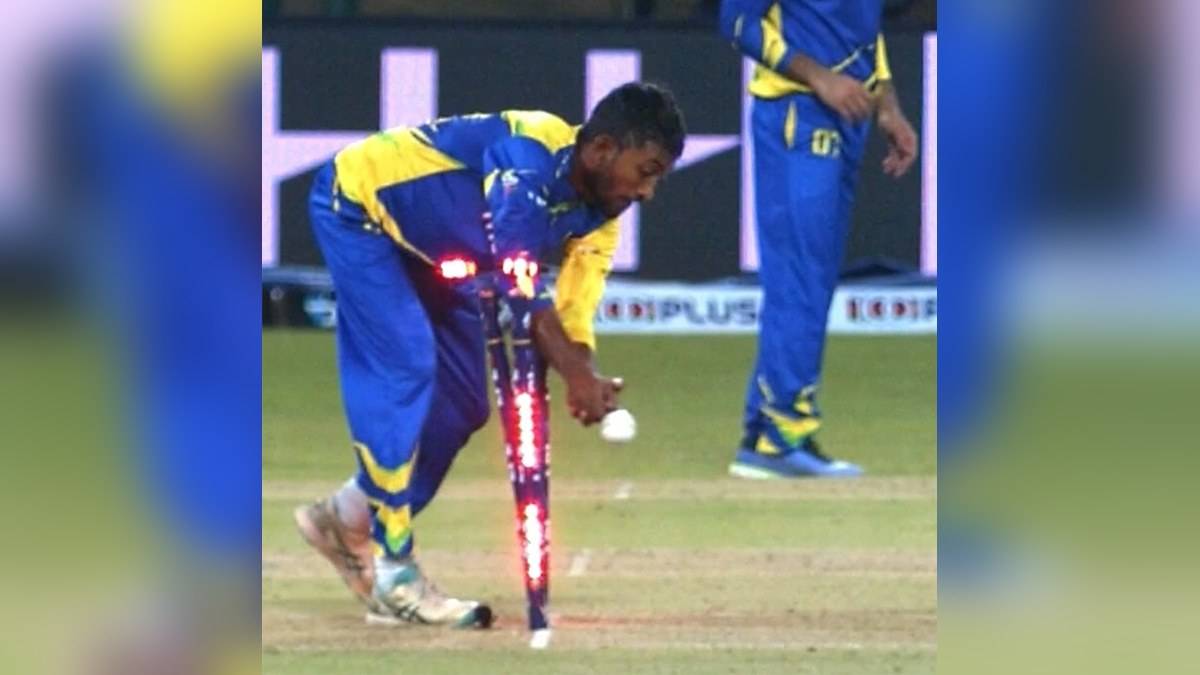
Law 20 in MCC's 2026 edition of the Laws of Cricket lists the principal situations. A boundary ends the delivery, as does a batter's dismissal. For a dismissal, the ball is treated as dead from the incident causing it, rather than from the later moment when a decision is announced.
Other automatic situations include the ball becoming trapped between a batter's bat and person, becoming lodged in a batter's clothing or equipment, or lodging in an umpire's clothing. The law also identifies particular fielding offences and the conclusion of the match. These are defined events, rather than a general permission for players to decide that a delivery is over.
Under Law 20.1.2, final settlement requires the ball to be held by a fielder or stationary on the ground, together with the umpire's determination that it is no longer in play. Law 20.2 reserves that judgement to the umpire. A keeper collecting the ball therefore does not create a universal automatic stopping point for every situation.
A hypothetical keeper who receives a delivery and immediately attempts a dismissal illustrates the distinction. Possession and the end of play are separate questions. Likewise, a batter walking away after assuming that an over has ended should not be used as proof that the ball was already dead. Law 20.3 requires the ball to be dead before Over or Time is called.
When does an umpire call dead ball?
Either umpire must intervene in the circumstances specified by Law 20.4. These include a possibly serious injury to a player or umpire, certain unfair-play situations and the bowler accidentally dropping the ball before delivery. If the ball in play cannot be recovered, the umpire also calls and signals dead ball.
The readiness provision is more precise than simply putting up a hand. The striker must not be ready, must make no attempt to play the delivered ball, and must have an adequate reason accepted by the umpire for the delivery not to count under that provision. Without the required combination, the ball is a valid delivery for the over.
Distraction is another defined ground for intervention. Law 20.4.2.6 covers noise, movement or another distraction while the striker prepares to receive or receives a delivery, whether the source is within the match or outside it. That delivery does not count. Deliberate distraction is addressed through additional unfair-play provisions, so it should not be treated as a harmless interruption.
Outside interference also requires judgement. If a person, animal or object within the field disadvantages either side, the umpire can stop play. However, where both umpires consider that the ball would have reached the boundary regardless of the intervention, the boundary should stand. The presence of an animal on the field does not by itself answer every scoring question.
Does a dead ball count in the over?
Law 20.7 provides the main test. If the striker has not had an opportunity to play a delivered ball, it generally does not count. If the striker has had that opportunity, it generally counts unless it is a no ball, a wide, or one of the expressly listed exceptions, such as the distraction provision. The special readiness conditions still apply.
This explains why a routine boundary does not create another delivery merely because the ball becomes dead. The striker received a valid opportunity to play it. Conversely, an interruption before that opportunity can require a replacement delivery. The reason for the stoppage must be identified before deciding what happens to the over.
A no ball call does not itself stop play, and neither does a wide call. For the separate delivery rules, read our no ball explainer, wide ball guide and free hit rules.
When does the next ball become live?
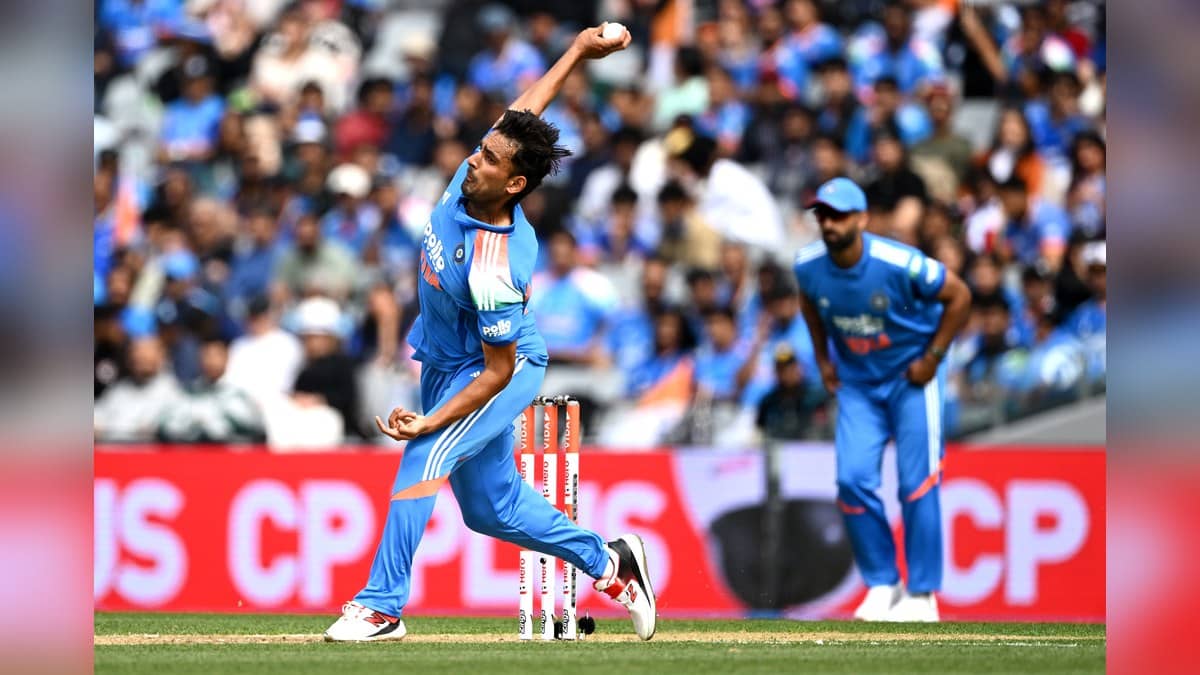
The ball comes into play when the bowler starts the run-up, or the bowling action if there is no run-up. Once a delivery is dead, reversing a decision cannot bring that same delivery back to life. MCC's Laws information page also distinguishes the general laws from competition playing conditions, which may introduce additional regulations for a particular match.