Congress Workers Recite Hanuman Chalisa in Varanasi, Demand Impartial Offering-Theft Probe
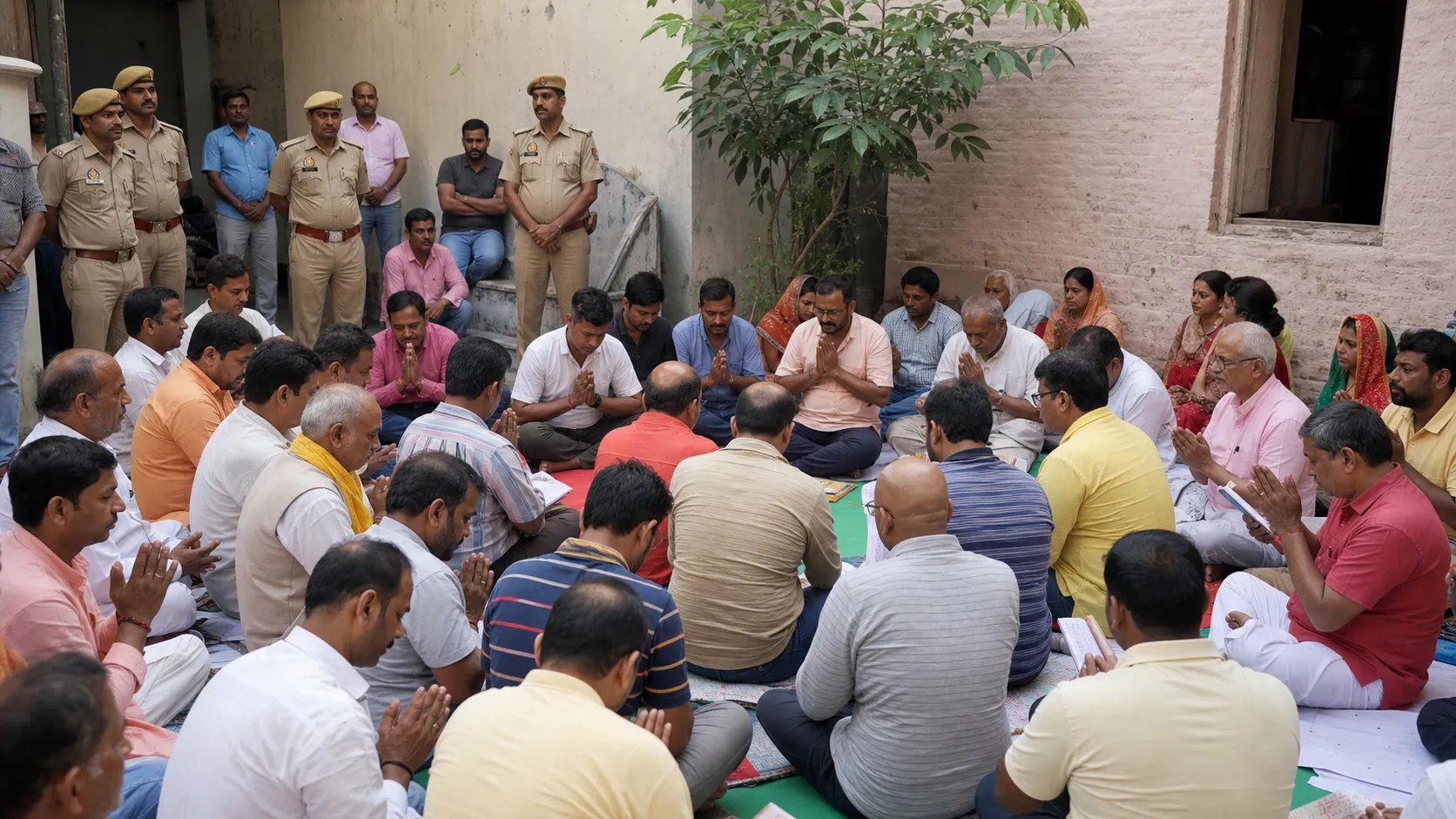
Congress workers in Varanasi used a religious recitation as political protest on Tuesday, gathering for a collective Hanuman Chalisa while demanding what they described as an impartial investigation into an alleged theft of offerings.
The programme combined prayer, symbolism and a public allegation. Participants said the matter involved the handling of religious offerings and argued that an inquiry should identify responsibility without favour. Their demand does not itself prove that a theft occurred or establish the role of any individual; those questions require evidence and a lawful investigation.
Religious-offering cases are especially sensitive because they involve more than the monetary value of cash or objects. Devotees contribute in trust, often without expecting a personal receipt or direct benefit. Any suspicion about collection, storage or accounting can therefore spread quickly and damage confidence in an institution even before facts are settled.
That is why an impartial probe needs a clear method. Investigators should secure available CCTV footage, donation registers, inventory records, access logs and statements from people responsible for receiving or safeguarding offerings. If sealed containers or counted valuables are involved, the chain of custody must show who handled them and when.
The political nature of the protest makes careful language even more important. Parties are entitled to demand accountability and organise peacefully, but allegations should not be converted into verdicts from a microphone. The authority conducting the inquiry must be able to test claims from all sides and publish a factual conclusion.
The choice of Hanuman Chalisa as the protest form was intended to underline the religious character of the issue. In Varanasi, where faith is part of public life, such symbolism attracts attention quickly. It can also raise the temperature if rival groups treat a financial or administrative question as a contest over devotion.
Police and local administrators therefore have two responsibilities: protect peaceful expression and prevent unverified claims from producing intimidation. Organisers, for their part, should keep the focus on records, procedure and accountability.
The broader lesson extends to every institution that receives public offerings. Transparent counting, camera coverage, dual-control access, regular audits and published summaries can prevent suspicion from growing. Trust is easier to protect through routine systems than to rebuild after a controversy.
Tuesday’s recitation has put the demand into the public arena. The next meaningful development will not be another slogan; it will be a documented investigative step. If authorities state what is being examined, preserve the relevant records and report their findings, the dispute can be judged on evidence. Until then, the alleged theft remains an allegation, and the demand for an impartial probe remains a political and civic claim—not proof of guilt.
Sources and reporting
Based on the collective Hanuman Chalisa programme held by Congress workers in Varanasi and reported on 4 August 2026. The alleged theft of offerings has not been established by a court; the report distinguishes the protest demand from proven fact.
Related Stories
BHU: Below 4.0 CGPA Will Cost Hostel and Health Facilities
Sewer and Water Pipeline Work Starts in Four Wards Under CCTV Watch

BHU Issues 69-Page PhD Bulletin for About 1,500 Seats in Three Modes

Lolark Shashthi Draws Long Queues at Bhadaini’s Lolark Kund
Ganga Level Keeps Falling; Silt Clearing Starts as Boat Ban Holds