
Chiraigaon Workshop Focuses on Strengthening Panchayat Revenue
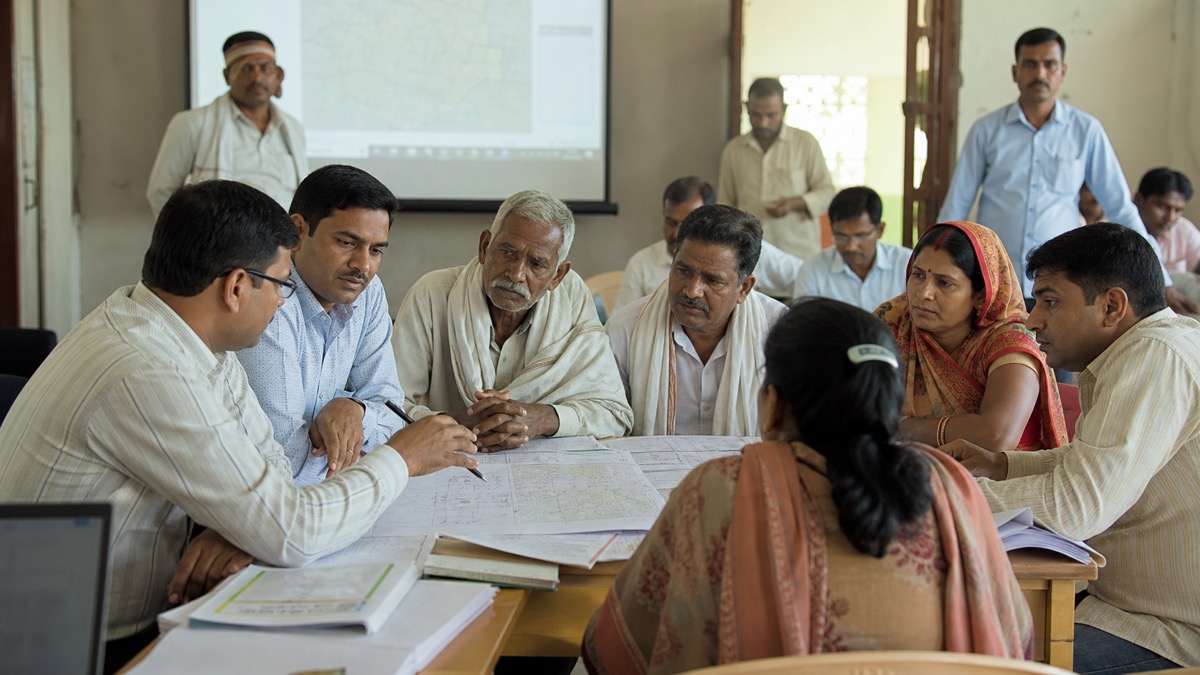
Varanasi: Panchayat representatives and local officials in Chiraigaon have taken part in a training programme aimed at strengthening village-level revenue. The session focused on a basic but often neglected part of rural governance: how gram panchayats can maintain accurate records, collect lawful local dues and plan services with money they can reliably account for.
Most village bodies depend heavily on grants tied to specific schemes. Those funds are essential, but they may not cover small, recurring needs such as repairing a drain, maintaining a public light or cleaning a community space. Own-source revenue gives a panchayat limited flexibility, provided charges are legal, transparent and proportionate to local conditions.
Possible sources can include fees for certain certificates or facilities, rent from panchayat assets and other levies authorised under state rules. The purpose is not to burden rural households with arbitrary collections. In fact, weak record-keeping can create exactly that risk. A public rate list, numbered receipts and updated registers protect residents as much as they strengthen the institution.
Training also matters because elected representatives change, while financial procedures can be technical. A newly elected pradhan or member may understand the village’s priorities but not the accounting format, digital portal or audit requirement. Block-level staff must therefore provide continuing support rather than a one-time lecture. Practical exercises using real registers are more useful than presentations filled with unexplained terminology.
Revenue credibility depends on what people see in return. Residents are more willing to pay a legitimate fee when collections are displayed and linked to visible work. Monthly disclosure on the panchayat wall, discussion in the gram sabha and a simple statement of opening balance, receipts and expenditure can build that connection. It can also expose assets that are occupied, underused or generating income without reaching the official account.
The Chiraigaon workshop will be judged by follow-through: corrected asset registers, digital entries made on time, fewer audit objections and local projects completed transparently. Financial autonomy is not the same as financial secrecy. The strongest panchayat is one that can raise a reasonable share of its resources while allowing every resident to see where the money came from and where it went.
Each participating panchayat could leave the programme with a ninety-day action list: verify assets, reconcile the cashbook, display approved fees and place the figures before the gram sabha. Block officials should review progress against that list. Training becomes governance only when the entries, receipts and public disclosures improve after participants return home.
Sources and reporting
Based on local development reporting published on 14 August 2026 about a Chiraigaon training session on panchayat revenue. The article explains standard own-source revenue principles without asserting unpublished targets.
Related Stories

Ramnagar Day Three Follows Vishwamitra Into the Forest and Mithila

Shivpur Ramlila Stages Narad Moh and Kshirsagar Tableau Through Rain
VMC Puts City on Alert for Navratri and Durga Puja Civic Arrangements

Chowk Becomes Varanasi's First Police Station With ISO 9001 Certificate

World Tourism Day: Guides Welcome Visitors; Namami Gange Cleans Namo Ghat