
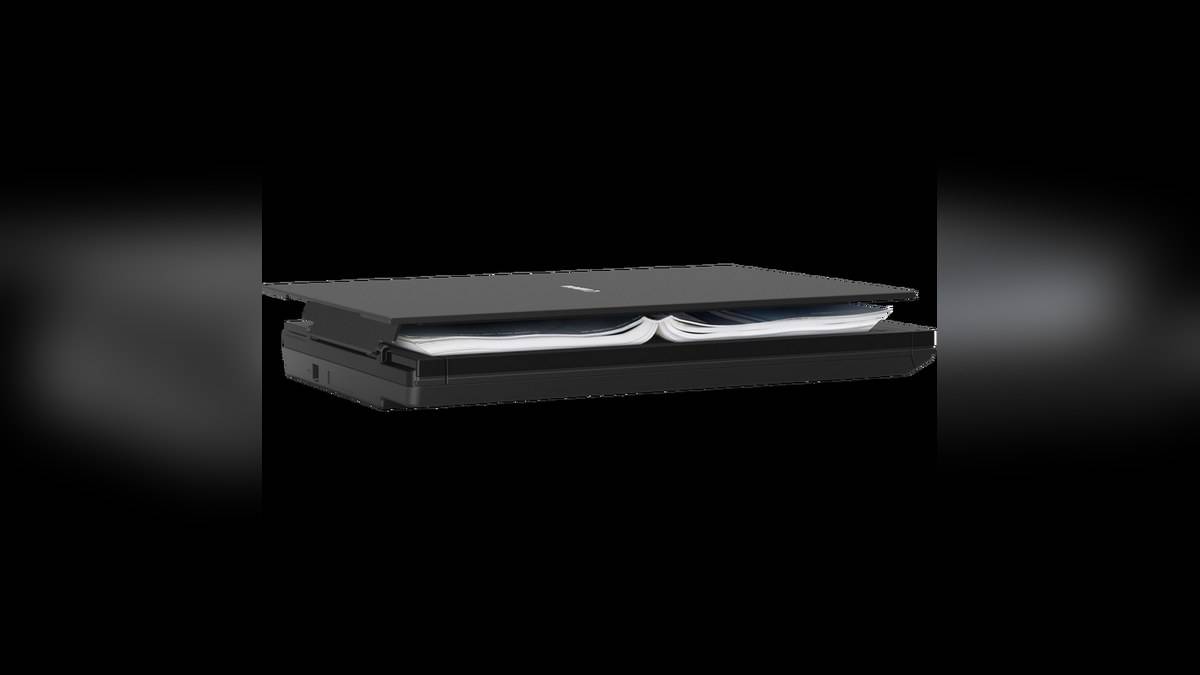
NEW DELHI: Canon lists the LiDE 300 scanner at Rs 5,295 and the LiDE 400 at Rs 6,795 in India, inclusive of taxes. The Rs 1,500 step brings higher optical resolution, a different USB connector and upright operation. Both are dedicated flatbed scanners for documents and photographs, rather than printers with scanning added.
| Specification | LiDE 300 | LiDE 400 |
|---|---|---|
| India MRP | Rs 5,295 | Rs 6,795 |
| Optical resolution | 2,400 x 2,400 dpi | 4,800 x 4,800 dpi |
| A4 colour scan at 300 dpi | Approximately 10 seconds | Approximately 8 seconds |
| EZ buttons | 4 | 5 |
| Scanner interface | USB 2.0 Hi-Speed Mini-B | USB 2.0 Hi-Speed Type-C |
| India standard warranty | 1 year, carry-in | 1 year, carry-in |
Price as of 28 November 2026, 18:29 IST. Source: Canon India's LiDE 300 and LiDE 400 specification pages, reopened on the reporting date. The figures are maximum retail prices. They do not establish a dealer's transaction price or a temporary discount.
What the extra Rs 1,500 changes
The LiDE 400's higher optical resolution is its clearest specification difference. Canon distinguishes optical resolution from selectable software resolution, so those figures should not be mixed when comparing the models. The relevant table above uses the hardware optical values from the respective India pages, rather than presenting a software setting as a new level of captured detail.
Higher resolution is most relevant when the original contains detail that needs close inspection or enlargement. A household digitising printed forms has a different task from a designer preserving small photographs. Neither task is answered by choosing the largest number automatically. The useful starting point is the material being scanned and the intended use of the resulting file.
Speed also needs its stated conditions. Canon's approximate scan times relate to an A4 colour document at the specified resolution. They are not an end-to-end promise for opening software, placing the original, saving the file and preparing the next page. For occasional documents, handling the original can matter more to the workflow than the headline difference between the two machines.
Desk space and cables create another distinction
Canon explicitly lists upright scanning for the LiDE 400. Its Type-C interface also changes the connection at the scanner. The LiDE 300 uses Mini-B. Both obtain power and transfer data through USB, avoiding a separate AC adapter. That is a useful combination for a laptop desk where sockets and space are already occupied by a charger and other equipment.
The LiDE 300's four EZ buttons cover PDF, Auto Scan, Copy and Send. The LiDE 400 has five, with additional PDF control. These physical controls can simplify a repeated scanning routine, although the actual result still depends on the connected computer and the software settings selected for the job.
Both models use Canon's Advanced Z-lid arrangement, which can rise parallel to the scanning surface for thicker originals. That is relevant when the original is a bound document or book rather than a loose sheet. It is still a flatbed workflow: someone must position the material, check alignment and prepare the next scan. Upright operation should likewise be considered around the originals that will actually be used.
A separate scanner can preserve an existing printer setup
The case for this pair is specific. A home office may already have a printer that handles its output well, while needing a better organised way to digitise papers or photographs. Adding a LiDE keeps capture and printing as separate tasks. It also avoids treating a printer replacement as the only route to adding a scanning surface.
For comparison with combined devices, our Canon MF3010 and MF272dw guide covers multifunction laser equipment. The PIXMA G3770 guide looks at an ink-tank alternative, while the G4780 and G3780 comparison covers another combined printing and scanning choice. These are separate categories, not interchangeable accessories.
India warranty and software checks
Canon's India warranty schedule gives both LiDE models carry-in coverage for one year. Its terms require proof of purchase and describe carry-in service as taking the product to the authorised service location at the customer's expense. Coverage concerns manufacturing or workmanship defects, with exclusions including accidental damage and misuse. Keeping the invoice matters whichever scanner is selected.
The product tables include older operating-system names, so a current computer should be matched against Canon's support information as well as the hardware connector. Canon separately maintains a macOS compatibility notice. The practical comparison therefore has three parts: the originals to capture, the space available to operate the scanner and the software environment that will receive the files.
Official sources: Canon LiDE 300, Canon LiDE 400, Canon India warranty terms and Canon macOS support notice.