Intro
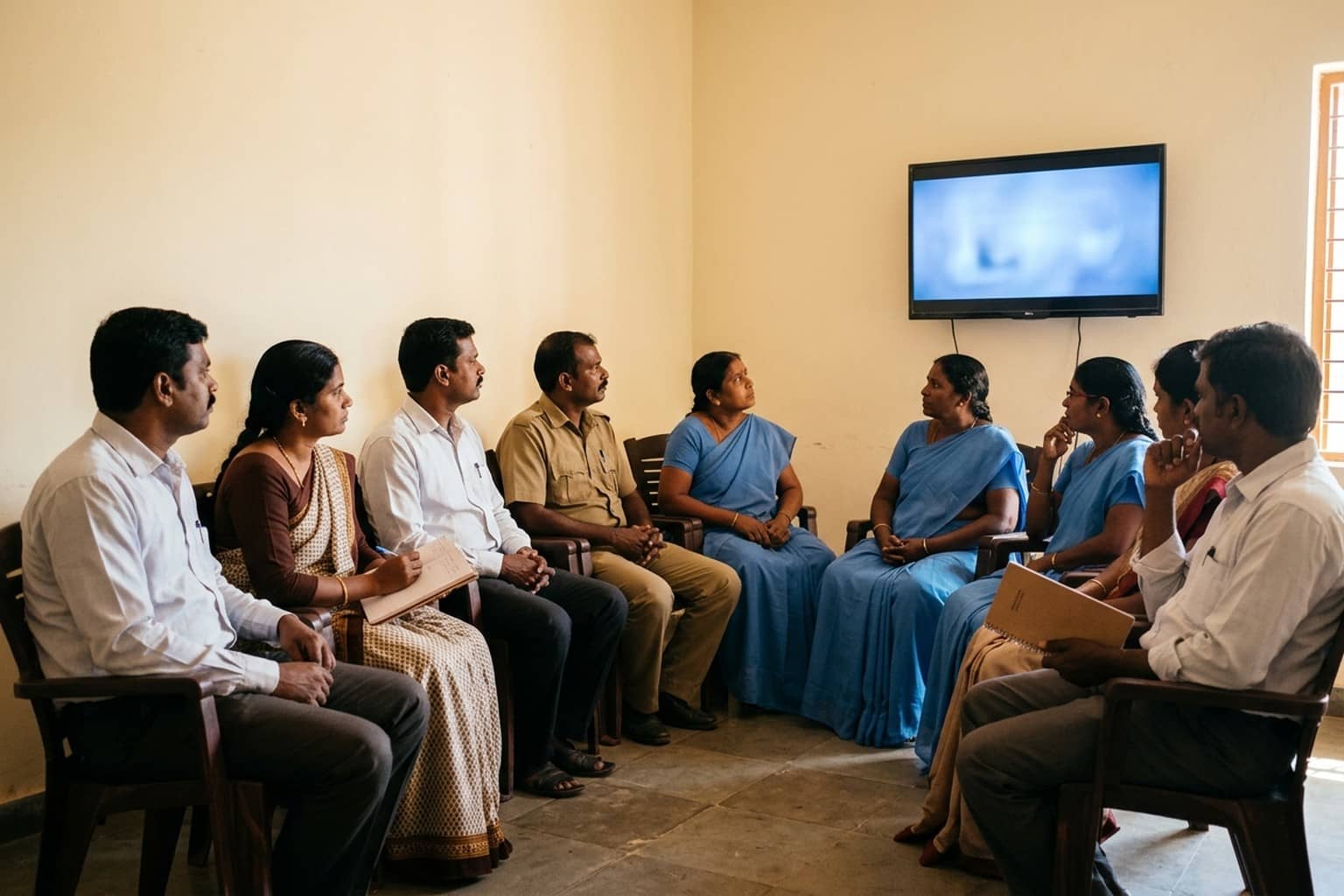
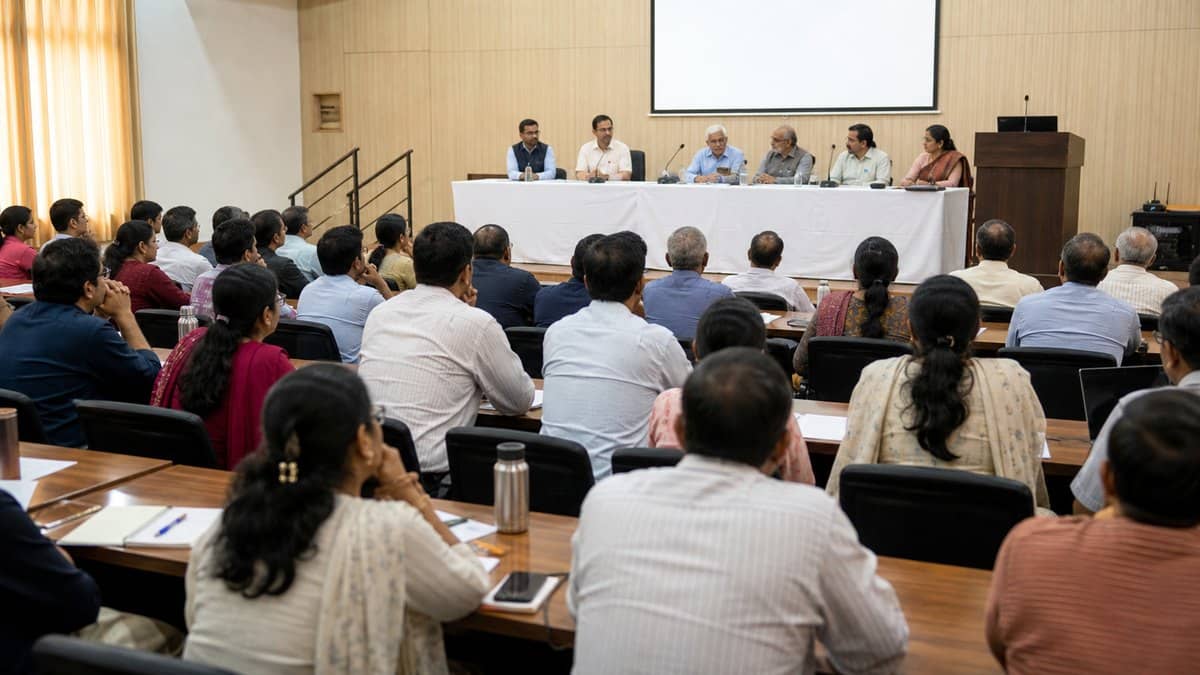
Varanasi, July 7, 2026: Banaras Hindu University hosted a two-day international conference on education reforms, NEP 2020, artificial intelligence and skills needed for the 21st century.
The conference was organised around the theme of reimagining education in the light of the legacy of Dr. Shyama Prasad Mukherjee and Loknayak Jayaprakash Narayan. The tone of the programme remained academic, with speakers discussing how Indian education can respond to new social and technological needs.
Key Details
The discussions focused on NEP 2020, ethical use of artificial intelligence, democratic values, skill development, teacher preparation and reforms that can make classrooms more relevant for young learners.
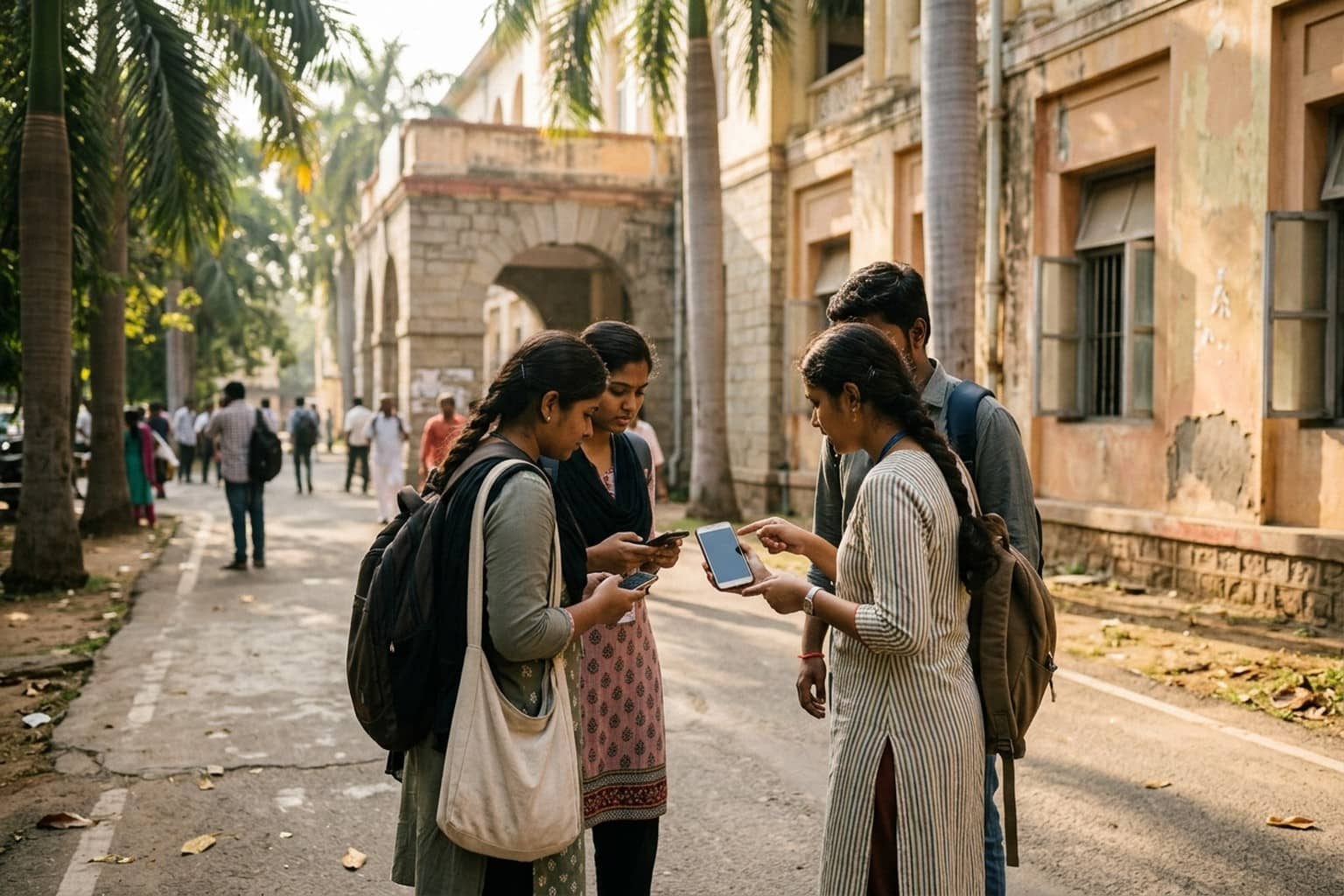
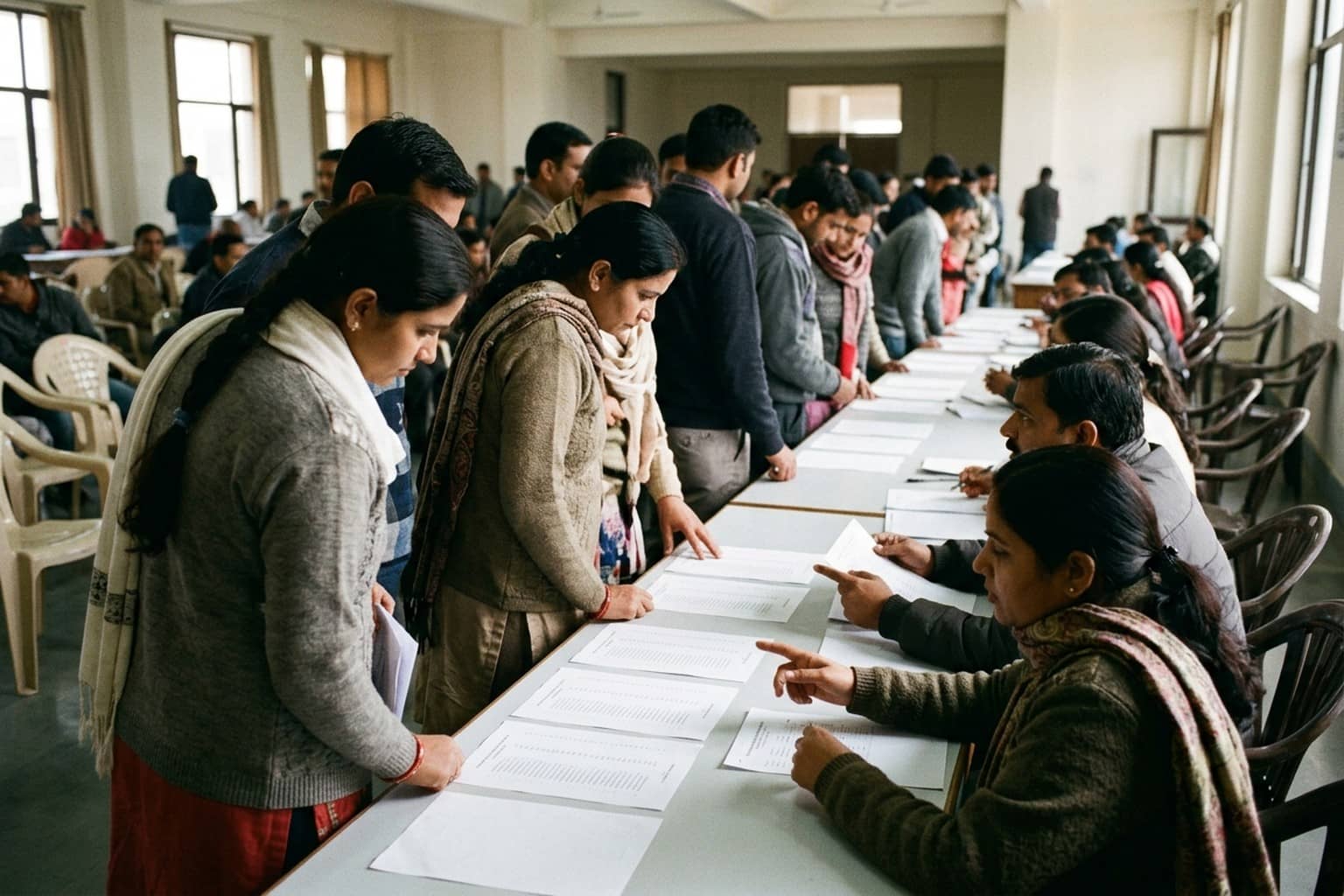
Educationists, scholars, policy thinkers, teachers and young researchers participated in the sessions. Speakers underlined that education cannot be limited to marks and degrees. It must also build character, social responsibility, critical thinking and the ability to work with new tools.
Artificial intelligence was one of the important talking points. Participants discussed how AI can support learning, research and administration, while also raising questions about fairness, privacy, ethics and the need for human judgment in education.
Local Impact
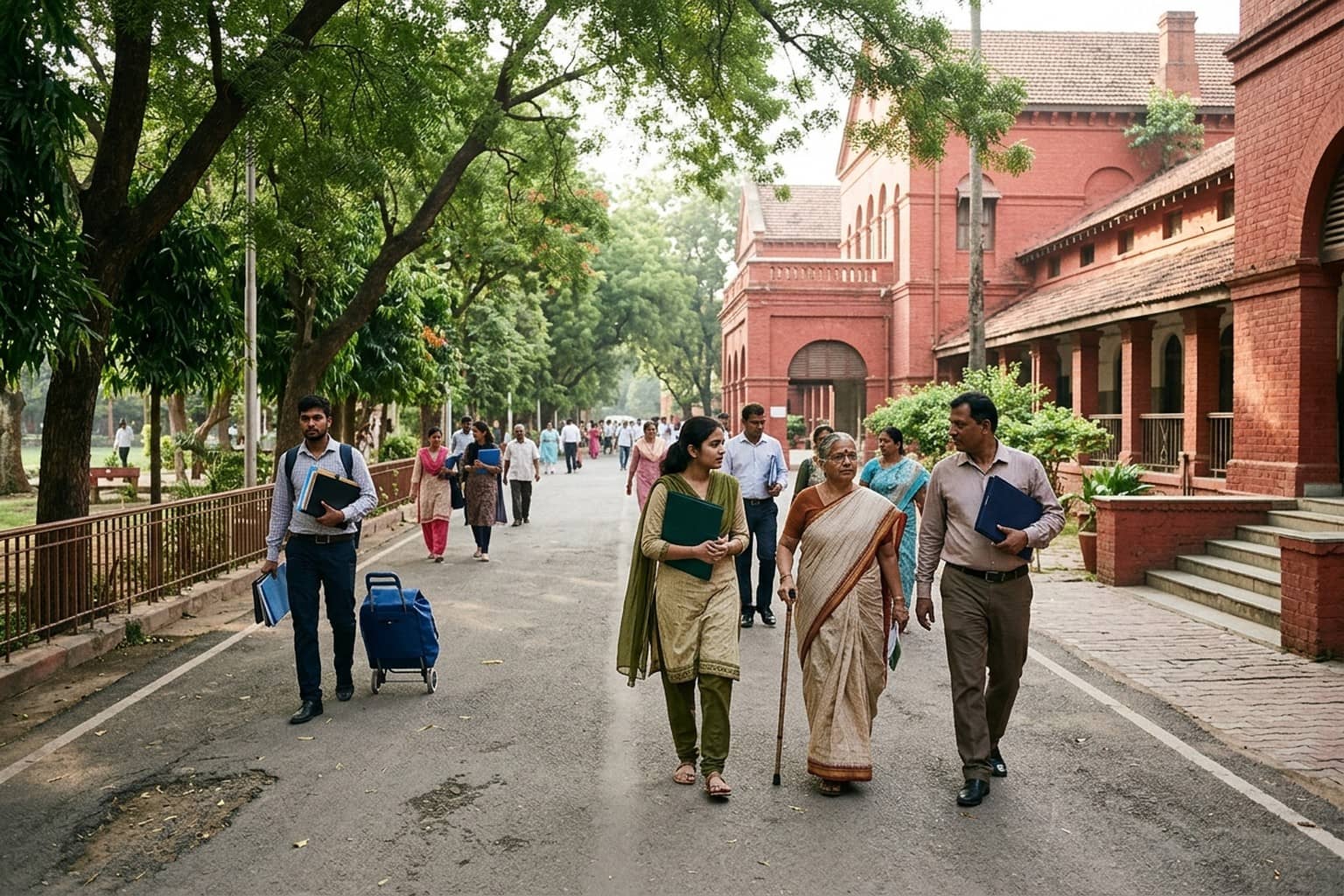
For Varanasi, the conference adds to BHU's role as a major academic centre in eastern Uttar Pradesh. Such programmes bring national and international academic conversations into the city and give students exposure to ideas beyond routine coursework.
The focus on 21st century skills is especially relevant for young people preparing for jobs, research and public service. Better curriculum design, stronger teacher training and ethical technology use can directly shape the future of students in the region.
What Happens Next
Ideas discussed during the conference may feed into further academic work, research collaborations and classroom-level conversations. Teachers and researchers are expected to continue discussions on how NEP goals can be implemented with practical steps, not just policy language.
The value of the conference will be judged by whether its discussions move into teaching practice, student mentoring, research design and better use of technology in departments.