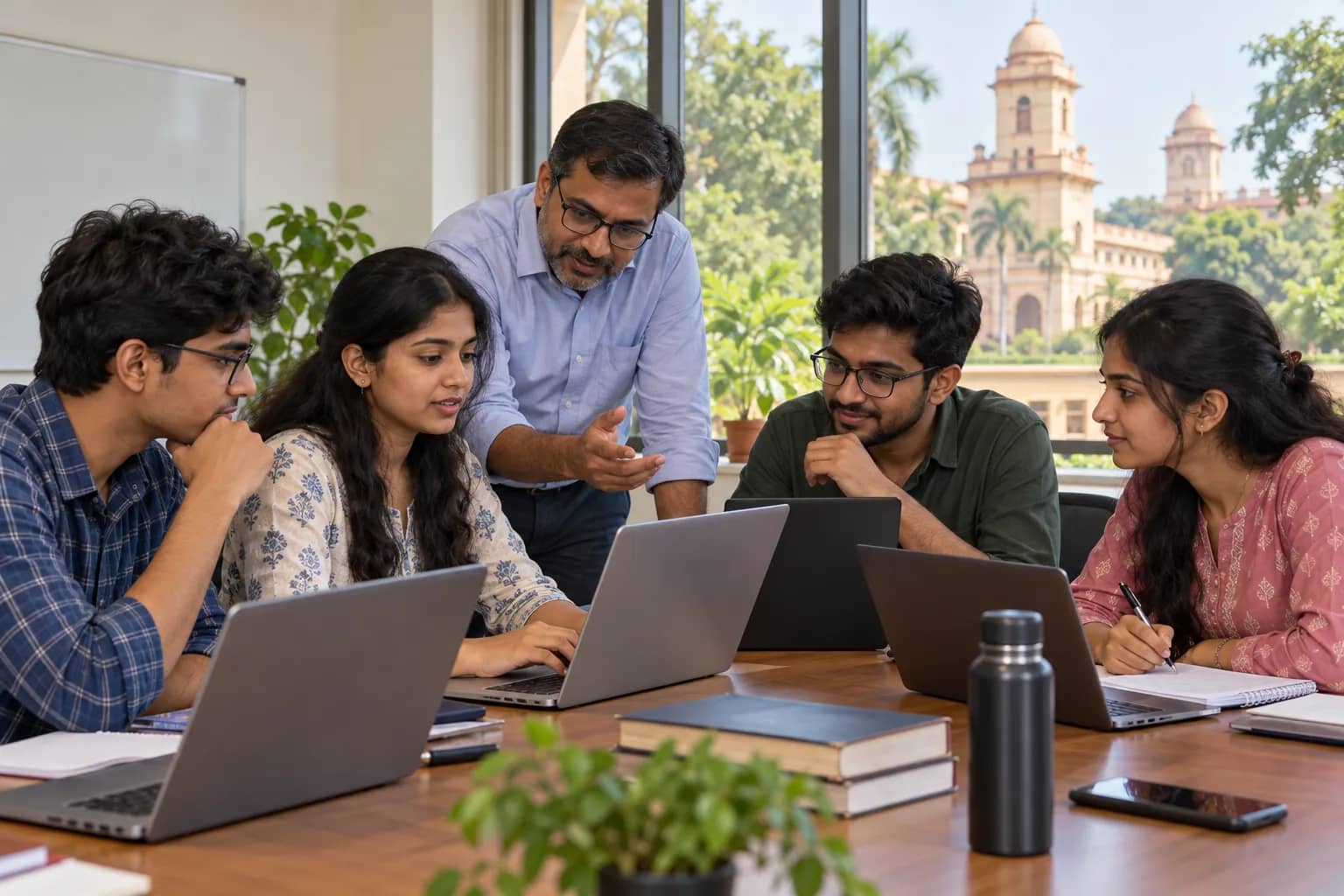
VARANASI: A Banaras Hindu University geneticist will represent India in the core group of an ambitious international project examining why Homo sapiens became the only surviving human species.
Professor Gyaneshwer Chaubey has joined the project as a partner investigator, following a three-day planning workshop in Australia. Griffith University is leading the seven-year study, which is scheduled to begin in January 2027 and carries a reported budget of 85 million dollars—roughly ₹800 crore at current conversion.
Scientists from 40 countries are expected to contribute, while a smaller core committee brings together researchers from Australia, India, China, Indonesia, South Africa, Kenya, Saudi Arabia and Sri Lanka. Chaubey is the only Indian representative named to that core group.
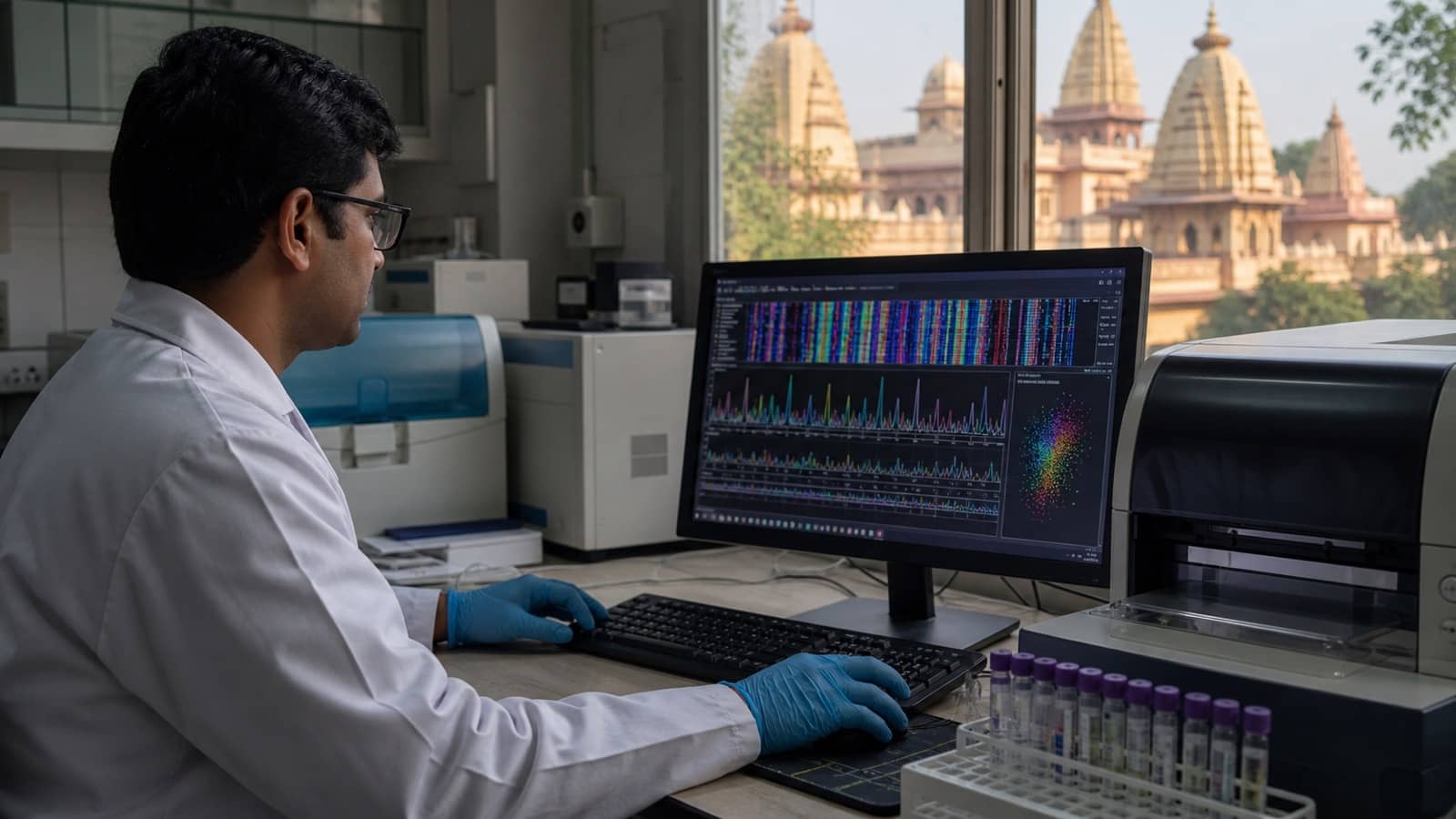
The research will combine population genetics, ancient DNA and demographic history to investigate how modern humans spread, mixed, adapted and survived while other human lineages disappeared. South Asia is central to that question. The region sits along major migration routes and contains extraordinary genetic diversity, but its ancient DNA record remains difficult to recover because heat and humidity degrade biological material.
BHU's contribution is expected to focus on South Asian populations, genomics and deep demographic history. That work does not mean assigning a simple genetic label to a modern community. Human populations have moved and mixed repeatedly, and responsible research must avoid turning statistical ancestry into claims about purity, identity or social hierarchy.
Large cross-border studies also require clear ethics. Sample collection should rest on informed consent, local communities should understand how material and data will be used, and researchers must address where genetic information is stored. Ancient remains raise additional questions involving archaeology departments, museums and descendant or culturally connected groups.
The workshop set the project's broad direction and divided responsibilities among collaborators. The next phase will be more exacting: common laboratory standards, compatible data systems, permissions and a publication framework that gives fair credit to teams supplying samples and field knowledge.
For BHU, the appointment places a Varanasi laboratory inside a global research network with an unusually long time horizon. The headline question—why Homo sapiens survived—is enormous, but the answers will be assembled from small pieces: a fragment of ancient DNA, a migration pattern, an archaeological date and a population history reconstructed across continents.
The project is not promising one dramatic discovery in 2027. It is building the infrastructure for seven years of comparative work. Varanasi's role will be to ensure that South Asia is not a blank space in that human story.