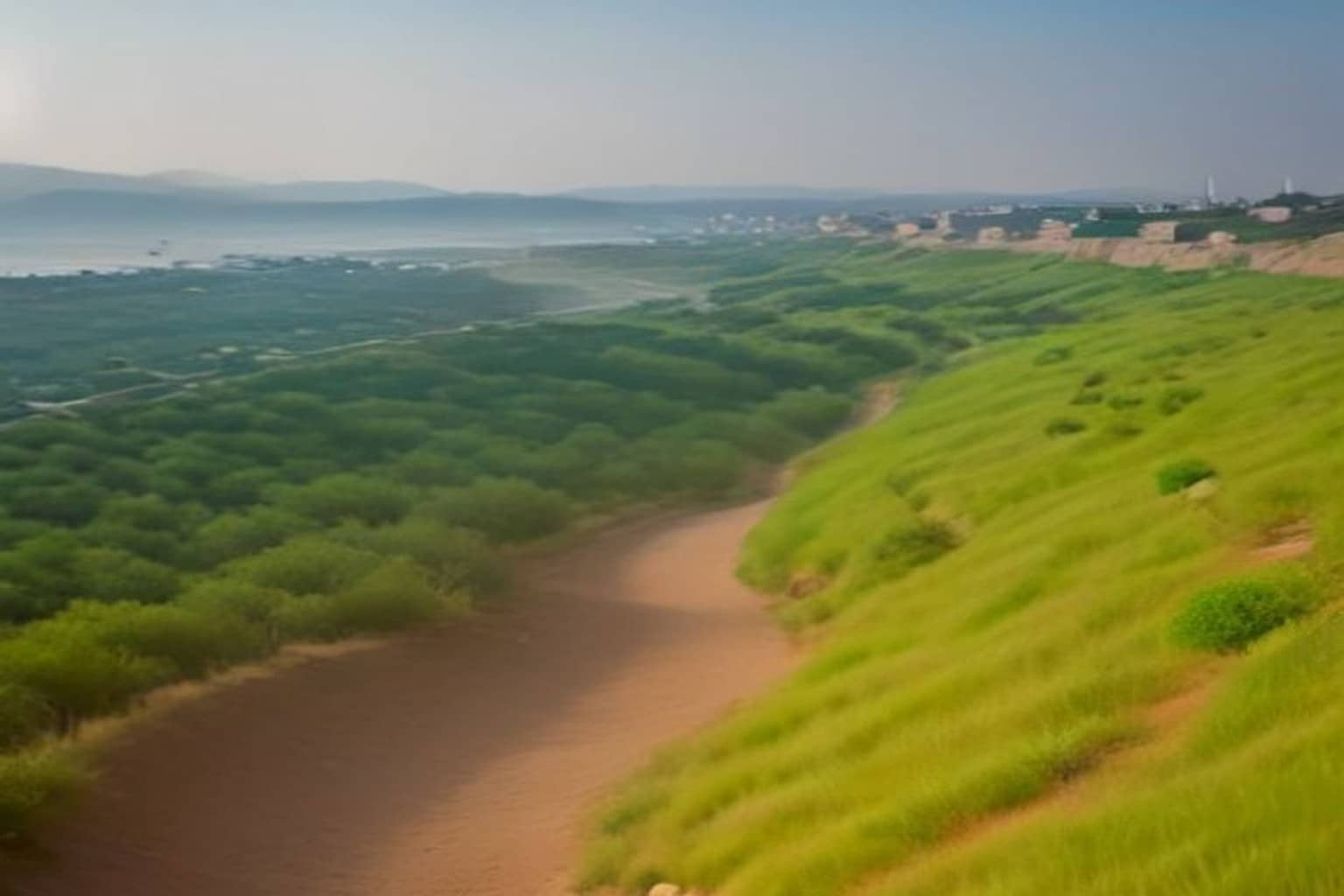

GURUGRAM: The Badshahpur Forest Corridor is one of the longer green walks in southern Gurugram, and it is easy to miss from the road. The citizens' group iamgurgaon, which led the restoration, describes it as a 5.6 km stretch that was once a dumping ground and a site of encroachments before it was turned into a green corridor for residents.
According to the group's project page, the work was done with support from the Gurugram Metropolitan Development Authority, the Municipal Corporation of Gurugram and partner companies. The page lists the project under 2016 and says it has since been handed over to the Municipal Corporation of Gurugram, which means the civic body is now responsible for its upkeep.
The page says the corridor now offers walking, cycling and jogging trails. For residents of the Sohna Road and Golf Course Extension Road sectors, that makes it a rare long stretch of shade in a part of the city where most walking happens on footpaths beside traffic.
The planting is native. The group says around 25,000 native saplings have been planted to build a self-sustaining forest habitat, and describes the corridor as a sanctuary for birds and animals, a barrier against noise and a carbon-absorbing zone.
The construction story is one of the more interesting parts of the page. Most of the materials used are recycled, including broken concrete blocks, fence frames, plastic and glass gabions. They were used to build seating and play areas, and the design changed as different waste materials became available.
The project reused more than 250 trucks of construction debris and waste, according to the page, and saved about 30 per cent in cost. Walkers will see the result in the benches and edges, which look rougher than the polished stone of a city park because they were built from what was at hand.
Water work, the drop-off point, and planning a visit
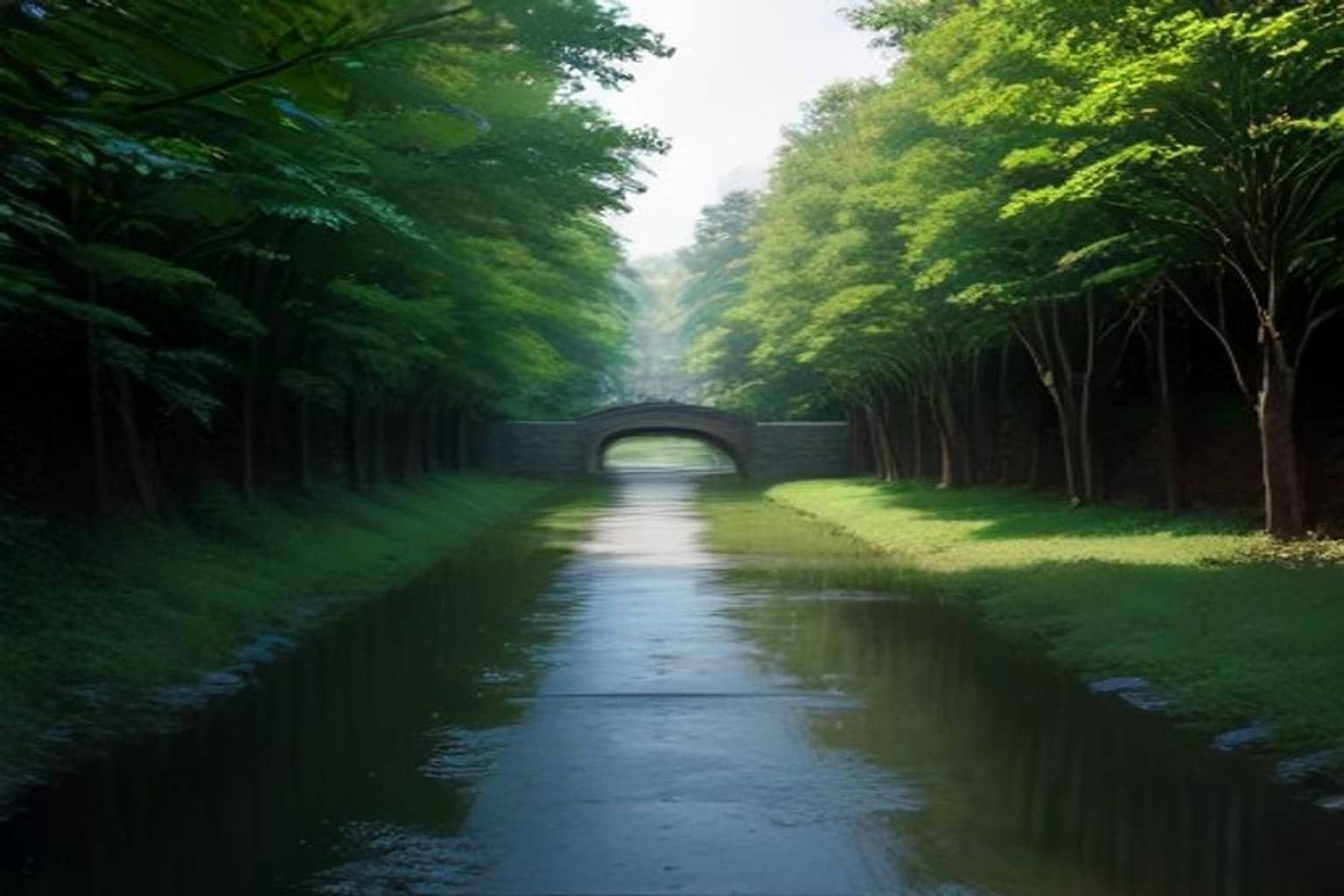
The group also revitalised the Badshahpur water recharge area along the corridor, building shallow mounds, bioswales and water channels to let rainwater sink into the ground. The page claims this resulted in 90 per cent groundwater recharge. Dalimss News has not independently measured that figure, and it is reported here as the group's own claim.
In practice, the water work means some parts of the corridor will look different after rain, with channels holding water and low areas staying damp for a while. In October, after the monsoon, that usually means greener edges and more birds, but also mud on unpaved sections.
The corridor is also home to two of iamgurgaon's dry waste drop points, known as Samadhaan Hub units. One is listed on the Badshahpur Forest Corridor on the South Peripheral Road, near Tatvam Villas, Dhani, in Sector 69, and the group's text also places a unit at the corridor's entrance in Badshahpur, Sector 72. A second page lists a Badshahpur unit at Sector 48.
These units accept paper, plastic, metal, e-waste, glass, clothes, and expired and non-expired medicines, according to the group, and are open every day except national holidays from 8 am to 5 pm. So a morning walk can double as a trip to clear out old newspapers or a dead phone charger, which is a practical reason to carry a bag.
What happens to the waste is spelled out on the same pages. It is sorted on site and passed to partner groups: reusable books and stationery go to Free Pathshala, soft plastic to Avacayam, e-waste to NAMO for refurbishing or dismantling, and clothes and toys to GOONJ. Festive waste such as flowers goes to Ananda Vrinda, which the group says turns it into Holi colours and incense sticks.
iamgurgaon lists Badshahpur among a run of projects it worked on in 2016, alongside the Chakkarpur Wazirabad Bundh, Sikanderpur Pahadi and the Ghata Bundh, with the Aravali Biodiversity Park listed under 2010. Badshahpur is one of the few on that list that has been handed over to the civic body as a finished corridor.
The project page does not publish gate timings, parking details or rules for cyclists. Treat it like any public green corridor: go in daylight, keep to marked paths, and expect that some sections may be shared by walkers, joggers and cyclists at the same time.
Because the location link on the page points to a map pin rather than a street address, first-time visitors should look up the pin before setting out and decide which end to enter from. If you are coming from Sector 69, the Sector 69 drop point is a useful landmark.
Families with young children can use the reused-material play areas the page mentions, but carry water and sun cover, since the page does not list drinking water points or toilets. Early morning is the most comfortable time in October, before the sun gets strong.
Dalimss News has covered two other iamgurgaon restorations as visit guides: the Chakkarpur Wazirabad Bundh walk in central Gurugram and the Aravali Biodiversity Park near MG Road. Together with Badshahpur they make a fair three-weekend plan for anyone trying to walk more of the city's restored land.
This feature relies only on iamgurgaon's own pages and does not assess the corridor's current condition. Any upkeep issue should be raised with the Municipal Corporation of Gurugram, which now manages the site, according to the group.
Dalimss News did not receive payment or any other consideration for this article. It is independent editorial coverage.