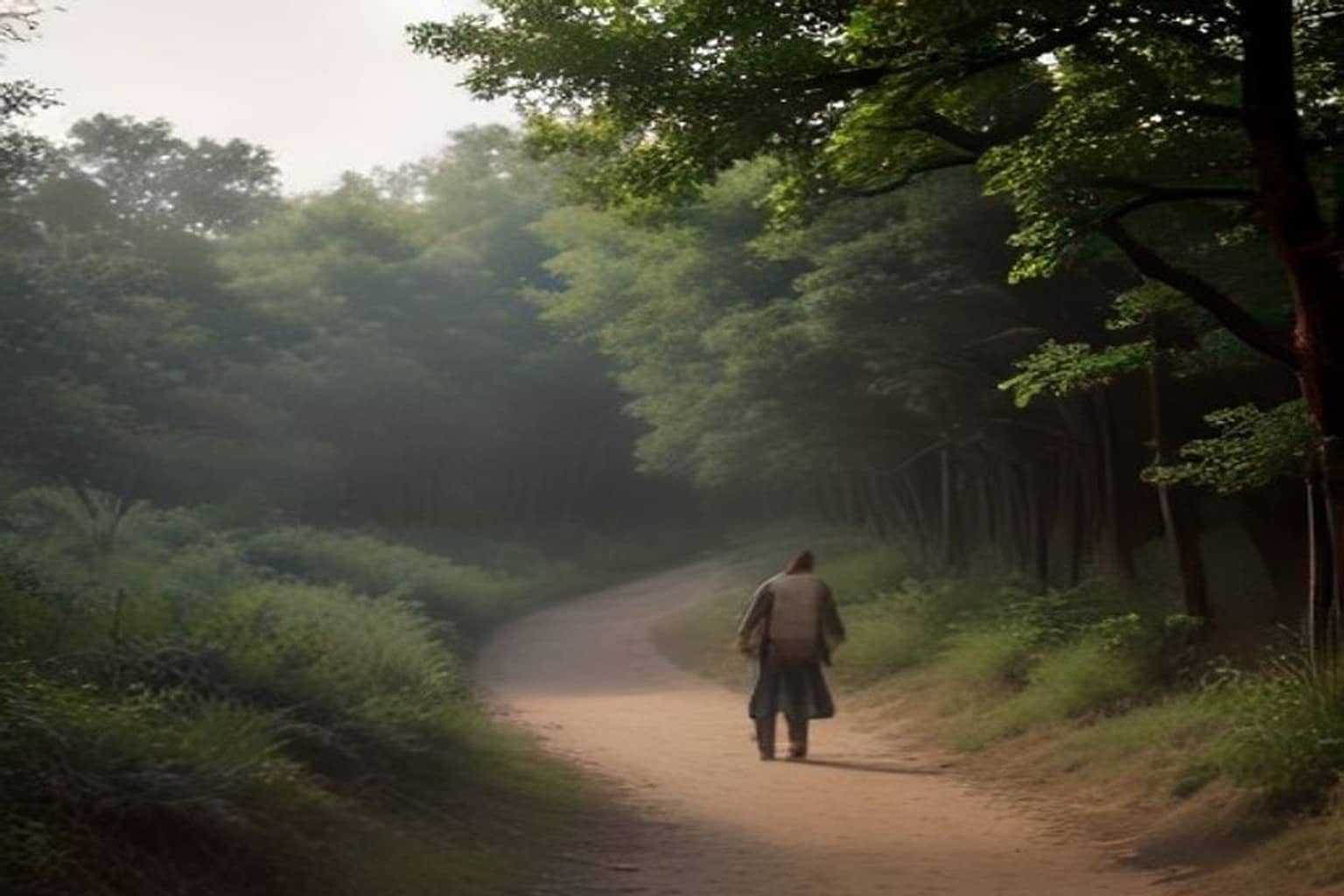
GURUGRAM: Aravali Biodiversity Park is described on iamgurgaon's project pages as a restored mining landscape in the city, developed through a public-private effort with the Municipal Corporation of Gurgaon and citizen volunteers. The case study speaks of revitalising about 350 acres of MCG-owned land. The projects listing elsewhere on the same site puts the restored area at over 380 acres, so readers should treat the acreage as an approximate range from the NGO's own pages.
According to iamgurgaon, the land had been scarred by quarrying before citizens, schools and companies joined a planting drive that brought more than 20,000 people, including children from 30 schools and staff from over 70 corporates. Only trees and shrubs native to the Aravali range are planted, the pages say, with fencing, watering and mulching used to protect young stock.
The projects listing also notes that eBird has recorded 195 bird species in the park over recent years and that animals such as jungle cat, palm civet, jackal, porcupine and nilgai have been seen. Those wildlife notes are iamgurgaon's claims on its project page, not a Dalimss field count.
On ecology services, the case study says the park acts as a carbon sequestration zone, supplies about 7.1 percent of the city's oxygen demand on the NGO's calculation, and helps with flood buffering and groundwater recharge. A gravity-based drip system is described as covering three major hills and about 75 acres while saving millions of litres of water a year.
What the fetched iamgurgaon pages do not publish is a gate timetable, a ticket price or a parking fee. Listing sites often invent morning and evening slots. This feature will not copy those unverified clocks. Call MCG or check on-site boards for opening hours before you plan a sunrise run.
How to place a visit beside other green guides
The initiative page carries a Google Maps link for visitors. The park sits near the Guru Dronacharya side of the city in common local description, but treat the map pin on iamgurgaon's page as the navigational source rather than a cab driver's memory of an old mining gate.
Readers who want a longer urban forest walk closer to residential bundhs can pair this with the Chakkarpur Wazirabad corridor feature in this batch, which draws on the same NGO's restoration case study for a 5.2 km mobility trail. Birders comparing wetlands may prefer the Sultanpur National Park guide.
Carry water, wear closed shoes and stay on marked paths. The pages stress native scrub and rocky ground, not a manicured lawn. Dogs, loud music and litter rules should be read from on-site notices, because the web case study does not print a visitor code of conduct in full.
iamgurgaon also flags the park among OECM-style conservation storytelling on its site. That label is part of the NGO's public narrative. It does not by itself change entry rules for a Sunday walker.
This is a Dalimss News feature based on iamgurgaon's published project text. It is not a partnership announcement and it does not sell guided walks or planting day tickets.
Plan travel with a live map on the day you go, because sector shortcuts and metro last-mile options change when a flyover is closed or a market fair takes a lane.
Carry a small bottle of water and a power bank if you expect to queue more than one stop. Official pages rarely mention drinking water points or charging desks.
If you are travelling with older family members, call ahead about lift access and seating. Many Gurugram venues publish addresses without an accessibility note.
Weekend evenings on Golf Course Road, NH-48 and Sohna Road often move slower than map estimates. Leave a buffer rather than cutting the arrival fine.
Screenshot the official page you relied on, including the date you read it, so you can compare if a fee board at the gate looks different from the website.
This feature is written for Gurugram readers who want official addresses and clocks in one place. It is not a paid listing and it does not rank venues.
When two official pages disagree on a minor detail, ask the venue desk and keep the more conservative plan until you hear back.
Children's tickets, camera fees and locker rules are easy to miss on thin tourism pages. Ask those three questions at the entrance before you pay for anything optional.
Keep cash and a UPI option ready, because some counters still flip between the two without warning on Sundays.
Share your live location with a family member if you are walking long green corridors alone after dusk, even in well-used public spaces.
Plan travel with a live map on the day you go, because sector shortcuts and metro last-mile options change when a flyover is closed or a market fair takes a lane.
Carry a small bottle of water and a power bank if you expect to queue more than one stop. Official pages rarely mention drinking water points or charging desks.
If you are travelling with older family members, call ahead about lift access and seating. Many Gurugram venues publish addresses without an accessibility note.
Weekend evenings on Golf Course Road, NH-48 and Sohna Road often move slower than map estimates. Leave a buffer rather than cutting the arrival fine.
Screenshot the official page you relied on, including the date you read it, so you can compare if a fee board at the gate looks different from the website.
Readers mapping a quieter heritage morning before the park walk can also open the Gurugram heritage places list for forts and baolis listed on tourism pages.
Dalimss News did not receive payment or any other consideration for this article. It is independent editorial coverage.