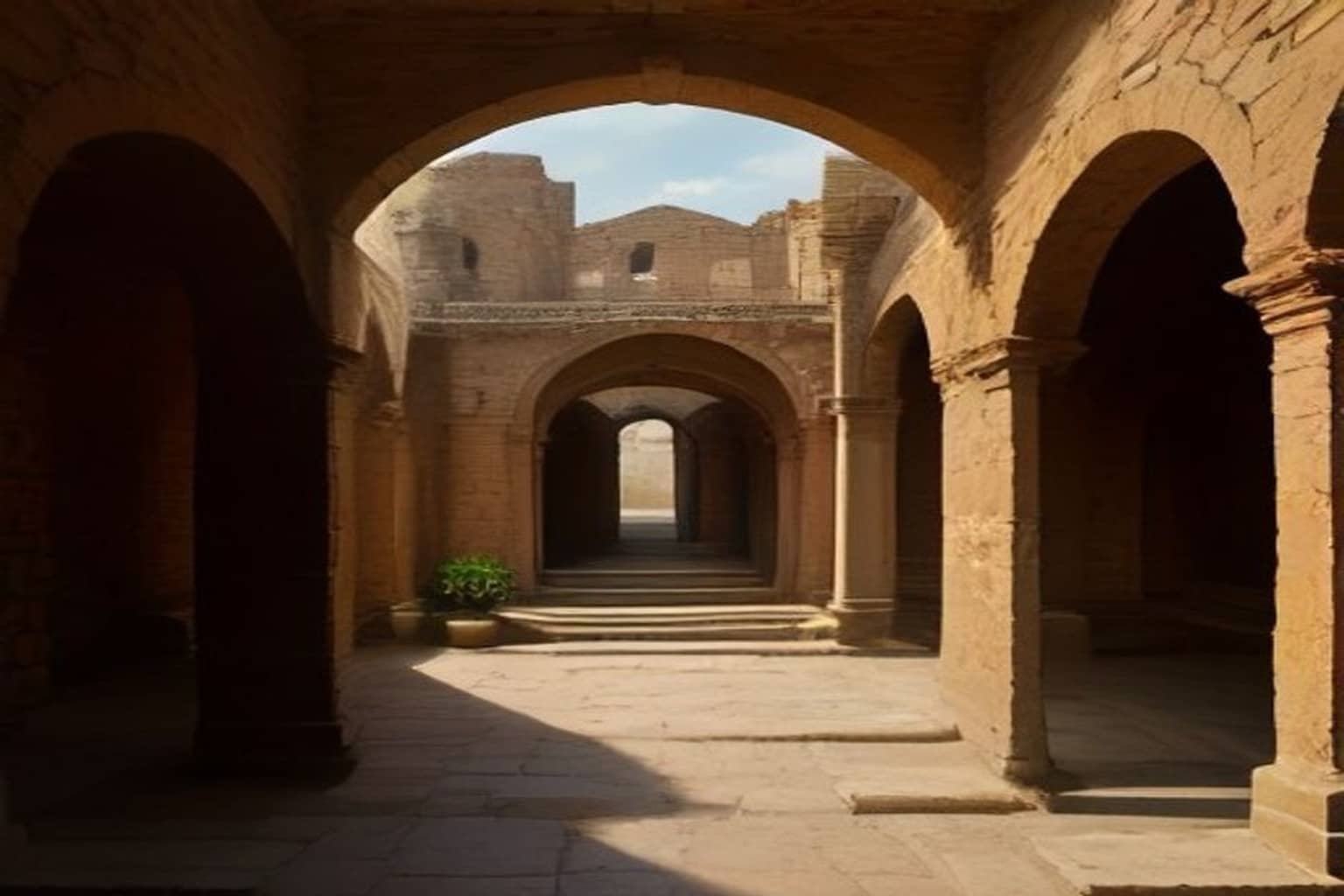
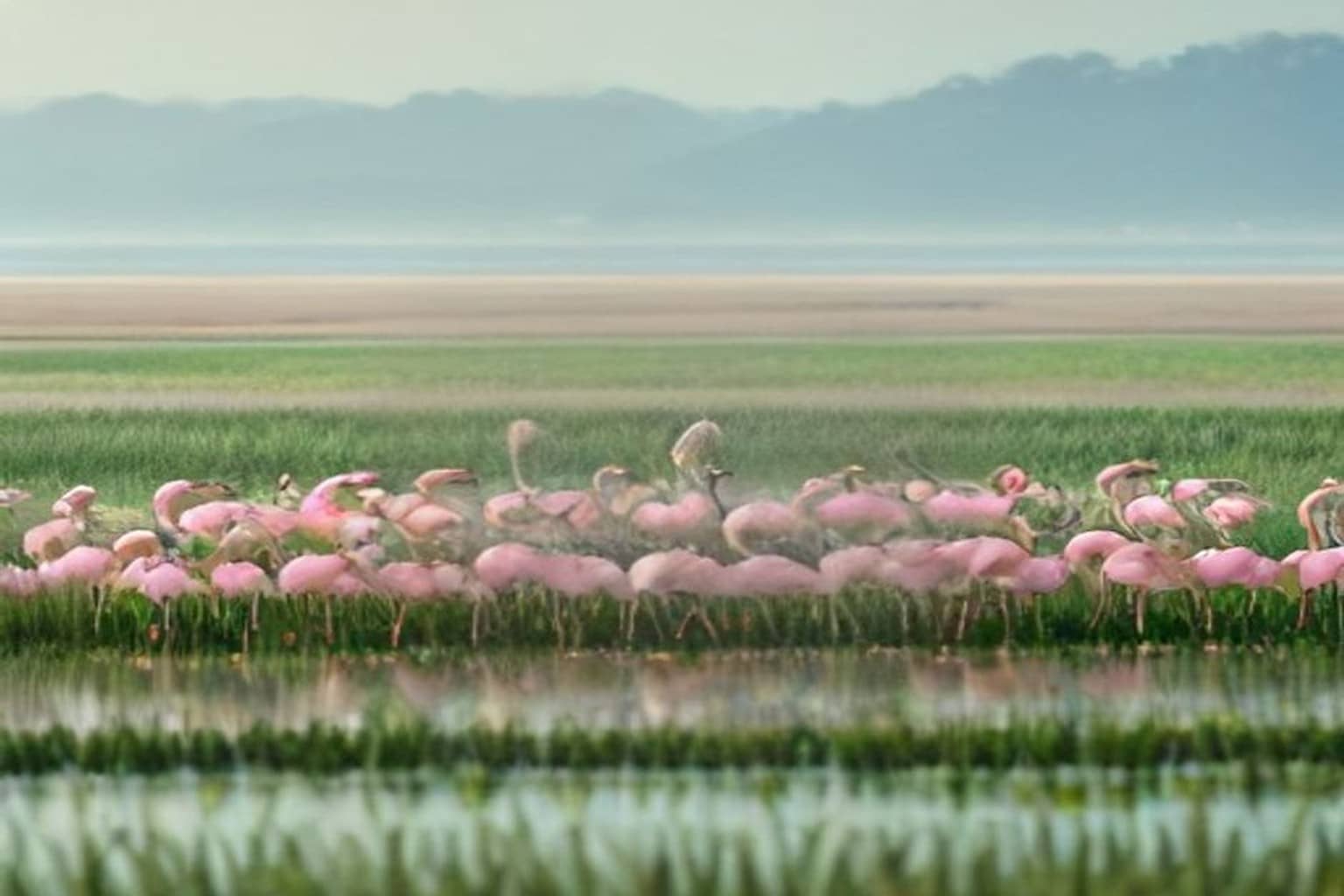
GURUGRAM: Sultanpur National Park, about 15 km from the city on the Gurgaon-Farrukhnagar road, is a designated Ramsar wetland where more than 250 species of resident and migratory birds have been reported, according to the Wildlife Department of Haryana. October is the start of the season when winter visitors arrive, so this Dalimss News feature collects what the state's official pages say about the park for readers thinking of a nature outing. It is a feature built on those pages, not a report from a visit.
The wildlife department's page gives the park's area as 142.25 hectares and its address as National Park, Gurgaon Farukh Nagar Road, Sultanpur, Gurugram 122006. It says the park is about 15 km from Gurugram city and around 50 km from Delhi, reached via NH-48. Haryana Tourism's page gives the distances as 15 km from Gurgaon and 46 km from Delhi.
On history, the department says the wetland drew attention in the late 1960s through the work of the ornithologists Peter Michel Jackson and Dr Salim Ali. It was declared the Sultanpur Bird Sanctuary in 1971, upgraded to a national park in 1991 and recognised as a Ramsar site in 2021. The page notes that bird enthusiasts often call the place the Dr Salim Ali Bird Sanctuary, although it officially keeps the name of its village, and that a bust and displays in the park commemorate him.
Birds and visitor facilities as listed
For winter visitors, the department lists greater flamingos, northern pintails, Eurasian wigeons, common teals and bar-headed geese. Resident birds named on the page include the Indian peafowl, red-wattled lapwing, cattle egret and white-throated kingfisher. It also records the sarus crane, black-necked stork and Indian courser as rare or threatened species seen at the park.
Haryana Tourism's page lists four watch towers at different points, parking, toilets and drinking water, and an educational interpretation centre meant to guide visitors. It also mentions a tourist complex inside the park with rooms and a restaurant. The wildlife department adds trails, electric carts, birding exhibits, viewing platforms, and seasonal birding festivals, nature walks and student excursions.
On timing, the two government pages do not fully agree. The wildlife department gives November to February as the peak migratory season. An older Haryana Forest Department page says migratory birds begin arriving in September and use the park until March or April, and suggests December to February for a visit. Haryana Tourism says about 90 migratory species arrive each year in search of feeding grounds, and that a few species such as the Asian koel and the Eurasian golden oriole come in summer.
The tourism page also carries a line of advice that a good pair of binoculars helps in seeing wildlife from a safe distance without disturbing the birds. That is the department's own framing, and it matches the general idea of watching quietly from the towers and trails.
What these pages do not give is equally worth stating. Dalimss News did not find daily opening hours, ticket fees, camera charges or the park's current seasonal closure dates on any of the three official pages. The Haryana Forest Department page still shows a closure notice dated 2017, which is out of date, and the wildlife department's page was last updated in September 2025. Anyone planning a trip would need to get current hours and fees from the park office or the department.
The wildlife department also notes that Sultanpur forms part of an ecological corridor with the Bhindawas and Najafgarh wetlands in the Central Asian flyway. Its page describes the seasonal water bodies, grasslands and scattered trees as the habitat that supports the birds listed above.
Dalimss News did not receive payment or any other consideration for this article. It is independent editorial coverage.