
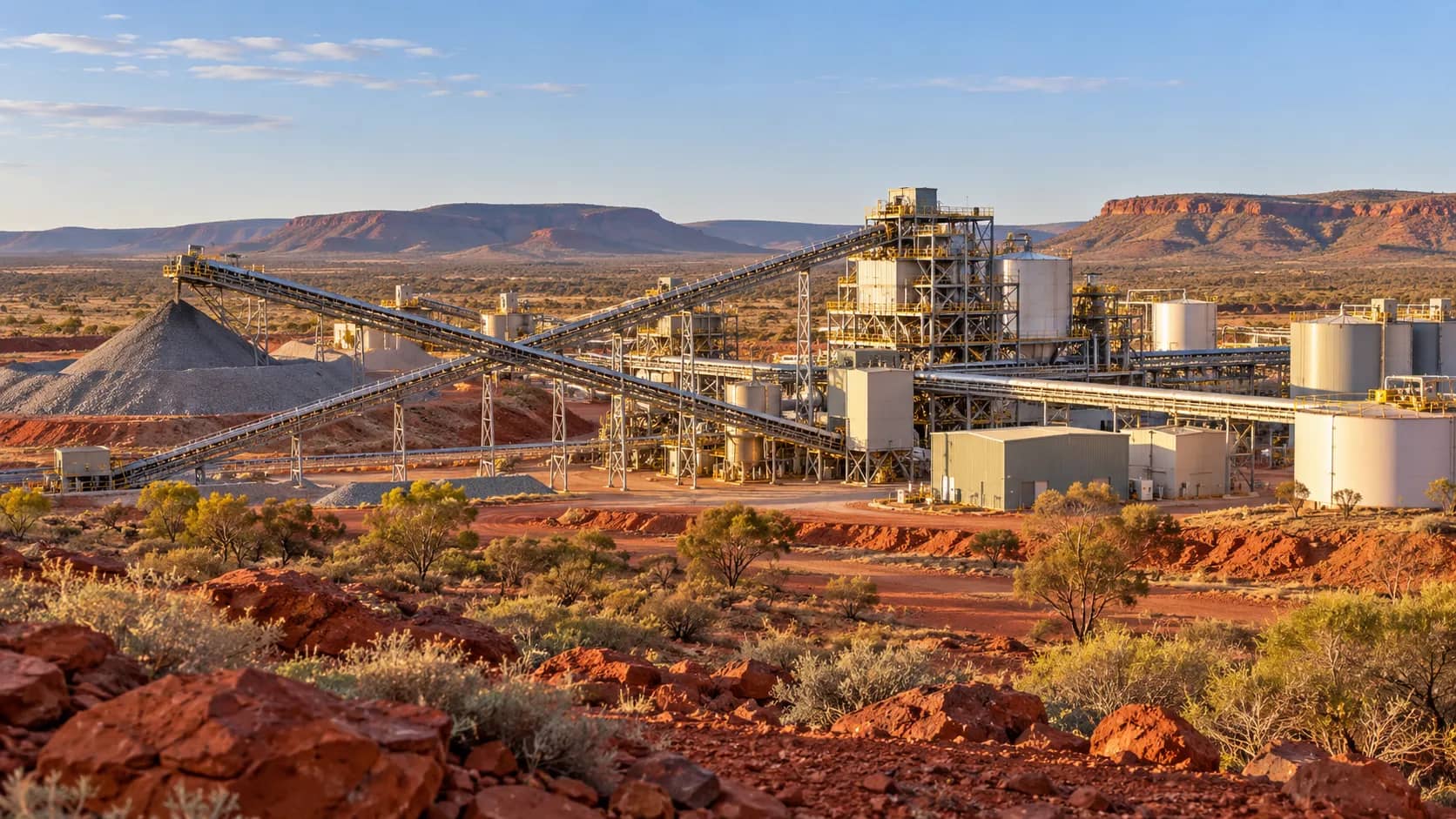
Australia has refreshed its critical minerals strategy, putting greater weight on domestic processing, national security and supply chains that depend on fewer concentrated sources. Resources Minister Madeleine King launched the update on October 27, setting out the government's direction for the sector through 2030 rather than announcing that every project in its pipeline will receive funding.
The minister's announcement presents the change as the next stage of a strategy first released in 2023. It says the Critical Minerals Strategic Reserve, the expanded Critical Minerals Facility and the legislated production tax incentive are foundations already in place. Those measures should not be read as newly created by this release.
The distinction matters because the 2026 strategy update combines an account of previous government action with priorities for future work. Its stated purpose is to guide development of the industry. The document's disclaimer says it does not commit the Commonwealth to a particular course of action.
Processing gets more attention than extraction alone
The government wants Australia to retain more of the value of its mineral resources by expanding refining and processing where it has, or can develop, a comparative advantage. The objective is therefore broader than opening additional mines. It also includes the industrial capability needed to turn extracted material into products used further along supply chains.
Under the strategy, support is to focus on minerals and parts of the supply chain that meet Australia's strategic interests. The government identifies areas where supply risks are high, market conditions are distorted and Australian capabilities can make a difference. It also wants project development to match demand from international partners, rather than treating every resource deposit as an equal priority.
The document identifies practical obstacles between finding a resource and operating a processing plant. Projects can require expensive specialised technology, reliable energy, trained workers and infrastructure in remote locations. Long development periods and uncertain markets can make technically viable projects difficult to finance. The strategy says private investment remains essential, even where targeted public support helps projects progress.
Existing smelters and refineries are part of the approach. The government says they can provide opportunities to recover critical minerals from processing streams, by-products and residues where that is commercially viable. New processing plants and facilities shared by multiple users could also help Australia process more of its own minerals, rather than relying only on extraction and export.
Partnerships, communities and infrastructure
International cooperation remains a separate part of the plan. Australia intends to connect its resources and growing processing capacity with partners' manufacturing demand. The strategy identifies investment and agreements to purchase future output as ways to support projects and diversify supply. These are intended outcomes, not confirmation that a particular new commercial contract has been signed.
The update retains six areas of work: bringing strategically important projects into production, attracting investment and international partnerships, First Nations participation, production standards, infrastructure and regulation, and workforce development. Its measures of success include projects reaching final investment decisions, more onshore processing and Australian intellectual property being developed, protected and used domestically.
For First Nations communities, the strategy identifies access to information and expertise as necessary for meaningful participation in mineral opportunities. It links sector growth with economic self-determination and wealth creation. These objectives sit alongside the mining and investment priorities, rather than being described only as consultation after a project has already been developed.
Infrastructure priorities include better access to shared facilities and reliable energy. The document also calls for more predictable and efficient national environmental approvals, with coordination between federal, state and territory governments on strategically important projects. It does not itself announce approval of a named mine or refinery, or remove the need for the relevant regulatory decisions.
Workforce development is aimed at increasing the number of people with processing and refining skills, alongside more diverse and inclusive workplaces. The production-standards part of the strategy includes lower emissions from extraction and processing and greater use of circular-economy practices. Together, these goals define what the government wants sector development to deliver beyond additional mineral output.
For companies, communities and overseas buyers, the next evidence of implementation will be project decisions, investment arrangements and the supporting infrastructure and workforce measures. The October 27 update establishes the policy direction and explains the government's priorities. It does not guarantee that proposed projects will reach production or that the expected supply-chain benefits have already been achieved.
Related international coverage: Australia and PNG's telecom cooperation framework and the UK-Oman investment and cooperation statement.
Adapted from Critical Minerals Strategy 2023-2030 (2026 Update), Australian Government Department of Industry, Science and Resources, under CC BY 4.0. This independent report does not imply government endorsement.