NEW DELHI: The ASUS Zenbook 14 UX3480 family has three announced India price points: Rs 1,36,990 for UX3480QA, Rs 1,56,990 for UX3480KA and Rs 1,67,990 for UX3480AA. ASUS pairs the family with Qualcomm, AMD and Intel processor choices respectively, making the configuration code central to understanding what the price buys.
| India launch model | Processor family | Announced SRP |
|---|---|---|
| UX3480QA | Snapdragon X | Rs 1,36,990 |
| UX3480KA | AMD Ryzen AI | Rs 1,56,990 |
| UX3480AA | Intel Core Ultra | Rs 1,67,990 |
Price as of 16 November 2026, 00:13 IST. These are the suggested retail prices in ASUS India's launch table, rather than a claim that every colour or storage combination is selling at that amount. The company announced the India range on 5 November. No bank discount or monthly instalment has been deducted from these figures.
A family price range with different platforms
The table is useful because it separates three hardware branches under a shared name. A customer asking simply for the new Zenbook could otherwise receive quotations for materially different machines. The code should travel with the comparison, from the product page to a written quotation and finally the invoice. A similar lid or colour does not establish that the internals are interchangeable.
ASUS's India explainer identifies the Qualcomm, AMD and Intel versions and describes different display tiers within the family. That is why the highest screen specification in a launch headline should not be attached automatically to the lowest price. Someone seeking a particular panel or touchscreen needs the specification for the quoted branch, rather than the broad family introduction.
The display distinction matters more than the shared name
The India blog describes OLED screens for the Snapdragon and AMD branches, with the Intel branch offering the higher Lumina OLED specification. Across the family, the announced display range runs from FHD+ at 60Hz to 3K at 120Hz. Treat those as configuration choices, not a single panel with a setting that changes its physical resolution.
For a writer or analyst, screen layout and comfortable text rendering may be the deciding factors. For someone preparing images, colour behaviour and the working environment become more important. For entertainment, the display can be the main attraction even when the application workload is modest. Those are different reasons to spend on the screen, and none requires assuming that every more expensive processor will improve every task.
What Ceraluminum changes in the design
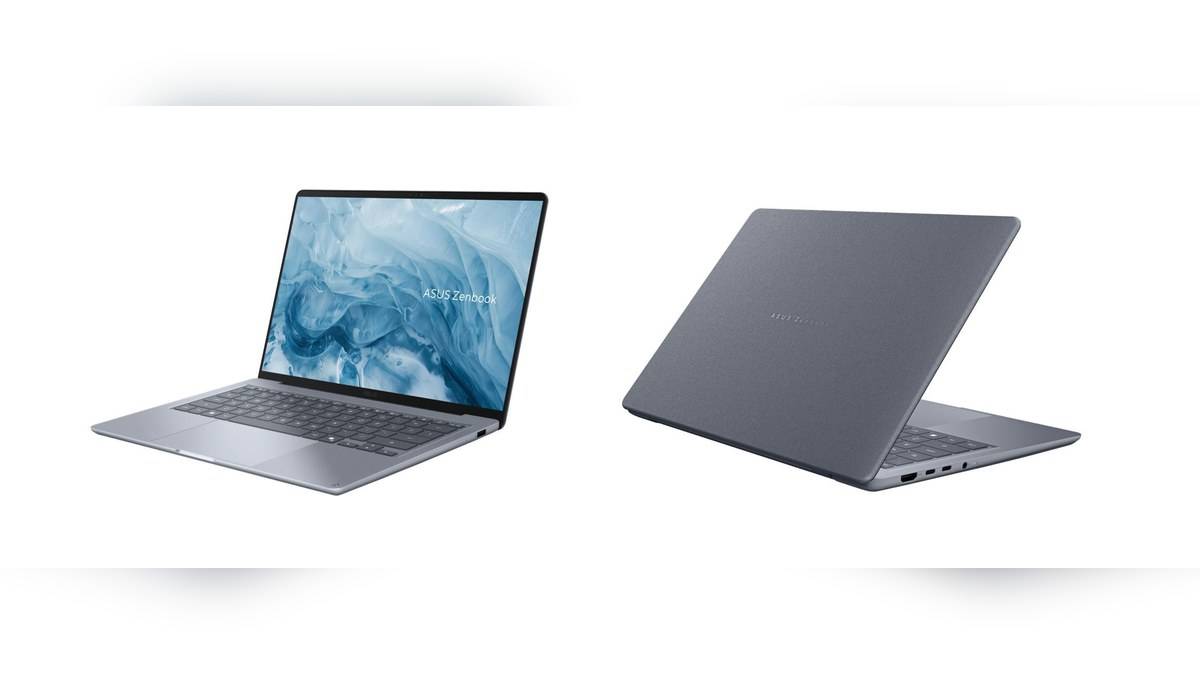
ASUS offers Arctic Blue, Komodo Coral and Zabriskie Beige, with a Ceraluminum finish as part of the design story. The launch material positions the family around a light, slim chassis and a more distinctive appearance. Material-strength statements are company claims, however, and should not be read as a promise that cosmetic wear or accidental damage is impossible.
This is an unusually design-led choice within a Windows laptop shortlist. The colour runs through the visual identity rather than being a performance option. A purchaser choosing the coral finish for a public-facing work setting still needs to verify the underlying model code. Appearance is a legitimate preference, but it should be considered after the required software and display configuration have been settled.
Battery and AI figures need their own context
ASUS advertises up to 33 hours for the family and up to 50 TOPS of NPU capability. These are maximum claims across the announced offering. They do not mean that every branch has the same battery result or that an NPU rating predicts overall application speed. The useful question is which local software features the chosen hardware supports and whether they serve a recurring task.
For study or work, start with the actual applications, accessories and workplace requirements. A machine used mostly for web tools presents a different compatibility checklist from one expected to run specialist desktop utilities or older peripherals. Verify the supported configuration directly with the software provider before treating a processor choice as a harmless change of badge. The launch announcement is not a substitute for that compatibility check.
Variants, rivals and ownership checks
The India explainer lists onboard memory and SSD configurations, but its summary and related-product module show different family ceilings. This guide therefore does not attach a universal maximum memory or storage figure to all three announced prices. The exact sale listing must establish those capacities. That avoids creating an imaginary specification by combining the cheapest price with the highest family options.
Rival Windows ultraportables should be compared at the complete configuration level: panel, installed memory, software entitlement and service terms. Our ASUS Vivobook 14 X1404VA price list: Rs 50,990 to Rs 51,990 MRPs explains the brand's initial fault process. The Vijay Sales HSBC offer starts today: Nord 6 and Asus prices and ASUS faulty laptop returns: 7 working days and the DOA process provide related reading for cross-brand shortlists. Their conditions remain specific to those brands.
Official sources: ASUS India announcement and complete launch price table and ASUS India configuration explainer.