

Aerobic exercise uses oxygen to help produce energy during sustained activity, such as walking. Anaerobic exercise relies on energy production that does not require oxygen during short, intense efforts, such as lifting a weight. The distinction describes how the body supplies energy, rather than a choice between a healthy and an unhealthy kind of exercise.
For someone comparing workout descriptions, the useful questions are what the activity involves, how hard it feels and which part of fitness it develops. A session described as cardio and one described as strength training may serve different purposes. Both can have a place in an appropriate routine.
| Point of comparison | Aerobic | Anaerobic |
|---|---|---|
| Main description | Sustained, rhythmic activity using oxygen to support energy production. | Short, high intensity efforts using energy pathways that do not require oxygen. |
| Simple example | Continuous walking. | A brief weightlifting effort. |
| Common misunderstanding | Aerobic does not always mean gentle. | Anaerobic does not mean holding your breath. |
What is aerobic exercise?
Cleveland Clinic's medically reviewed exercise guide describes aerobic activity as rhythmic, repetitive movement involving large muscle groups. It raises heart rate and oxygen use. Walking, jogging and swimming are familiar examples, although their suitability depends on the individual.
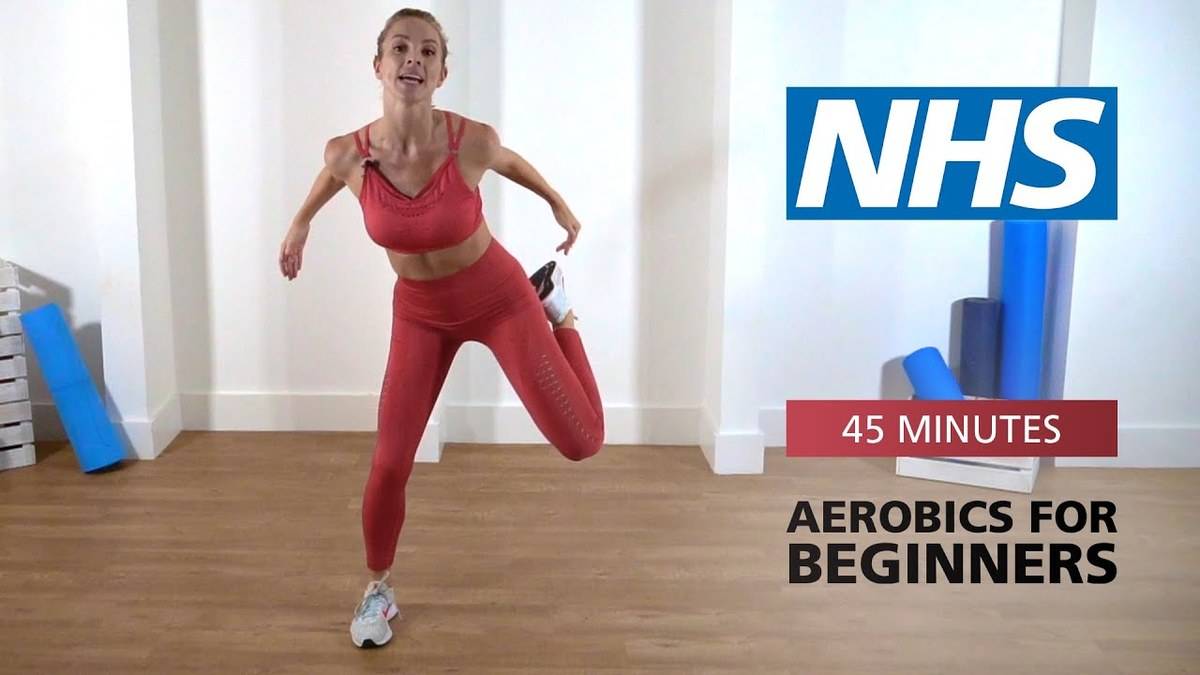
The word aerobics can also describe a particular exercise class, but the physiological category is wider. Someone walking continuously at a suitable pace can be doing aerobic activity without following a choreographed routine. The label refers to the effort and energy demand rather than the setting or whether music is playing.
What is anaerobic exercise?
Cleveland Clinic uses lifting weights as its example of anaerobic exercise. Here, the brief, intense effort draws on energy production without oxygen. This describes a cellular energy process. It is not an instruction to stop breathing while lifting, and beginners should learn safe technique before increasing difficulty.
The terms therefore answer a different question from whether an exercise is good for a particular person. A high intensity label does not establish that someone is ready for that activity. Medical history, current fitness, technique and gradual progression still matter when deciding what to attempt.
Is vigorous exercise always anaerobic?
No. The CDC's guide to activity types includes both moderate and vigorous aerobic activity. It lists fast walking among moderate examples, while jogging or running and swimming laps are vigorous examples. Hard breathing alone does not make an activity anaerobic.
Intensity describes how hard the body works. It is also relative to the person: CDC notes that walking may feel moderate for one adult and vigorous for another. Comparing yourself with a fitter friend can therefore give a misleading impression of how demanding the same activity is for you.
For more detail on that separate question, read our explanation of moderate exercise intensity and the talk test. The energy system comparison here is useful for understanding workout terminology, but it cannot determine a personal training limit.
Does strength training count as aerobic exercise?
The NHS strength and flexibility guide defines strength exercise as activity that makes muscles work harder than usual, using body weight or resistance. Its examples include resistance bands, weights and certain body weight movements. That describes muscular demand, rather than simply time spent moving.
The NHS explains that strength exercise time does not automatically count towards moderate aerobic activity. Some activities can meet both purposes when performed at an appropriate intensity, including circuit training and certain sports. The name of a class is therefore less informative than what participants actually do.
Adults generally need aerobic activity alongside muscle strengthening on at least 2 days a week. Our weekly exercise guideline explainer covers the recommended amounts. A flexibility session has a different purpose again, supporting the movement needed at joints for everyday tasks.
How can beginners choose safely?
The American Academy of Orthopaedic Surgeons recommends combining aerobic conditioning with flexibility and strength work. Its guide advises choosing an enjoyable aerobic activity and building up gradually. It also explains why muscles demand more oxygen rich blood during aerobic work, making the heart beat faster.
Readers with a medical condition should consult a qualified doctor before starting or substantially increasing exercise. Start within your current ability, use a warm up and cool down, and stop if there is pain. Chest discomfort, unusual breathlessness or dizziness during exercise needs prompt medical attention.
For a beginner movement guide with easier options, see our chair and wall strength exercises. Learning a controlled movement and choosing a manageable effort are more useful starting points than selecting a workout because its title promises maximum intensity.