
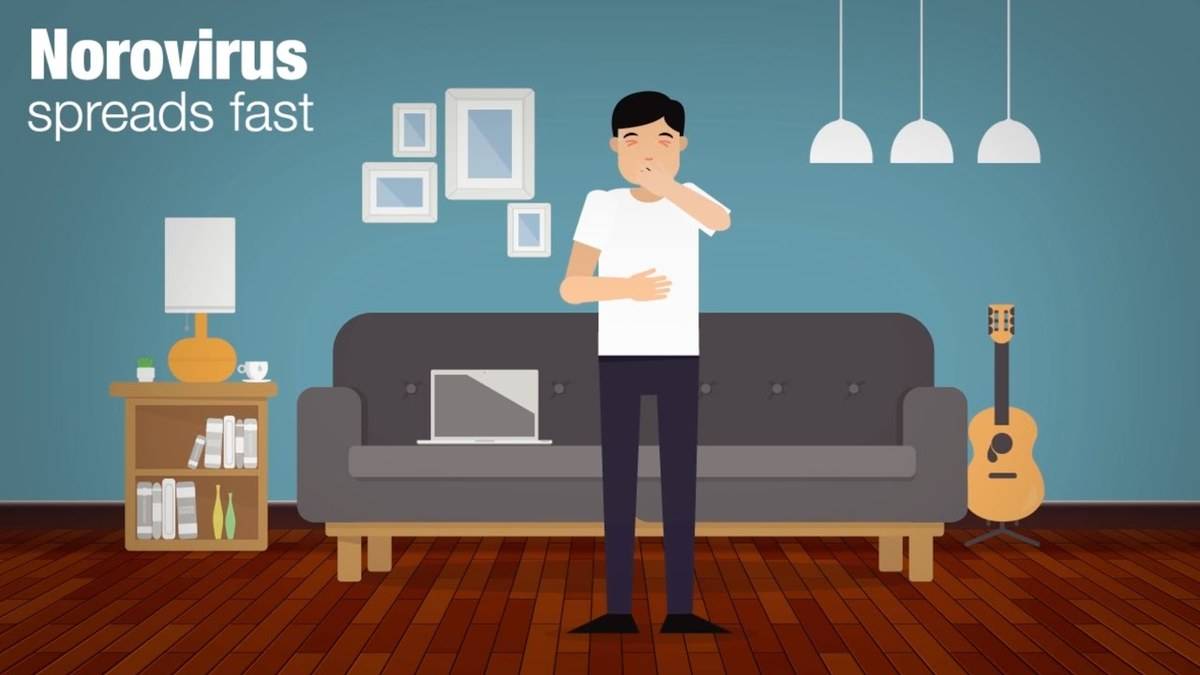
Norovirus symptoms usually include sudden vomiting, diarrhoea, nausea and stomach pain. The US Centers for Disease Control and Prevention (CDC) says symptoms commonly begin 12 to 48 hours after exposure and most people recover within 1 to 3 days. The immediate concern is dehydration, particularly in young children, older adults and people with other illnesses.
The infection is sometimes called stomach flu, but it is caused by a different virus from influenza. Knowing that distinction helps explain why a vomiting illness needs its own precautions around toilets, food and shared surfaces. Symptoms alone cannot confirm which infection someone has.
| Common question | What official guidance says |
|---|---|
| When do symptoms begin? | Usually 12 to 48 hours after exposure. |
| How long does illness last? | Most people improve within 1 to 3 days. |
| When can food handling resume? | Wait at least 48 hours after symptoms stop. |
| Is it only a winter infection? | No. Infection can occur at any time of year. |
What are the symptoms of norovirus?
The CDC's norovirus overview lists diarrhoea, vomiting, nausea and stomach pain as the most common symptoms. Fever, headache and body aches can also occur. Repeated vomiting or diarrhoea can remove substantial fluid from the body, even when the illness itself is brief.
CDC warning signs of dehydration include urinating less, a dry mouth and throat, and dizziness when standing. In children, crying with few or no tears, unusual sleepiness or fussiness are additional concerns. These signs deserve attention rather than an assumption that everyone will recover on the same timetable.
Seek medical assessment if dehydration is suspected, especially if the person cannot keep fluids down. Severe dehydration needs urgent medical care. Readers with an existing medical condition should consult a qualified doctor about their individual risk and any new symptoms.
How does norovirus spread?
According to the CDC explanation of transmission, infection can follow accidental swallowing of tiny particles of stool or vomit from someone with norovirus. This can happen through contaminated food or water, close contact, or touching a contaminated object and then putting unwashed fingers in the mouth.
A shared kitchen can therefore connect several routes of transmission. An infected person might handle food, food might touch a contaminated counter, or droplets produced during vomiting might land on food and surrounding surfaces. A meal's appearance cannot reliably show whether it carries the virus.
CDC says people are most contagious while ill, especially when vomiting, and during the first few days after feeling better. Viral shedding can continue for 2 weeks or more after recovery. The practical implication is to maintain careful hygiene after the immediate illness has passed.
Why does the 48 hour rule matter?
The CDC prevention guidance says a sick person should not prepare or handle food or care for others, and should wait at least 2 days, or 48 hours, after symptoms stop. This is particularly relevant to people working in restaurants, schools, childcare and care facilities.
Count that interval from the end of symptoms, rather than from when illness first began. Feeling well enough to cook is a different question from completing the recommended waiting period. The interval reduces opportunities to pass the infection on, but continued hygiene remains necessary because shedding can last longer.
Does hand sanitiser prevent norovirus?
CDC says hand sanitiser alone does not work well against norovirus and should not replace washing with soap and water. Wash for at least 20 seconds, particularly after using the toilet or changing nappies and before preparing, handling or eating food. Our guide to Everyday Prices Climb Across Varanasi Markets Ahead Of Festive Demand explains how to cover the hands thoroughly.
Food hygiene also matters when nobody appears visibly ill. Wash fruit and vegetables carefully and clean kitchen utensils and counters. The related guide on Food allergy vs intolerance: the difference and limits of home tests explains routine handling, while Choosing KENT Electric Chopper at Rs 1,449 for small prep covers storage as a separate kitchen precaution.
What should families remember about shared spaces?
The NHS norovirus guide highlights toilet seats, flush handles, taps and bathroom door handles as places to clean. It also advises avoiding visits to hospitals or care homes until vomiting and diarrhoea have stopped for 2 days. Those are settings where passing an infection to someone vulnerable can have greater consequences.
Handle soiled clothes and bedding carefully without shaking them. CDC advises prompt washing and handwashing afterwards. Although the NHS uses the familiar name winter vomiting bug, it explicitly says norovirus can occur at any time of year. These precautions are useful year round and do not depend on a local outbreak announcement.