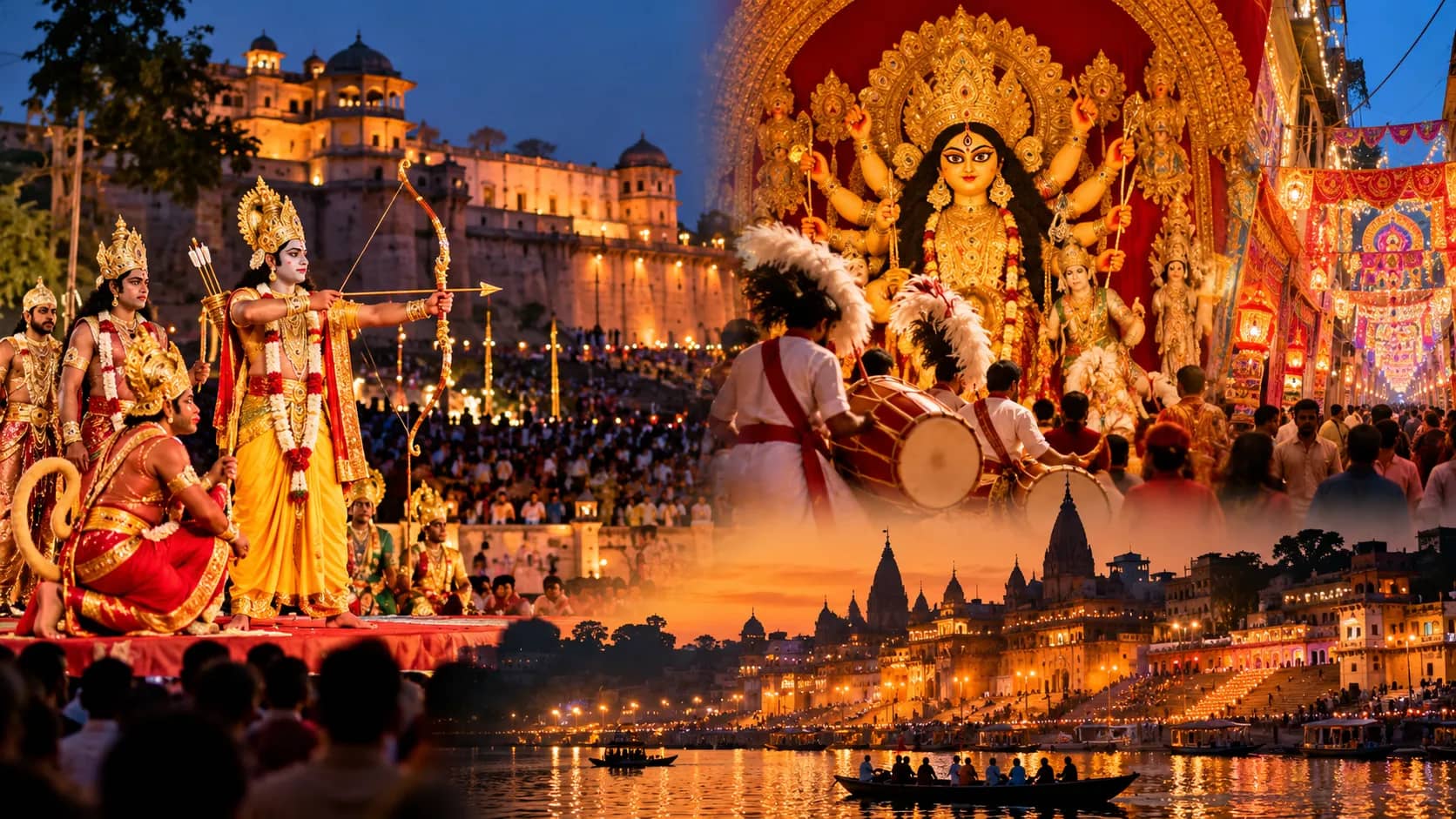
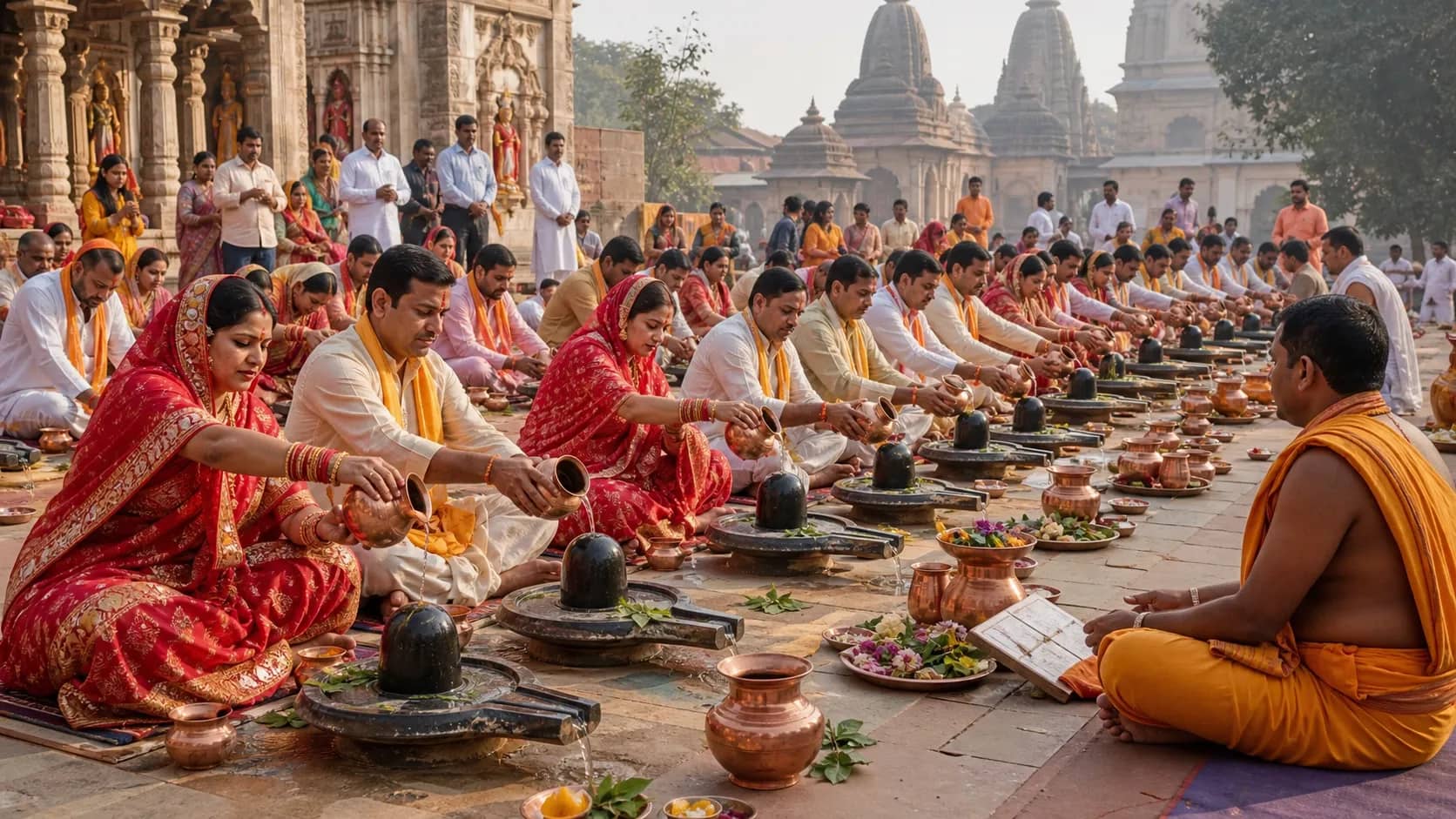
VARANASI: Sarangnath Temple in Sarnath hosted a collective Rudrabhishek by 501 couples, bringing a large Sawan congregation to a part of Varanasi better known globally for its Buddhist heritage. The ceremony included worship of Baba Sarangnath and Baba Vishwanath under the guidance of a team of priests.
Speakers at the programme described Sarnath as one of Kashi's major spiritual zones and discussed the theme of 'Sarangnath and Shiva tattva'. Shivang Vijay Singh of the Dumraon royal family called the event an effort towards the protection of Sanatan traditions. Rahul Sinha, associated with the organising body, spoke about the temple's place on Hindu pilgrimage itineraries.
Dr Beni Madhav narrated the mythological account linked with Sarangnath, arguing that such stories carry meanings beyond their surface plot. A chief acharya led 501 Brahmins in conducting the ritual. Visitors named in the organisers' account included participants from Nepal as well as devotees from the region.
Sarnath's religious landscape is layered. The Dhamek Stupa, monasteries and archaeological museum draw Buddhist pilgrims from across the world, while Sarangnath and other Hindu shrines remain central to local worship. The two traditions occupy the same neighbourhood without reducing it to a single historical period.
A ceremony involving hundreds of couples requires detailed coordination: registration, ritual materials, water, movement around the sanctum and a system that allows ordinary temple worship to continue. In the monsoon, organisers must also plan for slippery floors, crowd shelter and safe electrical arrangements for sound and lighting.
Collective worship changes the scale of a private ritual. Families who might otherwise conduct a small puja participate in a shared public moment, while the visual repetition of kalash, flowers and offerings gives the ceremony its force. It can also make participation more affordable when materials and priests are organised centrally.
The cultural claim made at the event—that Sarnath is an important spiritual area of Kashi—will resonate differently with tourists and residents. For the city, the useful approach is not to make one heritage overwrite another, but to explain each site accurately and provide respectful routes between them.
Tuesday's Rudrabhishek placed Sarangnath Temple at the centre of that local conversation. The event's immediate focus was devotional, yet its setting offered a wider reminder: Sarnath is not a sealed archaeological precinct. It is a living neighbourhood where several sacred geographies continue side by side.
The temple programme also offered a practical opening for heritage interpretation. A bilingual panel explaining Sarangnath's place in local tradition, the basic sequence of Rudrabhishek and the relationship between Sarnath's Hindu and Buddhist sites would help first-time visitors understand what they are seeing without interrupting worship.