Rs 1,409 Crore World Bank Loan Clears Key Gate for Gurugram Metro Phase 2
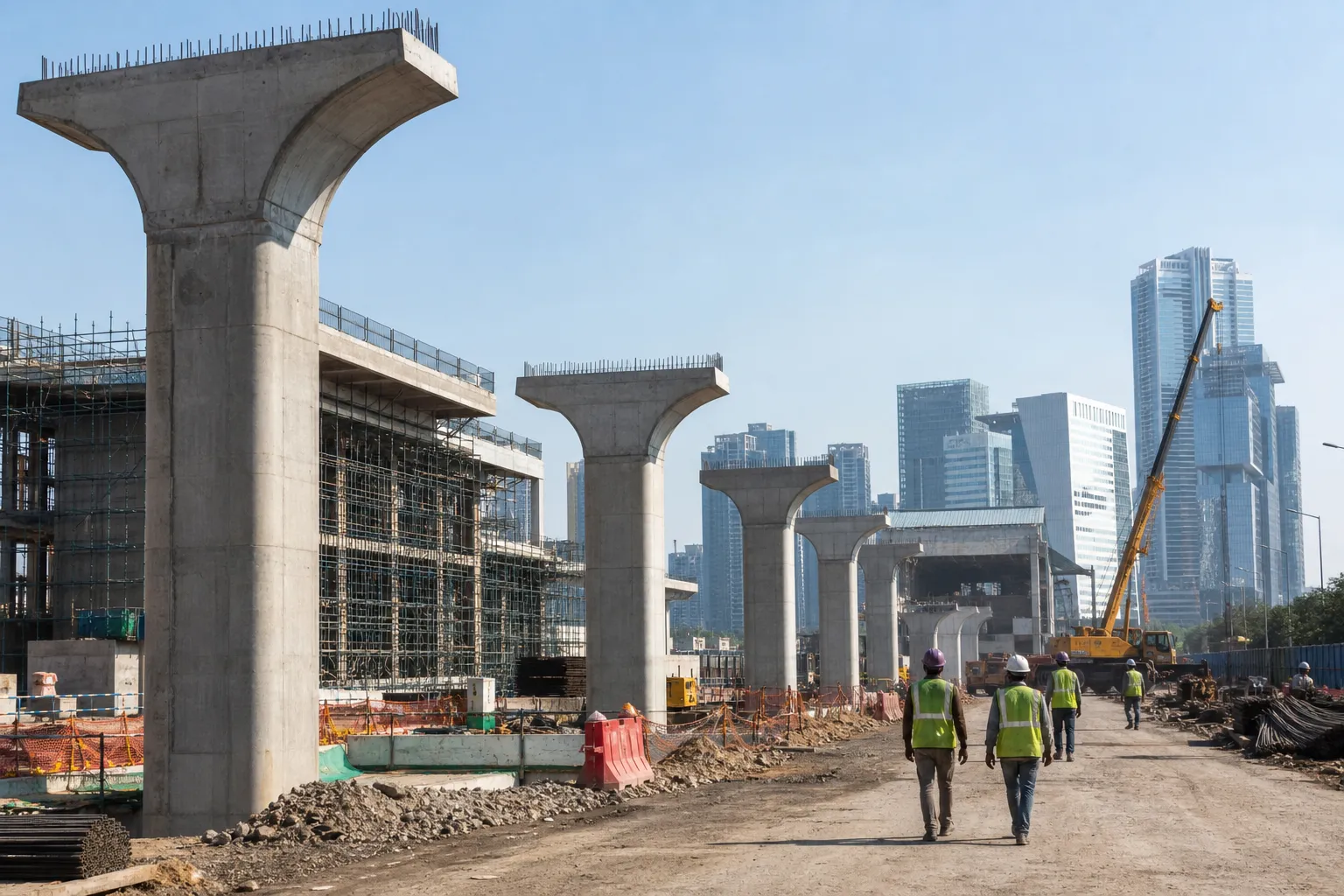
GURUGRAM: A revised Rs 1,409 crore World Bank loan proposal has been approved for the second phase of the Gurugram Metro, giving the planned Sector 9-to-Cyber City corridor a crucial financing clearance. The development is significant, but it is not a construction start: senior officials are still evaluating the civil-work tender before the formal tendering process can move ahead.
The proposed 13-kilometre corridor is designed to connect older residential sectors, Palam Vihar, Udyog Vihar and Cyber City through 14 stations. It is also expected to include a spur towards Gurugram railway station and interchange with the existing Rapid Metro and the future Namo Bharat corridor. That network logic matters in a city where too many daily trips still depend on private cars, cabs and overcrowded arterial roads.
The approved package is narrower than the full requirement
The revised package covers civil construction such as track laying, station work and selected double-decker sections. Traction and design components were removed because the lender was not funding the entire estimated requirement of Rs 2,700 crore. The distinction is important: approval of one financing component does not mean every contract, system and operational element has been funded or awarded.
Project officials said the proposal submitted in June is now being examined by Gurugram Metro Rail Limited and Haryana Mass Rapid Transport Corporation. Tendering can begin after that internal evaluation is completed. Residents should therefore read the latest movement as a procedural milestone, not as a promise that trains or even construction crews will appear immediately on the Phase 2 alignment.
A corridor built around interchange value
The proposed stations include Sector 7, Sector 4, Sector 5, Ashok Vihar, Sector 3, Bajghera Road, Palam Vihar Extension, Palam Vihar, Sector 23A, Sector 22 and the two Udyog Vihar phases before Cyber City. A railway-station link could make the line useful beyond office commuters by connecting local rail passengers to the urban transit grid.
Its real test will be the quality of interchange design. A station that sits across an unsafe road, lacks a shaded walking route or forces passengers into an expensive last-mile ride loses much of its network value. GMRL will need to plan footpaths, feeder buses, cycle access and auto-rickshaw bays alongside the engineering package rather than bolt them on later.
Phase 1 progress raises delivery expectations
Work on the Millennium City Centre-to-Sector 9 corridor has gathered pace, with three pier caps laid and the first U-shaped girders scheduled for launch near the Sector 40 traffic signal on August 28. The Phase 1 depot tender is also under evaluation and is expected to be awarded after scrutiny. Land requirements near Islampur and Basai remain another part of the delivery chain.
For Gurugram, the second phase is not simply an expansion on a map. It is the section that can connect dense neighbourhoods and employment districts to a wider system. Funding approval removes one uncertainty; transparent tendering, coordinated land work and safe station access will determine whether the corridor eventually becomes a usable alternative to the car.
Sources and reporting
Based on Gurugram Metro Rail Limited project details reported on 12 August 2026, including the revised financing scope, corridor length, stations and tender status.
Related Stories
Sector 17 Food Court Fire Blasts Two LPG Cylinders
Signature Global Plans 194-Acre Farrukhnagar Villas
Malda Arrest in Chakkarpur POCSO Case
Army Officer Flags Sector 106 C&D Waste Centre
Registrar Tells Aura RWA to Open Park to EWS