
Varuna Reverse Flow Floods Low Homes Near Pulkohna Again
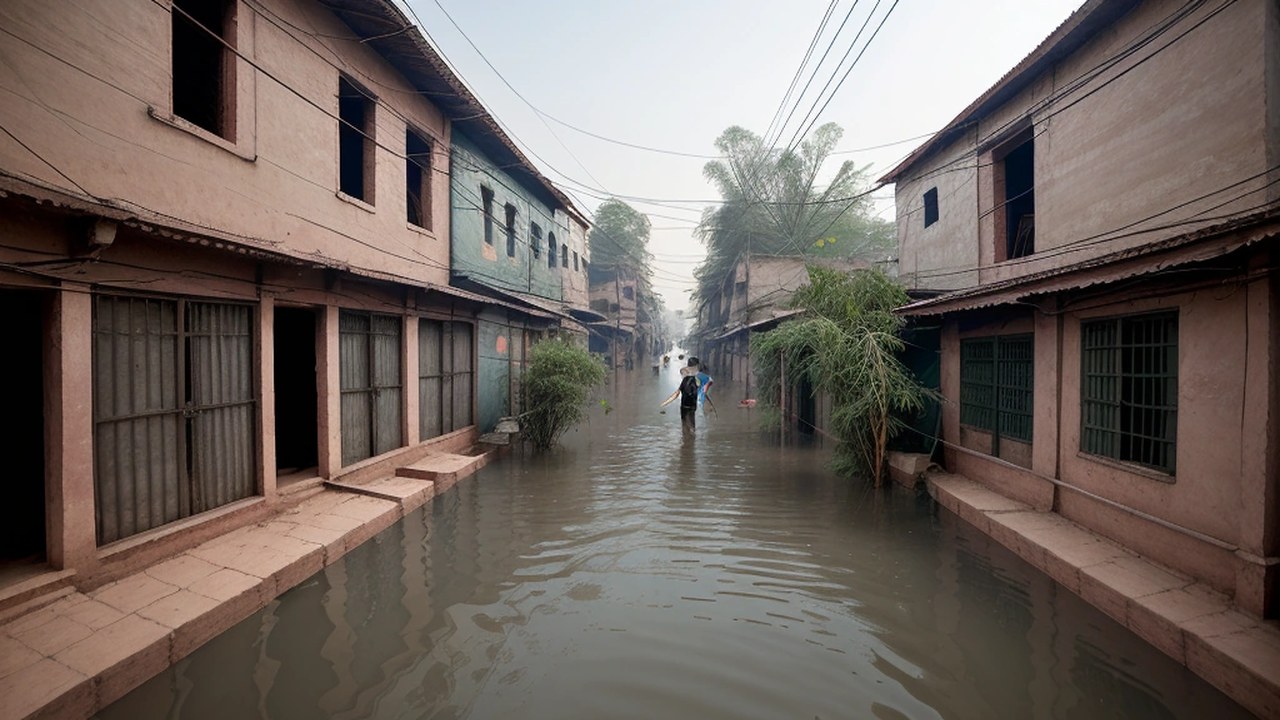
Reverse flow from a high Ganga pushed water back up the Varuna on Wednesday, lifting levels in low riverside pockets even as many households had only started cleaning after the earlier flood pulse.
Local reports from the Pulkohna belt said water had again entered or pressed against houses near the small mosque stretch at Akram and around Jawahar Lal and Kutubuddin localities. Daniyalpur, Panchkoshi, Rupanpur and Salarpur also saw the Varuna edge climb, sending people to look for higher ground or to shift belongings upstairs.
The mechanism is familiar to anyone who lives where the Varuna meets the Ganga. When the main river stage sits high, the tributary cannot drain freely. Water backs up into nalas and low lanes. A pause or fall at the Ganga gauge does not always mean immediate relief on the Varuna banks; the reverse push can linger for hours after the main stem flattens.
District flood monitoring on Wednesday linked the fresh discomfort along the Varuna to the elevated Ganga stage recorded through Tuesday into Wednesday morning. National Disaster Response Force and local administration teams have been told to keep watch on the listed pockets. Residents have been asked not to re-enter fully flooded rooms until the water drops and electrical fittings are checked.
For families who swept mud out of courtyards only a day or two earlier, the second rise is the harder part of the season. Bedding and grain bags moved upstairs once are moved again. Children are kept indoors. Motorcycles are rolled onto higher plinths. None of that makes for dramatic footage, but it is the daily cost of a reverse-flow week.
Officials have not declared a new city-wide emergency on the Varuna alone. The focus remains practical: track the Ganga stage, watch the Varuna banks, keep drainage mouths clear where silt allows, and warn low colonies early. Upstream easing at Prayagraj is being watched for a later fall that could relieve Banaras, yet that relief reaches the Varuna only after the Ganga drops enough for the tributary to run out again.
Civic teams working the Pulkohna and Salarpur stretches say the immediate need is continuous checking of water at doorsteps and safe movement for elderly residents. Temporary shifts to relatives on higher ground remain common when the lane floods overnight. Shopkeepers on slightly raised platforms have been stacking goods on tables and waiting for the afternoon reading before deciding whether to open fully.
School routes through the worst lanes are being watched by parents who prefer a longer dry walk over a short wade. That choice is local and unofficial; it simply reflects how reverse flow turns ordinary streets into slow channels for a day or two.
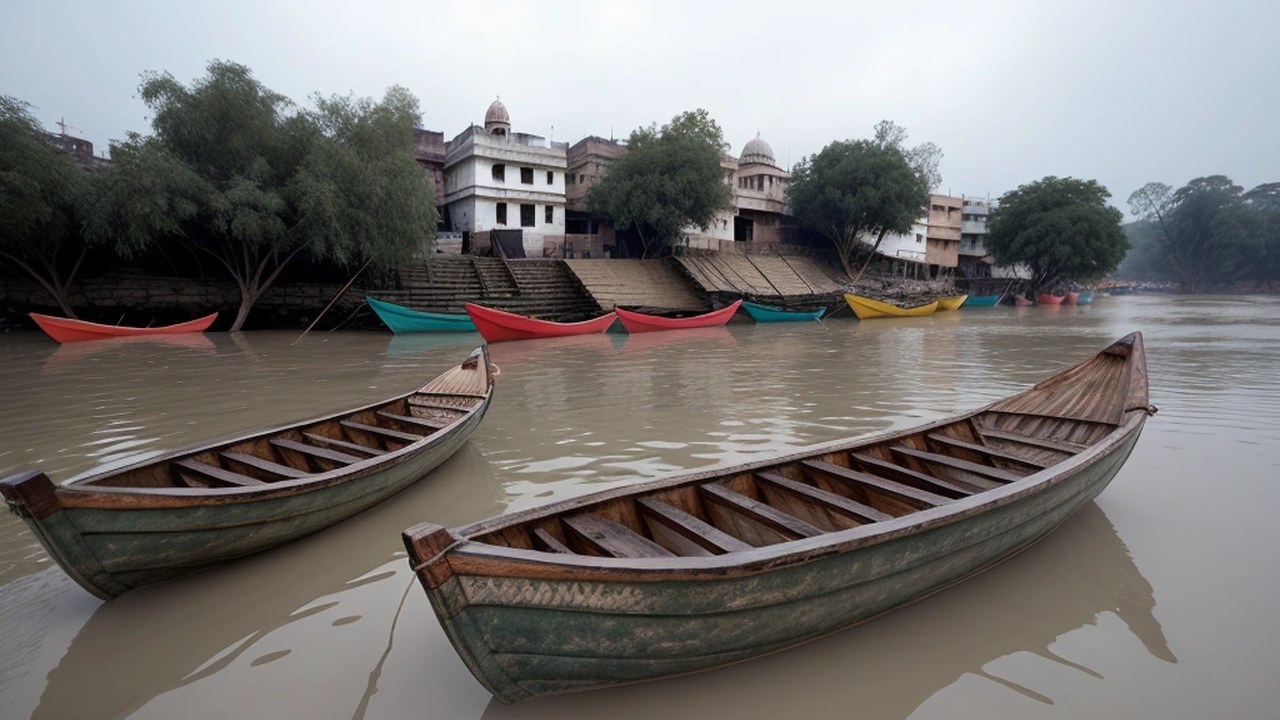
Wednesday's picture is therefore split. On the main ghats the Ganga held near 68.36 m with boats still banned. A few kilometres inland along the Varuna, reverse flow turned that same high stage into wet floors and anxious nights. Until the Ganga falls clearly, those riverside pockets stay on the watch list.
Sources and reporting
Based on district flood-monitoring reports for Wednesday 30 September linking reverse flow in the Varuna to the elevated Ganga stage, and local administration alerts for riverside pockets including Pulkohna and adjoining localities.
Related Stories
Five Held in Mughalsarai Cyber Fraud Aimed at Japanese Victims
Railways Clears Banaras–Prayagraj Rambagh MEMU Pair
MLC Forms Reach 30 Over Two Days; Still No Papers Filed
Ganga Steady at 68.36 m; Boat Ban Holds Through Pitru Paksha

Police Arrest Man Posing as Sub-Inspector Near Pandeypur