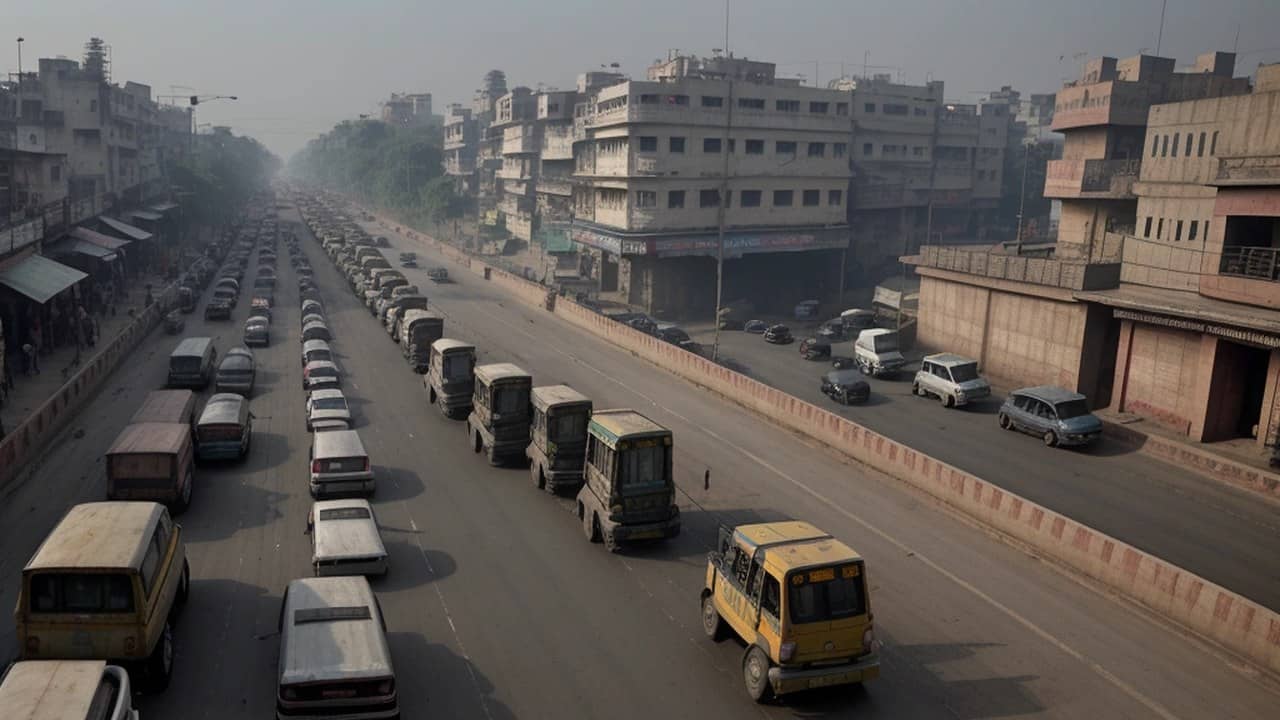
Four Varanasi corridors have been choking daily for roughly a month and a half as road works and debris squeeze traffic, stretching trips that once took about ten minutes to twenty-five or thirty minutes for car users, especially on the Lahartara belt.
On Lahartara, daytime movement of JCBs and other construction vehicles is choking the carriageway from morning. Residents and daily commuters say loose debris is often left on the blacktop, narrowing the usable width. Ambulances and other essential services are among those slowed. Shopfronts along the stretch lose customers who refuse to sit in idle queues.
Near the Andhrapul underpass, a dug and barricaded section has left a thinner lane for vehicles coming from Nadesar, producing long daytime queues. On the Manduadih flyover approaches, construction pressure on both sides of the road creates a jam-like crawl, worse after school closing hours when Lahartara–Manduadih traffic peaks. Passengers trying to reach Banaras railway station on time have reported missing comfortable margins for trains.
The Akhari–Bareka stretch adds a different problem: waterlogging and a surface that drivers call barely motorable. Complaints reach traffic police regularly. Public Works Department patching and a sanctioned road budget exist on paper, but officials indicate fuller repair waits for a clearer post-rain window, leaving road users on the same broken alignment for now. Two-wheelers cut into the remaining gaps; pedestrians get the leftover verge.
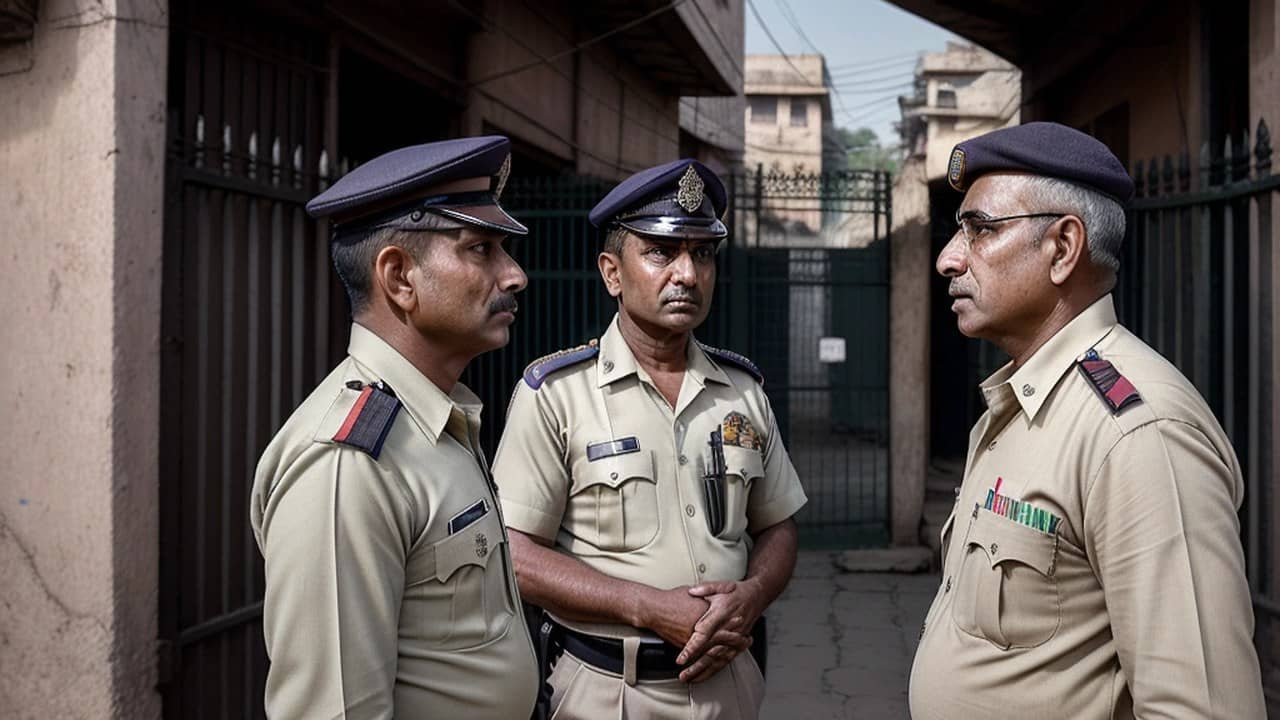
Additional Deputy Commissioner of Police (Traffic) Anshuman Mishra has said the executing agency on Lahartara has been told to organise work more systematically, and that agencies on other affected corridors have also been directed. The statement does not by itself clear the queues; it does show traffic police treating the four-point jam as a coordinated civic failure rather than isolated bad luck.
The congestion sits alongside other corridor projects that already reshape central Varanasi. Sewer and storm-drain sequencing on the Dalmandi widening, described in Dalimss reporting on the Dalmandi rebuild, shows how utility trenching and road work can stack delays even when each project is legitimate on its own. Festival-season drainage inspections covered in the municipal commissioner's recent pump orders add another claim on the same civic bandwidth.
For readers, the practical advice is dull but useful. Leave earlier for Cantt or Manduadih station runs. Prefer shared transport only if the driver knows the diversion; do not use the wrong-way gaps that open beside barricades. If you drive a patient to hospital from the Lahartara side, build in a half-hour buffer until agencies actually clear debris daily. Delivery apps will not solve a blocked underpass.
School vans crawl. Office cabs renegotiate pickup points. Temporary labour on the works packages sometimes spills into live lanes without a banksman. None of that appears in a single FIR; it appears in every evening argument at the tea stall and in the late arrival logs of private offices toward Sigra and Cantt.
What should happen next is visible housekeeping: debris lifted before the morning peak, night work where lighting allows, and temporary reversible lanes if police and PWD agree. Ward councillors can help by photographing uncleared mounds with timestamps and forwarding them to the same traffic desk that issued Saturday's direction.
Until those steps show on the ground, the four corridors will keep teaching the same lesson. A ten-minute map distance in Varanasi is no longer a ten-minute journey when construction and waterlogging share the same asphalt. Commuters will believe the fix only when the clock on their dashboards shrinks again.
Bus routes that skim these corridors also lose timetable reliability, which matters for students and shift workers who cannot absorb a half-hour slide. Until executing agencies publish nightly clearance logs, the public has only the traffic police direction and its own dashboard clock. Both still say the same thing on Lahartara most mornings: you will be late.
Traffic volunteers at school gates cannot invent road width. Only agencies that dug the trenches can restore it. Parents picking up children on the Manduadih side should treat the post-noon window as a planned delay, not a surprise, until the barricades move.