Varanasi Superspeciality Hospital Project Delayed After Two Design Changes in Three Years
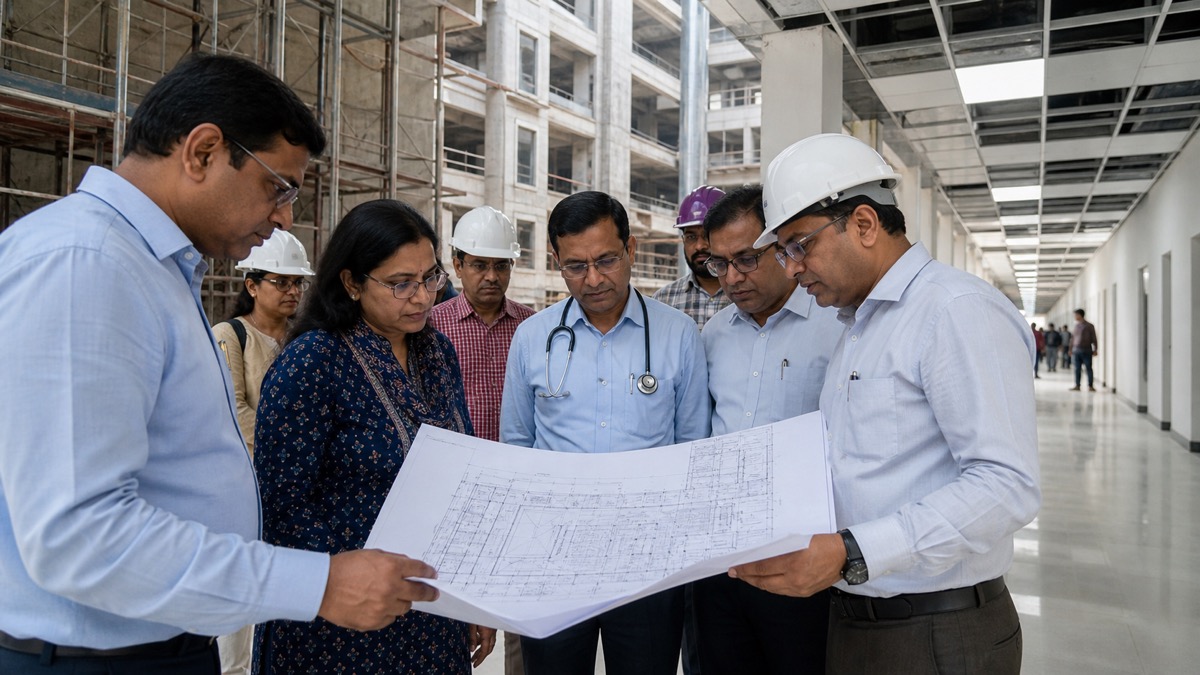
Varanasi: A superspeciality facility planned at Varanasi’s divisional hospital has been delayed after the project design was changed twice over roughly three years. The revisions have pushed back a development meant to expand access to advanced treatment in the public system, leaving patients dependent on existing departments or referrals elsewhere.
Design changes are not necessarily evidence of waste. Hospitals are complex buildings where oxygen lines, infection-control zones, intensive-care access, lifts and emergency movement must fit together safely. A correction made before construction can prevent a dangerous flaw later. The concern arises when basic requirements were not settled at the planning stage, or when each revision restarts approvals without a public timeline.
For patients, the delay is measured differently from an engineering calendar. A family seeking specialised cardiac, neurological or other high-level care may face travel, private fees or a long referral chain. Varanasi serves patients from surrounding districts as well as city residents, so any addition to tertiary capacity has a regional effect. Every missed completion date prolongs pressure on crowded facilities.
Authorities should disclose which elements changed, why the earlier design was inadequate and whether the revisions altered cost or bed capacity. A clear project dashboard could show design approval, tender status, physical progress and expected commissioning. Without that information, the public sees scaffolding and hears changing dates but cannot distinguish a justified technical pause from avoidable administrative drift.
Construction is only one part of commissioning. A superspeciality wing also needs trained doctors, nurses, technicians, equipment procurement, maintenance contracts and patient pathways. If workforce planning waits until the building is complete, a finished structure can remain partly unused. The current delay should be used to align those parallel preparations rather than allow them to become the next bottleneck.
The reported two redesigns offer a chance for an independent technical review before more money and time are committed. Once a final plan is approved, further changes should be exceptional and documented. Varanasi needs a hospital project that is safe, functional and built for long-term demand, but it also needs accountability for the years already spent. The next official update should therefore provide more than a new promise—it should explain the design, the deadline and who is responsible for meeting it.
Patient groups and hospital staff should be invited into the final design review. Nurses understand workflow problems that drawings can hide, while people with disabilities can identify barriers before concrete is poured. A short, structured consultation now could prevent another costly alteration and make the eventual facility more usable from its first day.
Sources and reporting
Based on local public-works and health reporting published on 14 August 2026. The article attributes the two design revisions and delay to that reporting; revised cost and completion dates are not stated without confirmation.
Related Stories

Ramnagar Day Three Follows Vishwamitra Into the Forest and Mithila
Shivpur Ramlila Stages Narad Moh and Kshirsagar Tableau Through Rain
VMC Puts City on Alert for Navratri and Durga Puja Civic Arrangements
Chowk Becomes Varanasi's First Police Station With ISO 9001 Certificate
World Tourism Day: Guides Welcome Visitors; Namami Gange Cleans Namo Ghat