
Varanasi Reviews ₹21,456-Crore Investment Pipeline Across 198 MoUs
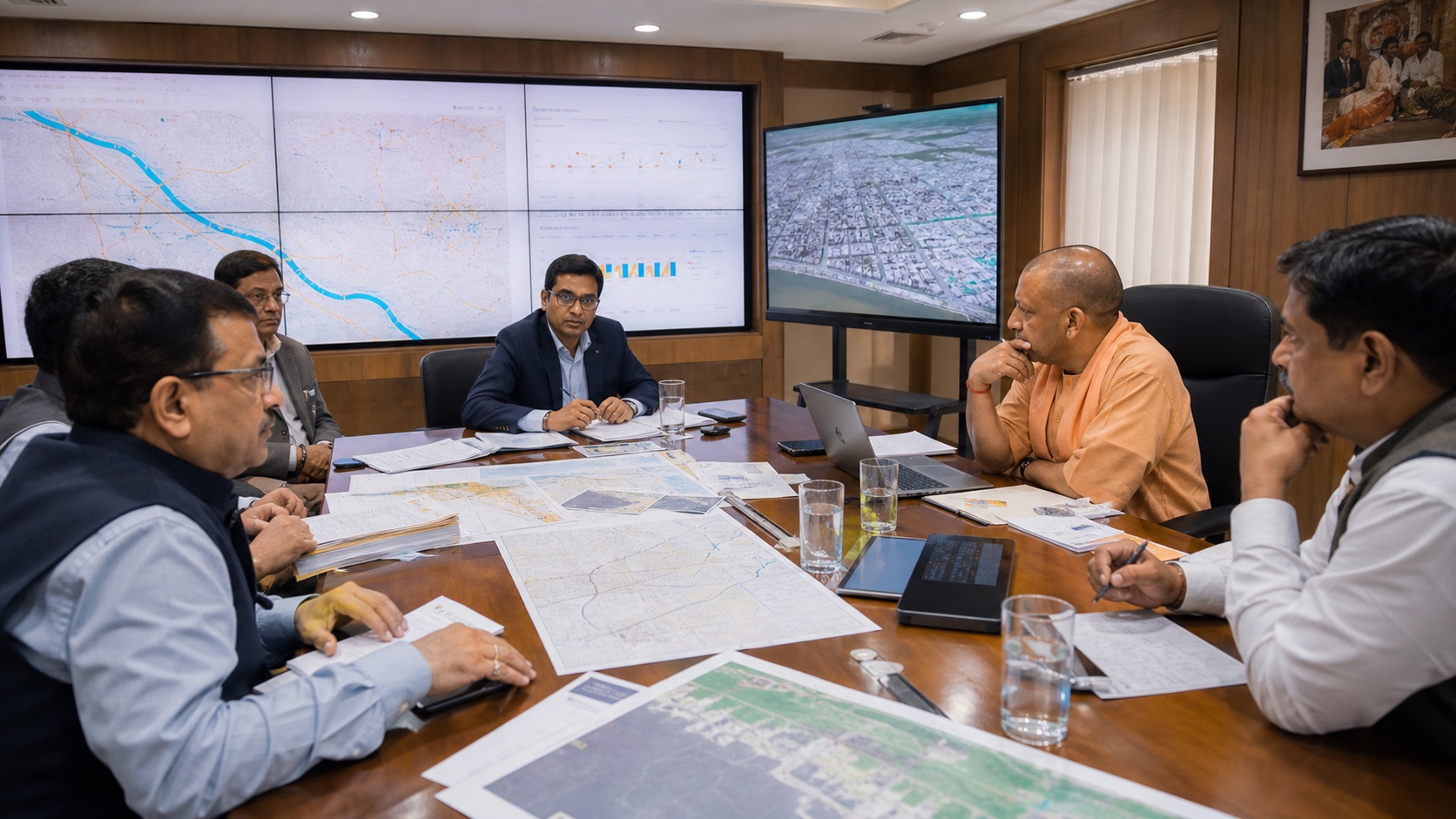
Varanasi district officials have reviewed an investment pipeline comprising 198 memoranda of understanding with a stated value of ₹21,456.42 crore, focusing on how many proposals have moved from signing ceremonies to operating projects. At the review, 98 projects were described as operational, while 25 were reported to be under implementation. Projects already grounded accounted for ₹5,272.54 crore, according to the figures placed before the administration.
The numbers are significant, but they need to be read in layers. An MoU records intent; it is not the same as land purchased, finance closed, machinery installed or workers hired. A grounded project has crossed more practical hurdles, while an operational unit offers the clearest evidence of investment turning into local economic activity. Keeping those categories separate prevents the headline total from doing more work than the underlying projects.
District Magistrate Satyendra Kumar’s review also examined clearances routed through the Nivesh Mitra single-window system. Of 546 applications received during the financial year, 356 had been approved, while one matter under the Uttar Pradesh State Industrial Development Authority was reported beyond the prescribed deadline. Timely approvals matter, but so does the quality of scrutiny: drainage, access, power, pollution control and worker safety cannot be reduced to boxes checked for speed.
Industry representatives also raised concerns connected with the Chandpur Industrial Estate. Older estates often expose the gap between attracting fresh investment and maintaining the roads, drains, electrical capacity and waste systems that existing firms use every day. Resolving those basics may deliver more immediate value than announcing another large proposal, particularly for smaller manufacturers operating on tighter margins.
The district’s location gives it a plausible investment case. Varanasi sits at the intersection of tourism, food processing, textiles, logistics, education and healthcare, with road, rail, air and inland-waterway links. Yet the quality of jobs matters as much as the rupee value. Residents will want to know how many positions are permanent, what skills they require, whether women can access them safely and how local small businesses enter the supply chain.
A credible investment dashboard would therefore track milestones beyond MoUs: land status, statutory approvals, construction, capital deployed, jobs created and the date production begins. The latest review offers a useful snapshot and shows that nearly half the proposals are operating. The administration’s next challenge is to make the rest of the pipeline legible—and to ensure that development is measured in functioning enterprises and decent work, not only in promised crores.
Sources and reporting
Based on figures from the Varanasi district administration’s investment review of 22 July 2026 as reported by The Times of India. No public primary-document URL is recorded.
Related Stories

Festive Special to Gorakhpur Gets Gurugram Halt
Fifth Accused Held in Rs 25 Lakh Sector 47 Robbery

Courier Staffer Booked Over 105 Missing One8 Returns

HC Sets Rs 50 Lakh Costs for Accused's Return to India

Gurugram Swimmer, 20, Crosses English Channel