
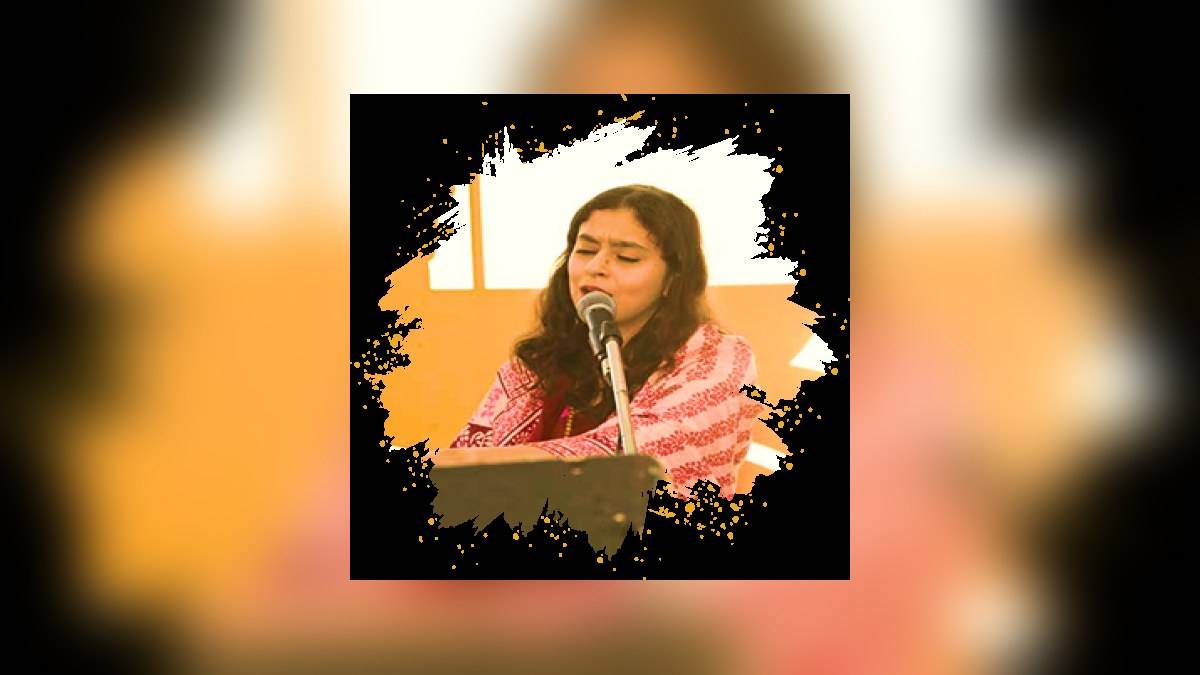
VARANASI: A programme reported on Friday, November 27, 2026, and checked against the organiser's official schedule sets December 4 to 6 for the tenth Mahindra Kabira Festival in Varanasi. Guleria Kothi and Shivala Ghat will host different parts of the event, giving residents two locations to check when choosing a performance or conversation.
The opening reception at Guleria Kothi on Friday, December 4, is marked by invitation only. Its scheduled hours are 6 pm to 10 pm IST. That access condition matters for residents planning an evening visit: the opening should not be treated as an unrestricted public concert simply because it takes place beside the Ganga.
Before making plans, residents should consult the official festival schedule for their chosen date, venue and entry arrangements. The programme separates morning music and daytime discussions at Guleria Kothi from evening performances at Shivala Ghat. The listed timings below are in IST.
Two venues and a programme across three days
The December 4 reception lists Ganga Aarti, a conversation with Umesh Kabir and a tribute to Kumar Gandharva by Kalapini Komkali. The organiser groups these items within the four hour reception rather than publishing a separate clock time for every performance in that dated entry.
On Saturday, December 5, the morning block at Guleria Kothi runs from 7 am to 9 am. It includes classical music on the Shankar Guitar by Dr. Kamala Shankar and Atmaranjan: Music for the Soul by Sveta Kilpady. The venue stays the same for the next listed discussion block, allowing visitors to distinguish that programme from the evening gathering further along the riverfront.
The December 5 discussion is scheduled from 11 am to 12.30 pm at Guleria Kothi. Linda Hess will be in conversation with Sanjoy Roy for a session on Kashi's Nirgun poet, accompanied by songs by Yusra Naqvi. Although grouped under the organiser's afternoon heading, the published starting time is 11 am, so visitors should follow the clock time.
At Shivala Ghat that evening, the 7 pm to 10 pm block brings together Prahlad Tipaniya's Kabir Vani and Nirguna Bhajans, a puppet act by Puppetshala Performing Arts, and Aruna Sairam. These are entries within one evening programme; the schedule does not provide an individual starting time for each artist.
Sunday, December 6, again begins at Guleria Kothi from 7 am to 9 am. The Maharaj Trio is listed for Untouched Music of Banaras. The Aahvaan Project follows within the same morning block with music and musings centred on the question Ae Kabir Tum Kahan Ho?
The Sunday daytime session runs from 11 am to 1 pm at Guleria Kothi. It includes Ud Jayega Hans Akela, The Flight Back Home, by Vedanth Bharadwaj, followed by Unique, but not alone, by Purushottam Agrawal. The closing evening block returns to Shivala Ghat from 7 pm to 10 pm, with Fakirnama by Fakira, another Puppetshala performance and Electro-Kabira by Vasu Dixit Collective.
The organiser also describes a Kabira Art Project exhibition for December 5 and 6 at Shivala Ghat. It brings work by school and college students into the festival alongside established artists. The project page gives November 20 as the submission deadline, so its exhibition dates should not be mistaken for a fresh invitation to submit artwork.
What residents should do
The organiser also lists heritage walks and temple visits on both December 5 and 6. Morning walk entries run from 9.30 am to 10.30 am, while another walk block is listed from 3 pm to 4 pm. Both use Guleria Kothi as the venue in the schedule. Residents interested in these activities should verify their participation arrangements separately rather than infer access from a music listing.
- December 4: invitation only reception, Guleria Kothi, 6 pm to 10 pm.
- December 5 and 6: morning music, Guleria Kothi, 7 am to 9 am.
- December 5: conversation and songs, Guleria Kothi, 11 am to 12.30 pm.
- December 6: daytime presentations, Guleria Kothi, 11 am to 1 pm.
- December 5 and 6: evening music and puppetry, Shivala Ghat, 7 pm to 10 pm.
The festival's broader experience description includes boat rides, heritage walks, temple visits, craft and food experiences alongside music and discussion. Those descriptions outline the festival's activities; they do not establish that every activity is available to every visitor without registration. The schedule and the organiser's participation information should be read together.
For context on other recent cultural programmes along the riverfront, see our earlier reports on the November 29 Kathak festival at Assi, the Ganga Mahotsav artist programme at Namo Ghat and the November relic display in Sarnath. Each has its own dates and arrangements; the Kabira schedule applies specifically to the December event.