
Varanasi HIV Programme Earns ‘Saksham’ Recognition After NACO Review
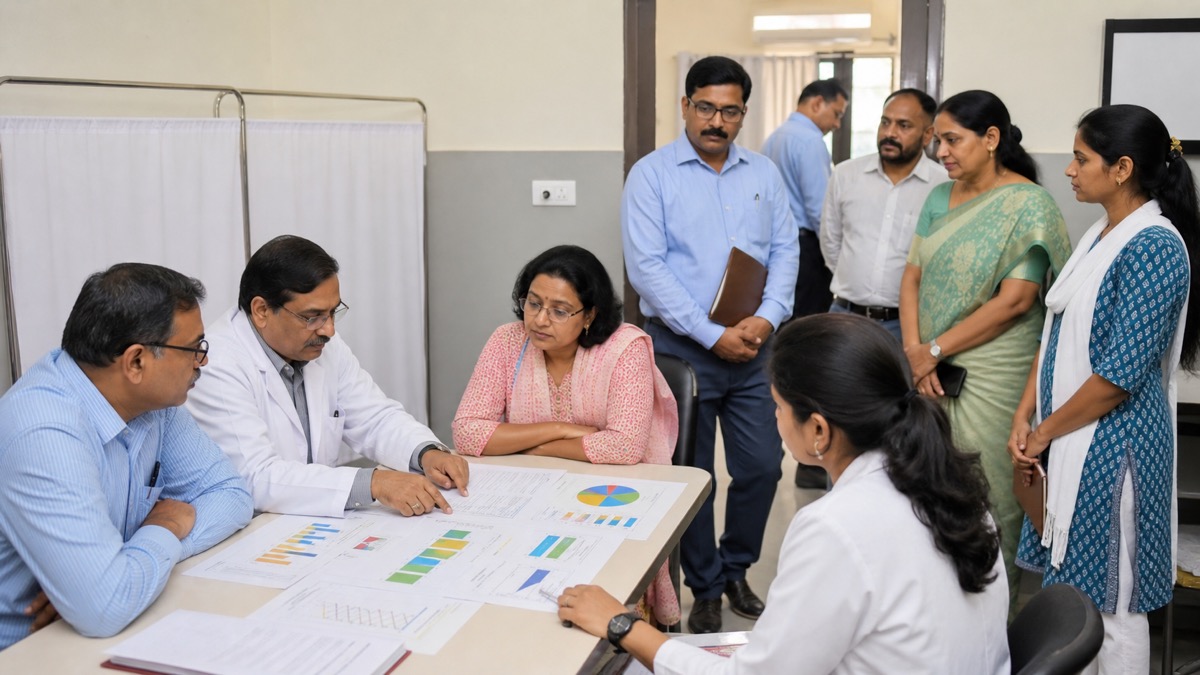
Varanasi: Varanasi’s HIV-control programme has received positive recognition following an inspection by a deputy director general of the National AIDS Control Organisation, with local performance described under the “Saksham” banner. The review highlights progress in service coordination, but public-health success will depend on whether testing, treatment and prevention remain accessible without stigma.
HIV programmes are judged through a chain of care. People at risk need confidential testing; those who test positive require confirmatory diagnosis, counselling and timely antiretroviral treatment; and patients already in care need reliable medicine and viral-load monitoring. A strong result at one point can be undone if people are lost between services.
An external inspection can help identify whether records match reality. Reviewers may examine testing centres, treatment linkage, blood safety, outreach and coordination with community organisations. Data quality matters because a high number on a dashboard is useful only if duplicate records are removed and missed follow-ups are honestly counted.
The “Saksham” recognition should therefore be treated as encouragement, not a declaration that the challenge is over. HIV remains surrounded by misinformation. People may avoid testing because they fear disclosure, moral judgment or discrimination at work and home. Staff training and private consultation spaces are as important as laboratory capacity.
Varanasi’s role as a regional medical centre means services may be used by residents of several districts and by people who move frequently for work. Flexible refill arrangements, clear referral pathways and counselling that respects gender and sexuality can keep more patients in treatment. Prevention work must also reach young people and high-risk communities in language that is factual rather than frightening.
The most meaningful measure of the programme will be continuity after the inspection team leaves. Medicine stock-outs, breaches of confidentiality or missed follow-up can quickly reverse trust. Authorities should publish aggregate outcomes while protecting every patient’s identity and should involve community networks in identifying service gaps. Recognition is valuable when it reinforces a public promise: anyone seeking an HIV test or treatment in Varanasi should receive competent, confidential care without being reduced to a label.
Programme leaders should make grievance channels visible at every testing and treatment site. Patients need to know how to report a medicine shortage or confidentiality breach without fearing retaliation. Regular community feedback, reviewed alongside clinical data, would show whether the programme is not only efficient on paper but trusted by the people it exists to serve. That trust is itself a prevention tool, because people use services earlier when they expect respect.
Sources and reporting
Based on public-health reporting published on 14 August 2026 about a NACO deputy director general’s inspection and Saksham status. No patient data is used, and recognition is not presented as elimination of HIV transmission.
Related Stories

Ramnagar Day Three Follows Vishwamitra Into the Forest and Mithila

Shivpur Ramlila Stages Narad Moh and Kshirsagar Tableau Through Rain
VMC Puts City on Alert for Navratri and Durga Puja Civic Arrangements

Chowk Becomes Varanasi's First Police Station With ISO 9001 Certificate

World Tourism Day: Guides Welcome Visitors; Namami Gange Cleans Namo Ghat