
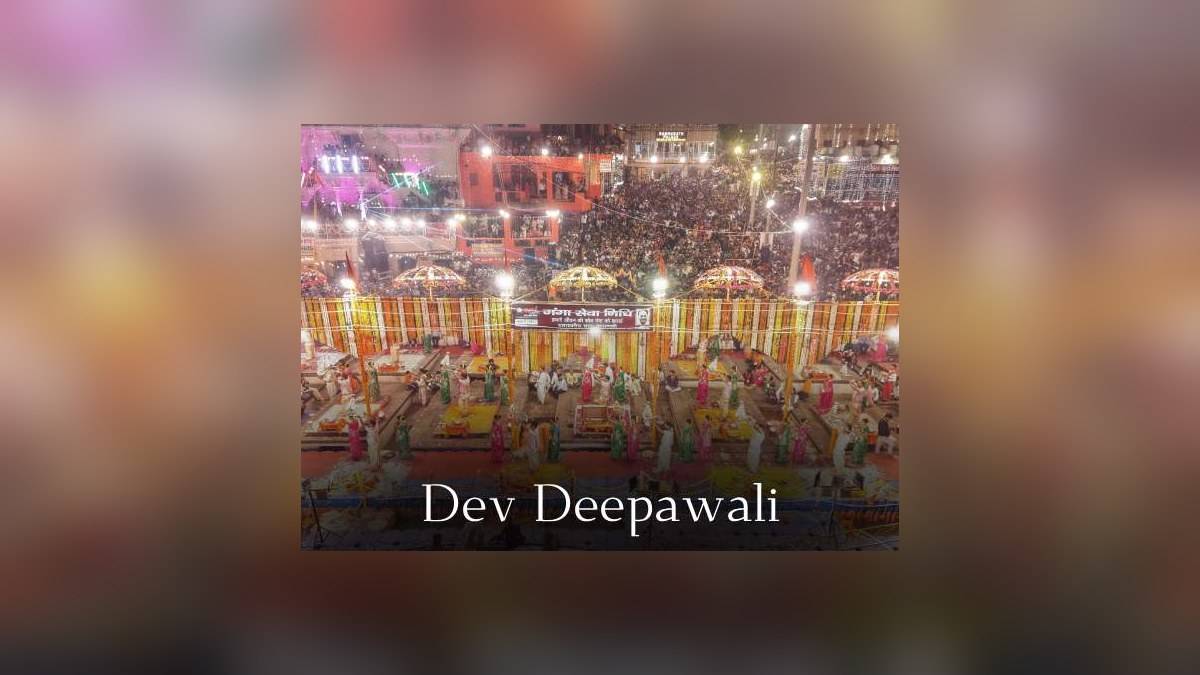
VARANASI: Ganga Seva Nidhi announced support for the schooling of children from families honoured at its Dev Deepawali ceremony at Dashashwamedh Ghat on Tuesday, November 24, 2026. The commitment covers Classes 6 to 12 and was reported after the evening's Ganga Aarti. This is a new commitment from the ceremony, which followed the festival preparations, River Indie electric scooter price starts at Rs 1,61,699 in Karnataka.
Four families received the Bhagirath Shaurya Samman at the riverfront ceremony, with a cheque of Rs 1 lakh presented to each. The schooling commitment applies to children of the personnel honoured through the award. Local reports of the completed programme confirmed the assistance alongside the aarti, tributes and river-conservation message.
For residents returning to Dashashwamedh and neighbouring Rajendra Prasad Ghat after the festival, the organiser's practical message remains the protection of the river and its banks. Visitors should put waste in collection facilities and follow the organiser's appeal to avoid soap and detergents when bathing in the Ganga. Its official Ganga Seva page sets out those continuing cleanliness activities.
What changed at Dashashwamedh
The school support was announced alongside the established award presentation. The four honoured personnel were from the Railway Protection Force and the Central Reserve Police Force. The commitment extends through completion of higher secondary education, giving the families a specified educational stage to which the undertaking applies.
The ceremony also included tributes at a 20-foot replica of the Amar Jawan Jyoti. Armed forces and security officials offered flowers, and personnel from the 39 Gorkha Training Centre presented the Last Post and a Guard of Honour with their band. The organiser's account of the Bhagirath Shaurya Samman describes the award as its way of honouring defence personnel who died in service.
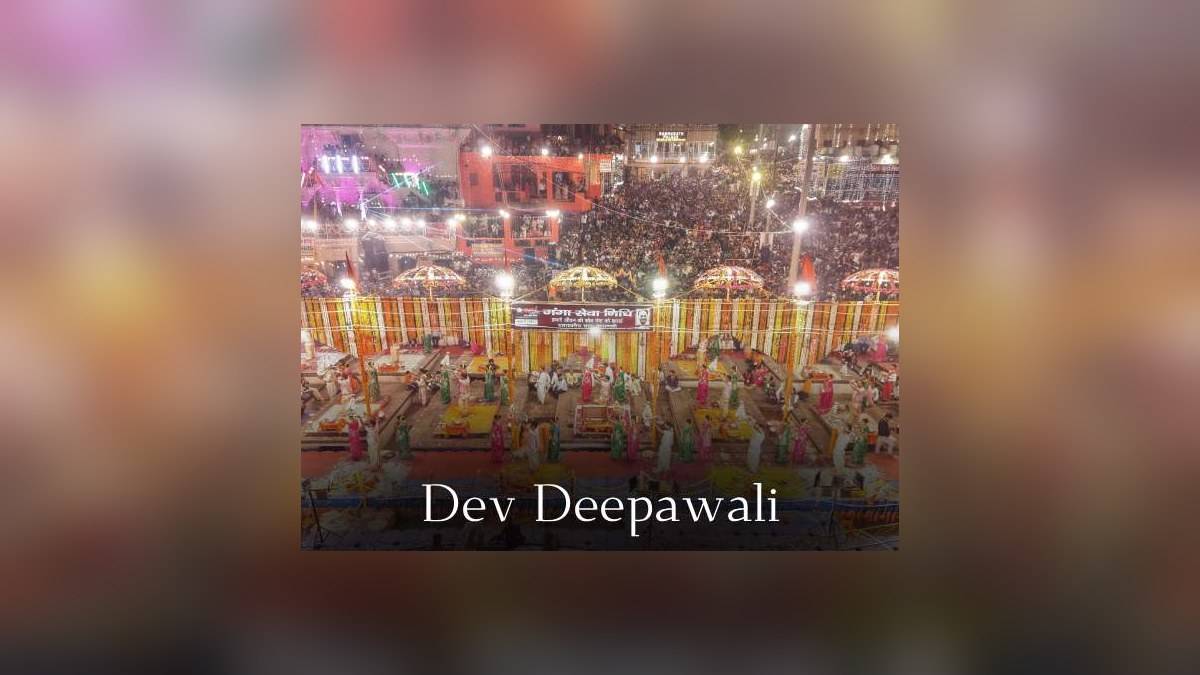
Ganga Seva Nidhi's aarti brought together 21 priests and 42 girls, while 51,000 earthen lamps illuminated Dashashwamedh and adjoining ghats. Those figures refer to this stretch and ceremony. Reports of the wider city's celebrations separately described illuminated ghats along the Ganga, the Varuna riverbanks and ponds elsewhere in Varanasi.
For the gathering at Dashashwamedh, arrangements included medical teams, ambulances and a water ambulance from the 11th Battalion of the National Disaster Response Force. Reports of the programme also listed 150 volunteers from Ganga Seva Nidhi and 100 from Bharat Sevashram Sangh, supported by 30 CCTV cameras at the event.
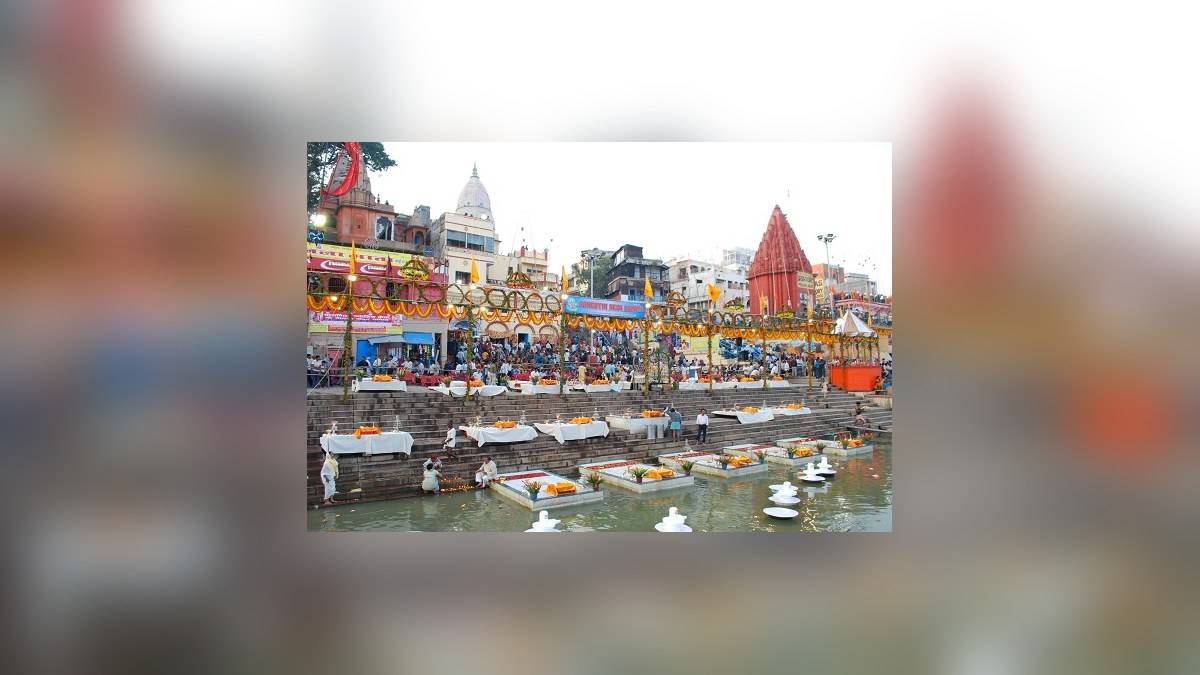
The riverfront celebration took place
The completed festival drew residents, pilgrims and visitors to the riverfront on Kartik Purnima. Dashashwamedh was one of several prominent locations, alongside Namo Ghat, Assi Ghat and Lalita Ghat. Live broadcasts from those locations also carried the celebrations to people watching away from the river.
Across the 84 Ganga ghats, rows of lamps accompanied the traditional aarti and cultural performances. Residents and volunteers joined the lamp lighting. At Chet Singh Fort, the Kashi Katha presentation used the historic facade for narrated religious stories, followed by a laser display. The programme included stories associated with Ganesha, Shiva and Parvati, Vishnu and the Ganga.
The evening also included musical green fireworks opposite Lalita Ghat. These were part of the completed November 24 celebrations, following the preparation and inspection reports published before the festival. The sequence of performances and lamp lighting gave visitors several viewing locations along the riverfront.
An official release from the Prime Minister's Office, issued at 10.35 pm IST on November 24, confirmed that glimpses of the Varanasi celebrations had been shared publicly. It provides a dated official record of the event having taken place.
What residents should do
Ganga Seva Nidhi used its Ek Sankalp Ganga Kinare campaign during the ceremony to encourage a pledge for a clean river, environmental protection and water conservation. Its continuing programme includes anti-pollution camps, poster exhibitions, discussions and workshops, alongside cleaning work at Dashashwamedh Ghat.
The organiser says its volunteers collect waste from the water, including flowers, polythene and plastic, using boats, nets and sticks. It also describes washing the ghats, training volunteers to maintain cleanliness and encouraging tree planting on the riverbanks. Those activities give residents specific ways to support the conservation message beyond the festival evening.
Its religious and spiritual programmes page connects the regular sunrise yajna and evening aarti at Dashashwamedh with collective work for society, the environment and Varanasi's heritage. The November 24 pledge sits within that continuing work.
People planning another ghat visit can use the earlier reports on Varanasi Dev Deepawali plan adds 7:20 pm display and eight aarti ghats and Varanasi ghat cleanup: bins return in November 21 cleanliness drive as dated background. For a fresh visit, check current access arrangements separately from the special festival programme that has now taken place.