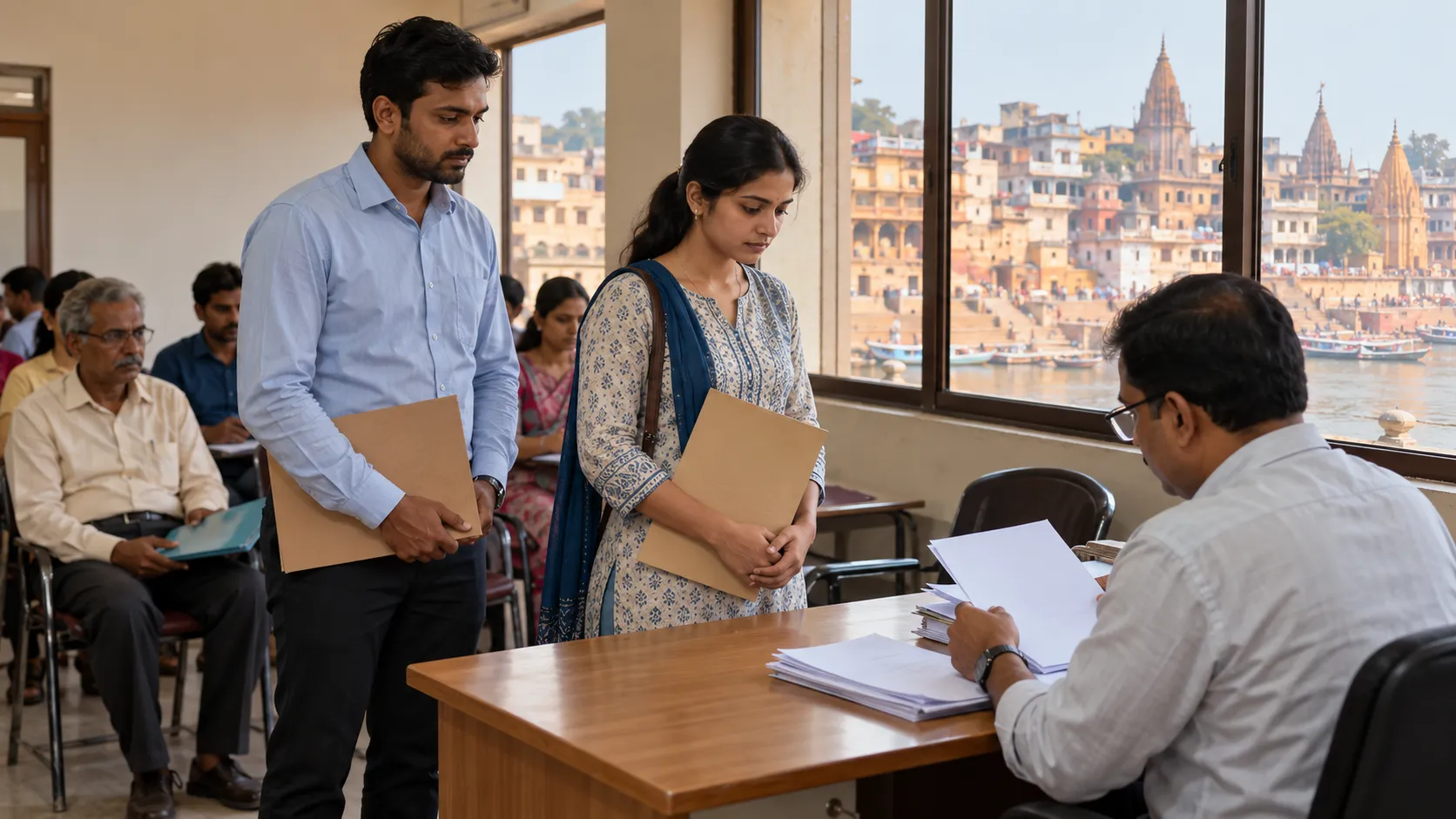
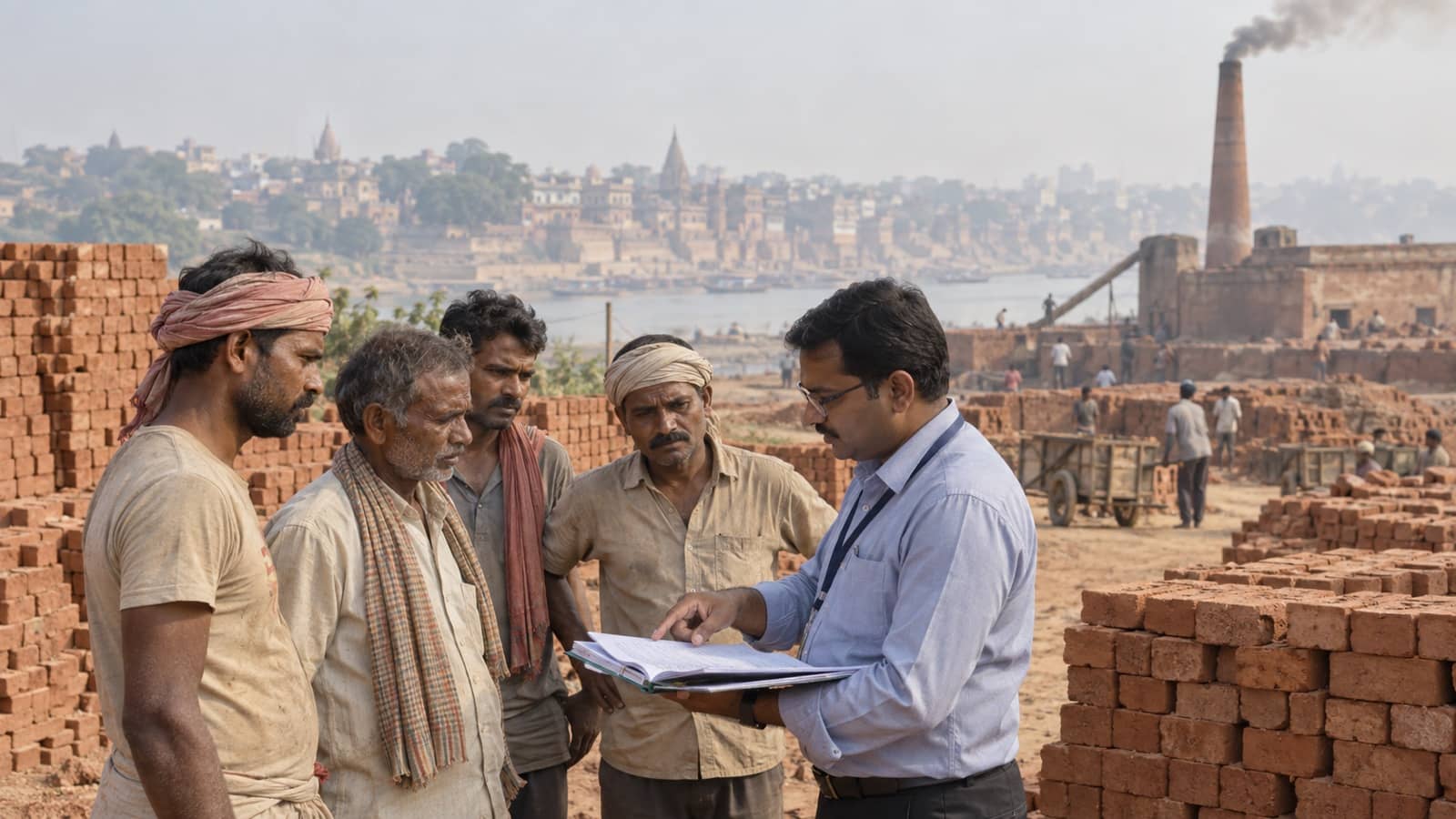
VARANASI: Brick-kiln operators meeting in Kapsethi have asked authorities to simplify the lawful process for obtaining soil and make pollution-licence requirements easier to navigate, arguing that the present system creates practical difficulties for local businesses.
The meeting was organised by the brick manufacturers' association and brought together operators from the district. Harishankar Singh and Satyendra Yadav said a smoother procedure would help kilns operate more predictably. Participants discussed environmental standards, licences and soil extraction, with a long list of local business owners attending.
The demand for simplicity should not be confused with a demand for weaker safeguards. Brick kilns affect air quality, topsoil, road traffic and working conditions. Permission systems exist because unregulated excavation can strip productive agricultural land and poorly controlled combustion can expose nearby communities and workers to harmful emissions.
At the same time, a rule that is difficult to understand can encourage dependence on middlemen without improving compliance. Authorities can respond by publishing a single checklist that shows which department approves soil removal, what land records and consent are needed, how quantity is measured, which fees apply and how long a complete application should take. Applications and inspection findings should be trackable.
Pollution-control requirements should also be specific. Kiln owners need to know the technology standard, chimney and fuel conditions, monitoring schedule and documents required for renewal. If a unit fails, the notice should identify the defect and the corrective deadline. Vague objections leave room for inconsistent enforcement.
Operators have responsibilities beyond the licence counter. Soil should come only from authorised sites and within approved depth and quantity. Vehicles carrying earth and finished bricks must be covered and should not damage village roads through overloading. Workers need protective equipment, drinking water, wage records and freedom from debt-based coercion. Seasonal migrant families also require access to schooling and health services.
The association could strengthen its case by adopting a shared compliance register and offering technical sessions on cleaner kiln designs. Collective purchasing of testing or consultancy services may reduce costs for smaller operators. Publicly identifying compliant units would reward businesses that invest in improvements.
No official response to the Kapsethi demands was included in the source report. The next useful meeting should therefore include the mining, revenue and pollution-control authorities, with questions and answers recorded in writing.
Varanasi needs bricks for housing and infrastructure, but it also needs breathable air and protected farmland. A transparent system can serve both goals: fewer procedural traps for legitimate operators, and firmer action against units that bypass environmental and labour rules.