Ten Arrested After Fake Marriage Bureau Call Centre Busted In Varanasi
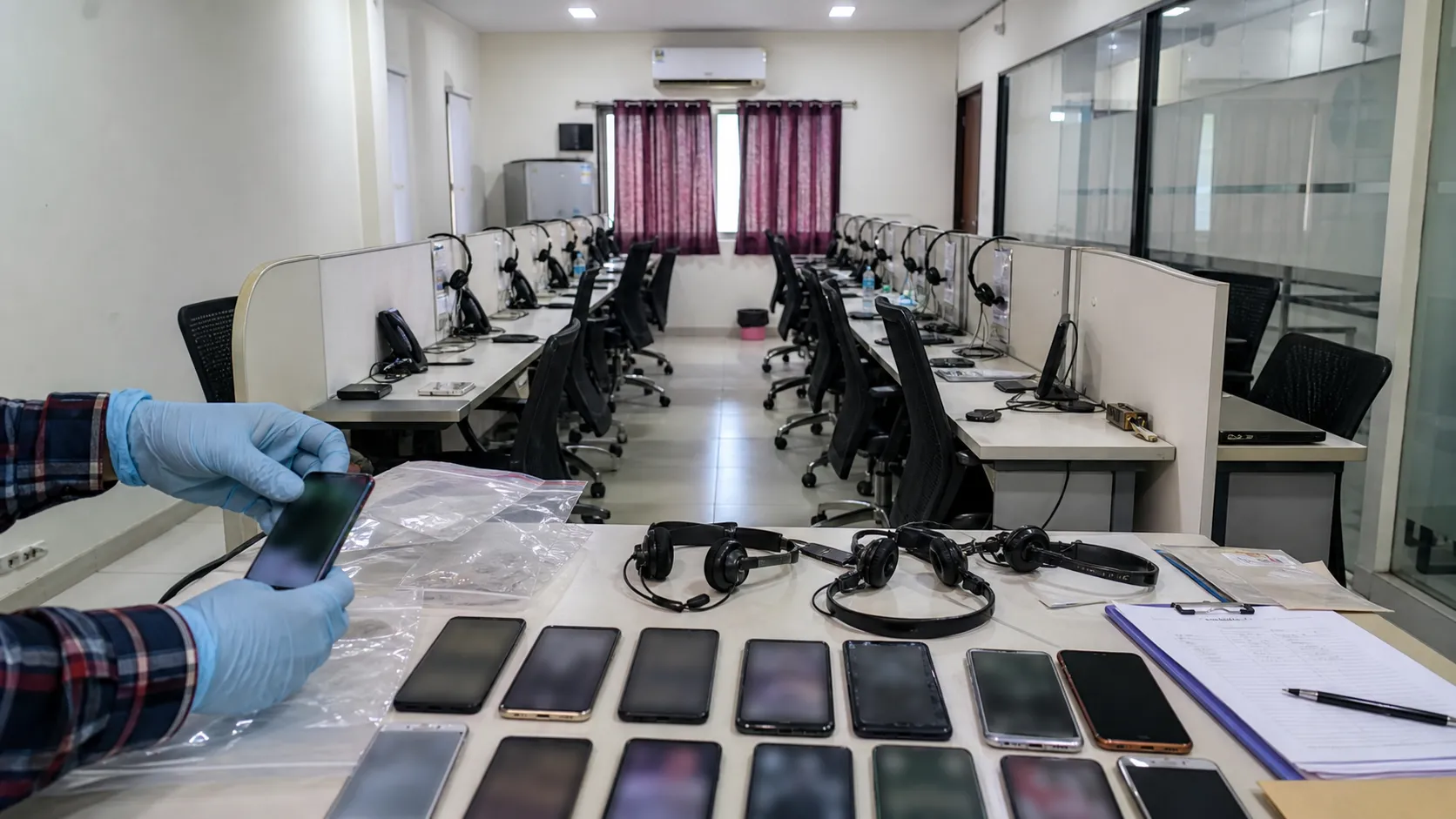
VARANASI: Cantt police have arrested ten women after busting an alleged fake marriage-bureau call centre in the Orderly Bazar area, bringing attention to a form of online fraud that exploits both money and personal trust.
The action was taken under the city police’s ongoing cyber-crime drive after complaints linked to matrimonial services were examined. Investigators traced the operation to a property in Vindhyavasini Nagar colony, where callers allegedly contacted people who had responded to websites or social-media advertisements.
Police said prospective clients were promised help in finding a suitable marriage partner and then asked to pay registration or service charges. After receiving money, the operators allegedly stopped responding or continued the conversation through fabricated profiles. The police estimate mentioned so far is about ₹10 lakh in online payments, though the full scale of the operation is still being investigated.
Officers seized 27 mobile phones, documents containing details of potential victims, bank information and suspected fake identity papers. Those items will now be examined to identify account holders, call patterns and possible links to other people behind the setup.
All claims remain allegations at this stage. The arrested women are entitled to due process, and the evidence will have to be established before a court. Police have said further questioning and financial analysis are underway to identify additional members and trace the money trail.
Matrimonial fraud is particularly effective because it enters a conversation families already consider private and urgent. A caller may sound professional, use polished photographs and offer apparently suitable profiles. Registration fees can seem small compared with the emotional importance of the service, which lowers a victim’s guard.
Red flags include pressure to pay immediately, repeated requests for upgraded membership, refusal to arrange a verifiable meeting, and profiles that avoid live video or basic identity checks. A platform’s presence on social media does not prove it is registered or accountable. Families should verify office details independently and avoid transferring money to personal accounts.
People should also be cautious with identity documents. Aadhaar copies, salary slips, addresses and family information can be misused long after the original payment dispute. Watermarking a document for a specific purpose and sharing only what is necessary can reduce risk.
Anyone who suspects an online financial fraud should contact their bank quickly and report the transaction through the national cybercrime helpline or portal. Speed matters because funds may be transferred through several accounts within minutes.
The Varanasi case is a reminder that cyber fraud does not always arrive as a technical-looking hacking attempt. Sometimes it appears as a friendly phone call about a deeply personal decision. The best defence is not cynicism about every service, but verification before payment and a refusal to let urgency replace judgement.
Related Stories

Railways Orders Weekly Puja Special 09465 via Varanasi Through November

Hindi Diwas Marked Across BHU, Sanskrit University and Kashi Vidyapith

Lohta Police Register FIR After Bhitari Villager Alleges Hostage Beating

Baragaon Police Book Named Youths After Kazisaray Tea-Stall Assault and ₹1,900 Loot

Mayor Announces Stricter MCG Drive Against Stray Cattle