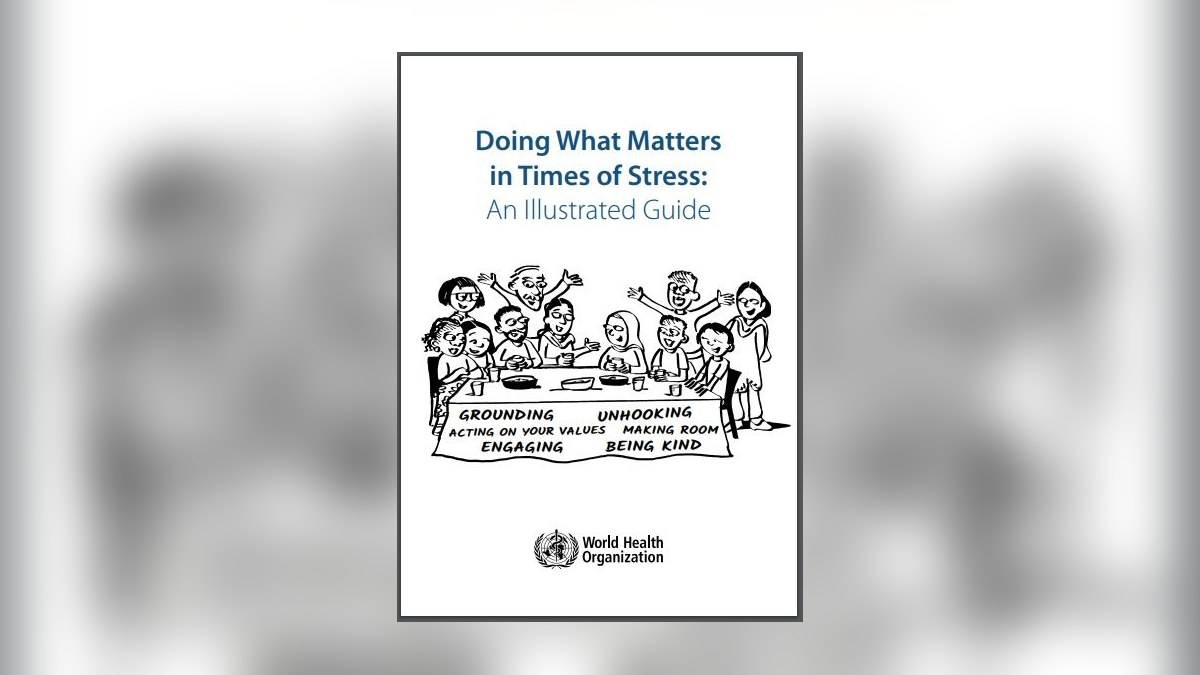
Stress management techniques recommended in WHO's public guide include grounding, unhooking from difficult thoughts, acting on your values, being kind and making room for difficult feelings. The guide says a few minutes of practice each day can help people learn these coping skills. They are everyday self help tools, not a diagnosis, a treatment plan or a promise that difficult circumstances will disappear.
Stress is a natural response to a difficult situation. An exam, family disagreement or uncertain workload can create worry and mental tension. WHO says people respond differently, so comparing your reaction with a friend's is not a useful test of whether you should be coping better. What matters is how you are functioning and whether you need support.
| WHO skill | What the practice focuses on |
|---|---|
| Grounding | Returning attention to your body and surroundings |
| Unhooking | Noticing and naming a difficult thought |
| Acting on values | Choosing a small action that reflects what matters to you |
| Being kind | Responding with care to yourself and others |
| Making room | Allowing difficult feelings without fighting them |
How to practise grounding during a stressful day
The WHO guide Doing What Matters in Times of Stress explains grounding as noticing thoughts and feelings, slowing down, connecting with the body, and refocusing on the world around you. Its summary suggests gently pressing your feet into the floor and noticing what you can see, hear, touch, taste and smell.
You do not need to wait for an especially difficult moment. WHO suggests practising around ordinary activities, such as eating or washing, or during a short wait. For example, before returning to a page of revision, notice the support under your feet and the sounds in the room, then return attention to the next paragraph. That is an illustration of the method, not an examination performance claim.
Keep any movement comfortable. If standing or stretching is difficult, remain supported and focus on sights, sounds or contact with the chair. Stop a movement if it causes pain. The aim is to engage with the present task, not to force a particular sensation or prove that you can relax on command.
What does unhooking from thoughts mean?
In the official illustrated guide, unhooking involves noticing that a thought or feeling has caught your attention, naming it, then refocusing on what you are doing. It does not require you to win an argument against the thought before you can act.
A student worried about unfinished work might recognise that their attention is caught by a fear about the result. Naming that experience creates an opportunity to return to the next manageable task. This example is an application of the guide's approach. It is not evidence that worry is irrational or that a genuine deadline can be ignored.
How values, kindness and making room fit together
Acting on values means choosing how you want to behave and finding one small action consistent with that choice. WHO gives examples such as caring, helpfulness and working hard. A value describes a direction for behaviour. A practical action might be listening carefully to someone, completing one agreed task or asking for help with a workload you cannot manage alone.
Being kind includes noticing harsh self judgement and responding with care. Consider what you would say to someone you care about facing the same problem. The guide treats kindness to yourself and kindness to others as connected. It does not ask readers to pretend that an upsetting event was harmless or acceptable.
Making room involves noticing a difficult thought or feeling and allowing it to be present rather than spending all your energy trying to push it away. WHO uses changing weather as an illustration. The purpose is to leave room for useful action alongside discomfort, not to accept an unsafe situation or dismiss a health symptom that needs assessment.
WHO's public overview of the five skills brings these practices together. You can learn them gradually rather than treating the table as a checklist to finish in one sitting. The publication page also lists language versions, including Hindi, and accompanying audio resources for some languages.
Which daily habits can support stress management?
The WHO stress questions and answers page, dated 30 March 2026, recommends a daily routine, enough sleep, contact with trusted people, regular meals and physical activity. It also suggests limiting time following news if doing so increases stress. Pick one practical change that fits the day you actually have.
For someone with an unpredictable timetable, that could mean protecting a regular meal break or agreeing a time to talk with a friend. These are examples of putting the guidance into practice. No routine can remove every outside pressure, and difficulty maintaining one should not become another reason for self criticism.
When should you seek help for stress?
WHO says persistent stress related difficulties can affect daily functioning, including school and work, and recommends support from a trusted health care provider when coping becomes difficult. If you have an existing physical or mental health condition, consult a qualified doctor about symptoms and suitable support. New or worrying symptoms should not automatically be attributed to stress.
Related guides explain building a sleep routine, walking and weekly activity and breaking up long periods of sitting. Use the WHO skills as a practice you can revisit, while getting personal help when everyday coping is no longer enough.