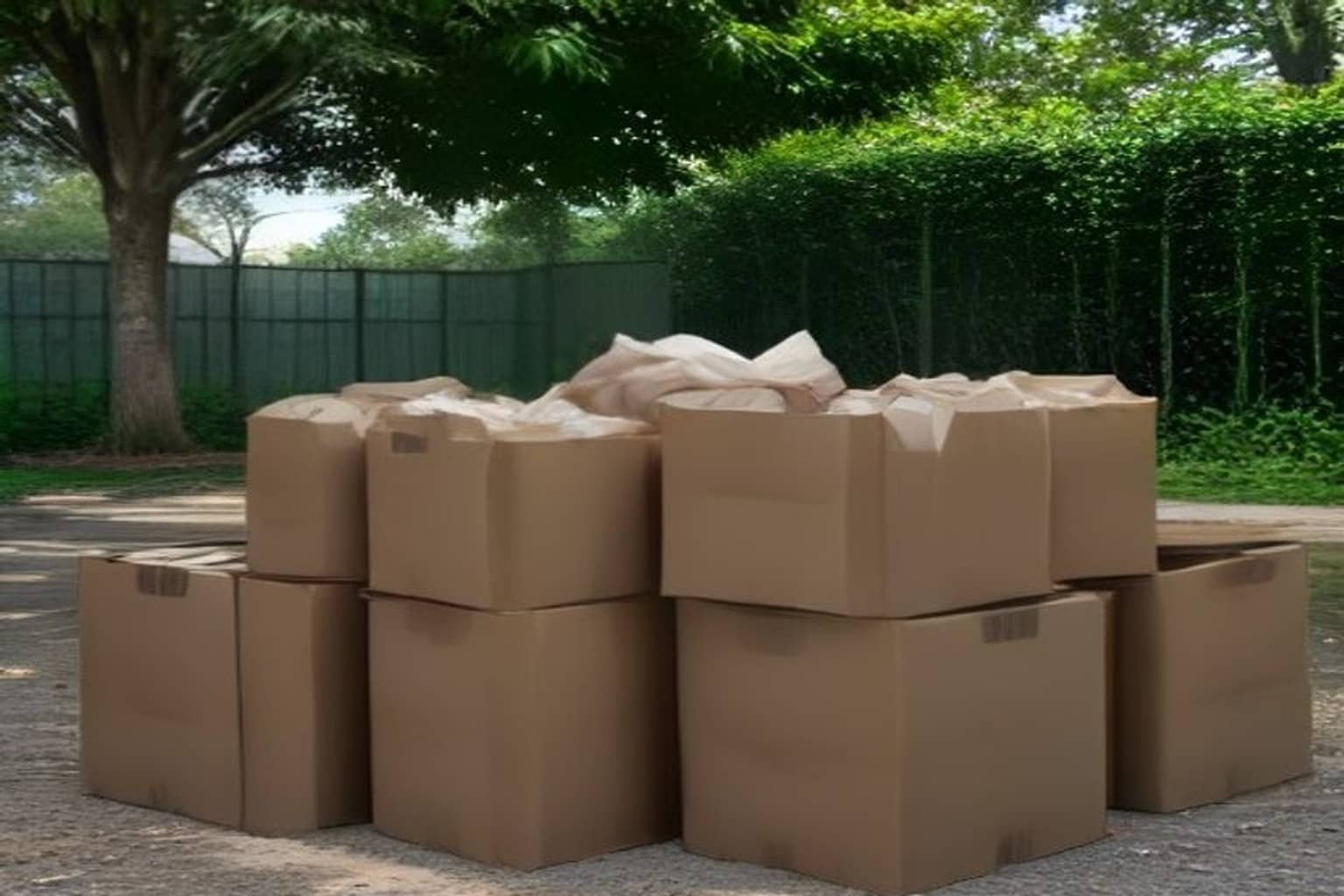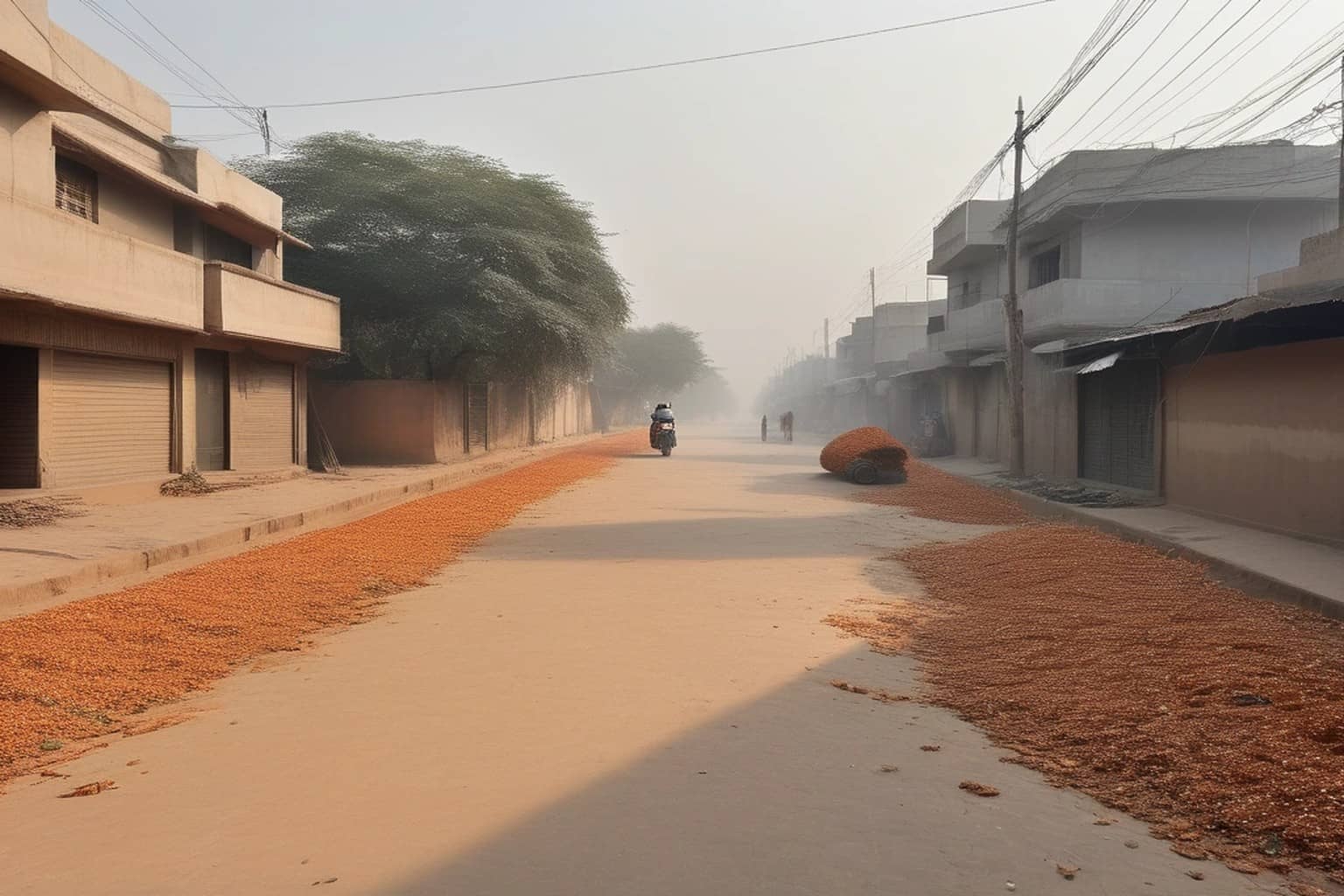
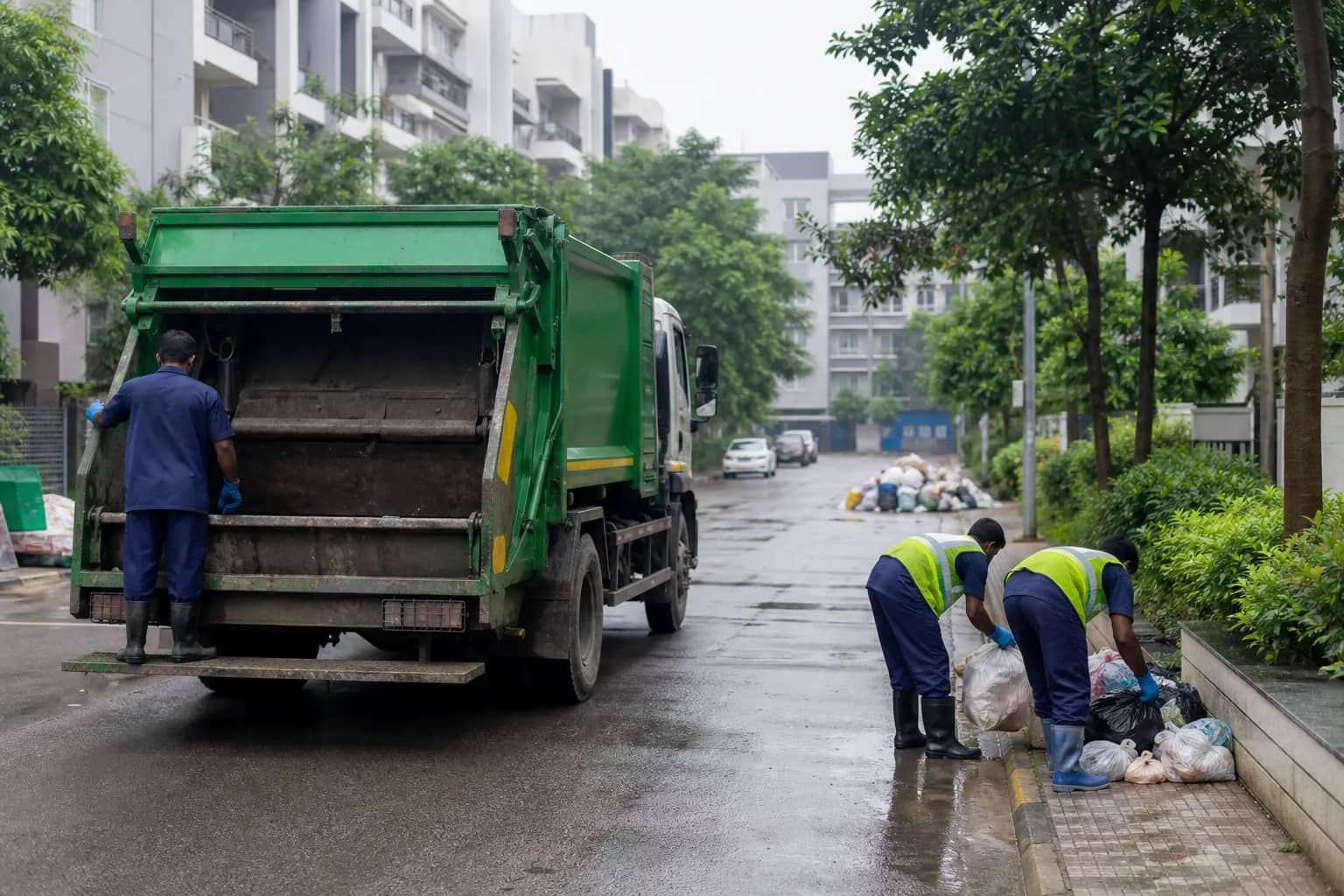
GURUGRAM: Gurugram has spent nearly Rs 35 crore on garbage collection, sweeping and related sanitation services since April 2025, yet waste continues to collect on roadsides, in vacant plots and outside neighbourhood collection points. Municipal officials now acknowledge that a cycle of short contracts has prevented the city from building a stable door-to-door system.
Of the expenditure recorded through July 2026, about Rs 22.5 crore went to door-to-door collection and Rs 12.5 crore to road sweeping and other sanitation work. The figures show that the present breakdown is not a simple absence of funding. It is a procurement and operating model that pays repeatedly for service periods too brief to encourage serious investment.
MCG joint commissioner for the Swachh Bharat Mission, Preetpal Singh, has said contractors hired for limited terms are reluctant to buy the vehicles needed for dependable collection. The corporation then has to press agencies to add trucks and manpower after performance slips. By the time a contractor begins to stabilise a route, the next tender or extension may already be looming.
That uncertainty is felt first at the kerb. A missed round means residents or local staff carry bags to an informal point. Animals tear them open, rainwater moves the waste into drains and a temporary pile becomes an accepted dumping spot. The cost of clearing that secondary mess appears under sweeping or special drives, even though reliable primary collection could have prevented it.
A city cannot run on extensions
Longer contracts are not automatically better. A poorly written multi-year deal can lock the city into weak service. The answer is a stable term paired with measurable ward-level obligations: a defined fleet, GPS-backed routes, replacement vehicles, attendance records, complaint-resolution times and penalties that are enforced rather than waived at the first operational dispute.
The tender must also reflect how Gurugram actually produces waste. High-rise condominiums, plotted colonies, urban villages, markets and construction corridors do not need identical collection plans. Routes should be designed around local volume and access, while bulk generators must segregate and process waste under the rules instead of quietly shifting the burden to municipal trucks.
Payment data should be visible enough for councillors and residents to compare a contractor's bill with its output. That means publishing monthly vehicle deployment, tonnes collected, missed-route complaints and the destination of wet, dry and reject waste. Without this chain, door-to-door collection can move a pile out of sight without proving that segregation or lawful processing occurred.
MCG's diagnosis is useful because it moves the conversation beyond blaming individual workers or residents. The corporation now needs to finish the long-term tender, protect the transition between agencies and prevent another service vacuum while procurement runs. Gurugram's garbage problem will not be solved by one clean-up weekend. It will be solved when the same lane is collected on schedule every day, regardless of which contract file is moving through the municipal office.