Sevapuri Seminar Marks Partition Horrors Remembrance Day With Call for Historical Learning
Varanasi: A seminar in Sevapuri marked Partition Horrors Remembrance Day with a discussion on displacement, violence and the responsibility to learn from history without carrying inherited hatred into the present. Students, teachers and local participants reflected on the human cost of the 1947 division of the subcontinent.
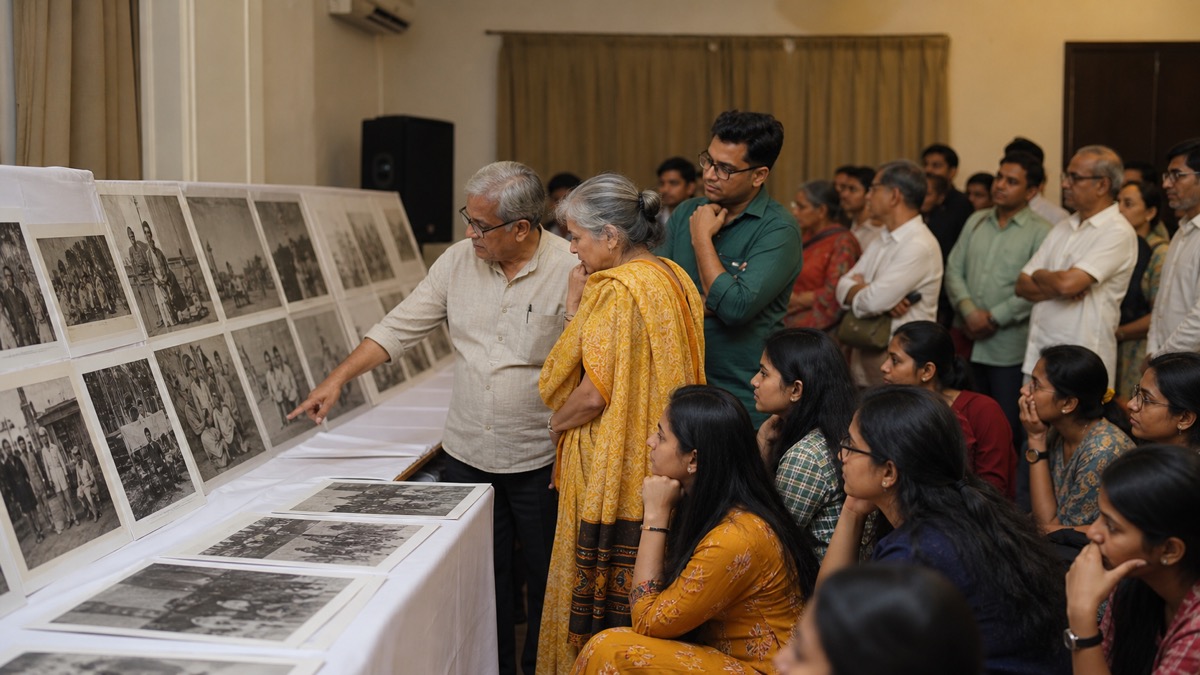
Partition is often taught through dates, borders and political decisions. Family histories reveal another scale: homes left behind, journeys made in fear, missing relatives and communities rebuilt in unfamiliar places. A local seminar can make that history more accessible, especially when students hear oral accounts or examine archival photographs alongside textbooks.
Remembrance requires care. The suffering crossed religious and regional lines, and selective storytelling can turn a memorial exercise into fresh blame. A responsible programme acknowledges victims, discusses the conditions that enabled mass violence and separates historical understanding from stereotypes about people living today.
For young participants in Sevapuri, the most useful questions are not only who made which decision, but how rumours spread, how institutions failed and how ordinary people sometimes protected neighbours despite danger. Those details connect the past to modern civic life. They show why verification, constitutional rights and social trust are not abstract ideas.
Schools and colleges can extend the seminar through local history projects. Students may record family memories with consent, compare maps, read literature from multiple perspectives and learn how archives assess evidence. Oral testimony should be preserved respectfully, with clear permission and an understanding that memory can be vivid without being complete.
The event’s call for unity will matter if it encourages honest study rather than ceremonial repetition. Partition cannot be reduced to a slogan or used to flatten the complexity of millions of lives. Remembering the horrors is compatible with recognising resilience, mutual aid and the possibility of coexistence. In Sevapuri, the seminar offered a space to hold those truths together: to mourn what happened, to examine why it happened and to strengthen the habits that make such rupture less likely in the future.
Future editions should include testimony from women and children, whose Partition experiences were often recorded less fully than political leadership. Libraries can prepare reading lists in Hindi, Urdu and English so participants encounter several archives and literary traditions. That breadth protects remembrance from becoming a single authorised story and keeps the seminar connected to serious historical inquiry. Organisers could also archive the questions students ask, creating a useful guide for next year’s programme. Continuity would turn an annual observance into a sustained local conversation about evidence, empathy and citizenship.
Sources and reporting
Based on local education and civic reporting published on 14 August 2026 about a Sevapuri seminar held for Partition Horrors Remembrance Day. Historical context is presented in broad, non-partisan terms.
Related Stories
Ramnagar Day Three Follows Vishwamitra Into the Forest and Mithila
Shivpur Ramlila Stages Narad Moh and Kshirsagar Tableau Through Rain
VMC Puts City on Alert for Navratri and Durga Puja Civic Arrangements
Chowk Becomes Varanasi's First Police Station With ISO 9001 Certificate
World Tourism Day: Guides Welcome Visitors; Namami Gange Cleans Namo Ghat