Ramnagar Day Four Takes Ram and Lakshman Into Janakpur's Phulwari
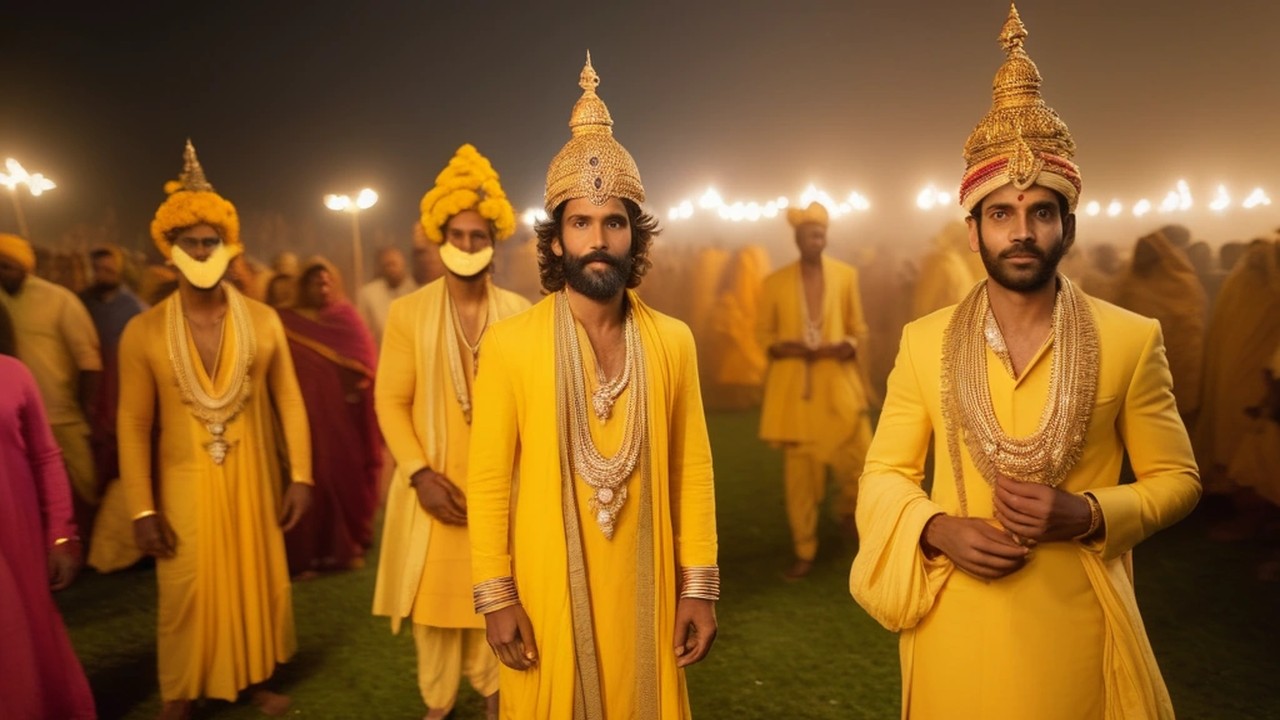
On Monday, the fourth day of Ramnagar's open-air Ramlila at the PAC campus staged Janakpur darshan, the ashtasakhi dialogue and the Phulwari leela drawn from Bal Kand verses, as Ram and Lakshman entered the city with Vishwamitra's leave and later met the flower-garden sequence with Sita's Girija puja.
The evening's spine ran from the Bal Kand doha stretch roughly numbered 217.1 to 238.8. With the sage's permission, the two princes set out for Janakpur darshan. Townsfolk left their work for a glimpse of the visitors. The ashtasakhi chorus praised their beauty, compared them to Kamadev and to swans, urged King Janak to ease the bow vow, voiced worry over Shiva's bow, and recalled Ahalya's redemption. Sakhis showered flowers. Child artists took the rangbhoomi. The princes then returned to Vishwamitra.
At dawn in the Phulwari sequence, Sita went with her sakhis for Girija puja and sought a worthy groom. The sakhis described the princes they had seen. An akashvani told her that the wish would be fulfilled. Sita returned to the palace. Ram later told Vishwamitra the reason for the delay, asked about the chakva-chakvi and the sunrise, and the night closed with aarti.
Ramnagar's form stays multi-ground and traditional. Petromax and torch light carry the evening once daylight fails. Crowds walk with the story between spots rather than sit through a single fixed stage. Monday's Janakpur and Phulwari bill follows Sunday's Vishwamitra arc, which had taken the princes through the forest path, Tadaka and Subahu, Ahalya's redemption, Ganga darshan and the first meeting with King Janak. Day four opens the courtly and garden turn that leads toward the swayamvar season later nights will carry.
The ashtasakhi dialogue is the night's civic chorus. Beauty praise, bow-vow worry and the Ahalya memory sit in the same stretch so that Janakpur is not only a city the princes walk into, but a place that already debates the terms of Sita's marriage. Flower showers and the child artists' rangbhoomi keep that debate in performance language rather than in a modern microphone speech. When the princes return to the sage, the darshan half of the night is complete.
The Phulwari leela shifts the focus to Sita. Girija puja, the sakhis' description of the princes, and the akashvani that the wish will be fulfilled are the central beats. Readers tracking the season night by night will recognise the turn: Sunday sent the princes out with Vishwamitra; Monday brings them into Janakpur's garden and Sita's prayer. Ram's explanation to the sage and the chakva-chakvi sunrise question close the narrative door before aarti.
The weather over east Uttar Pradesh has been quieter than the soaked Saturday that hit Day 2, and Monday's clearer window helped the PAC campus hold an open-air night without another waterlogged stretch. Continuity still matters more than any single tableau. Petromax light, moving audiences and a story that only works if the actors can walk the path the episode names remain the Ramnagar grammar.
What Monday put on stage, then, is clear enough for readers following the season night by night: Janakpur darshan, the ashtasakhi dialogue and the Phulwari leela with Sita's Girija puja, at the PAC campus in Ramnagar on 28 September as part of the 2026 season. Later days will open the swayamvar arc.
Sources and reporting
Based on the staged episodes of the fourth day of the 2026 Ramnagar Ramlila as performed at the PAC campus venue in Ramnagar, Varanasi, covering Janakpur darshan, ashtasakhi dialogue and Phulwari leela.
Related Stories
Puja Specials via Varanasi: Amritsar, Ahmedabad and Kolkata Paths Listed
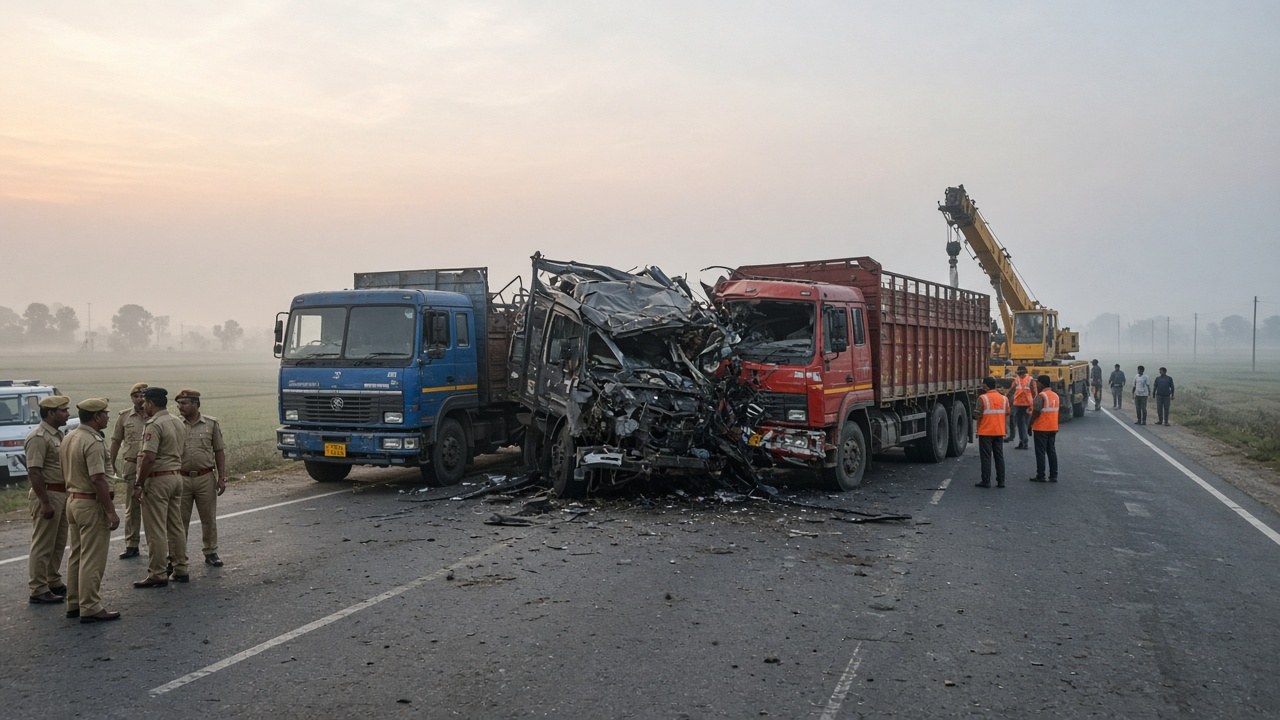
Three Trucks Collide on NH-19 at Mirzamurad; Driver Cut Free From Cabin
Lalpur Head Constable Loses Leg After Car Hits Bike; Driver Sought
Ganga at 67.18 m in Varanasi; Boat Ban Holds as Level Keeps Rising
Railways Clears ₹223 Crore Kavach 4.0 for Varanasi Division’s 615 Route km