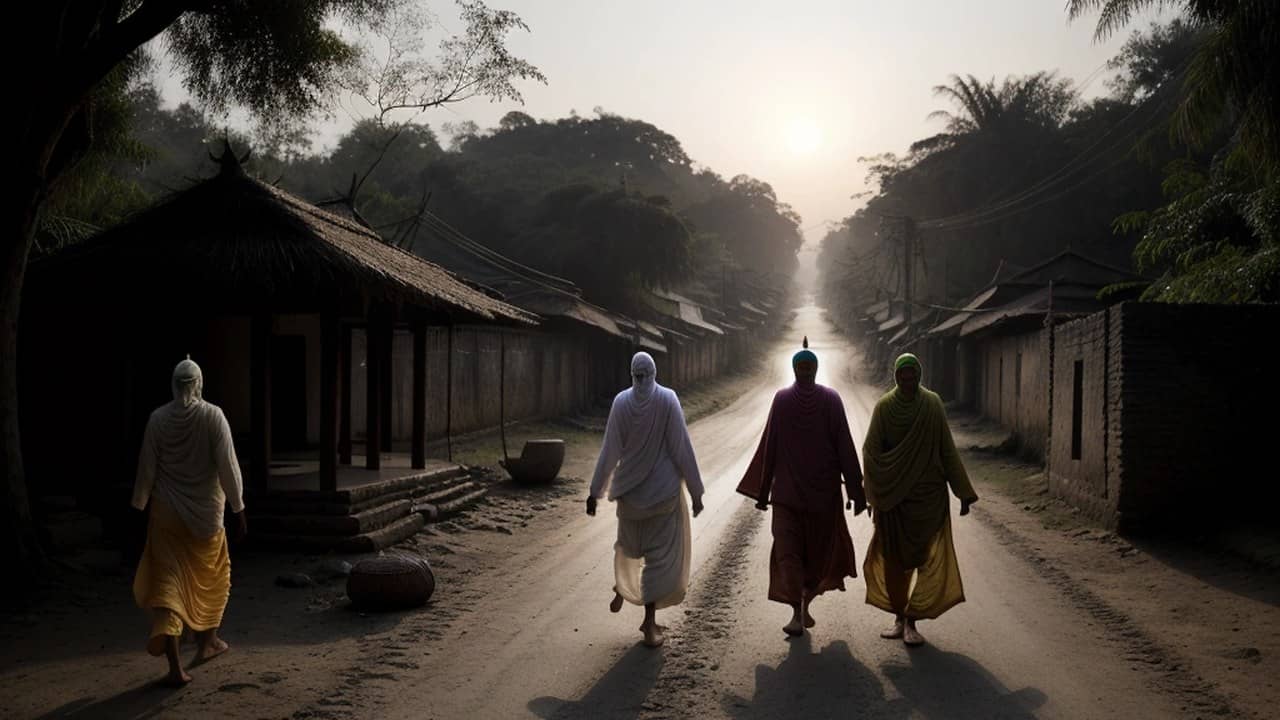
Sunday evening takes Ramnagar's open-air Ramlila into the forest path after exile. Day Ten on the Shri Ramleela Committee schedule follows Rama across rivers, to sage Bharadvaj's ashram, over the Yamuna, among villagers and Valmiki, into a stay at Chitrakoot, and back with Sumantra toward grieving Ayodhya.
The committee's 2026 table places that sequence on 4 October, the tenth night of a cycle that opened on 25 September and runs to 25 October. Saturday's ninth evening was listed as van gaman: the departure into exile, the meeting with Nishadraj, and Lakshmana's counsel to Sita. Crowds that walk the town each night will shift again with the story, because Ramnagar still treats whole neighbourhoods as sets rather than a single stage.
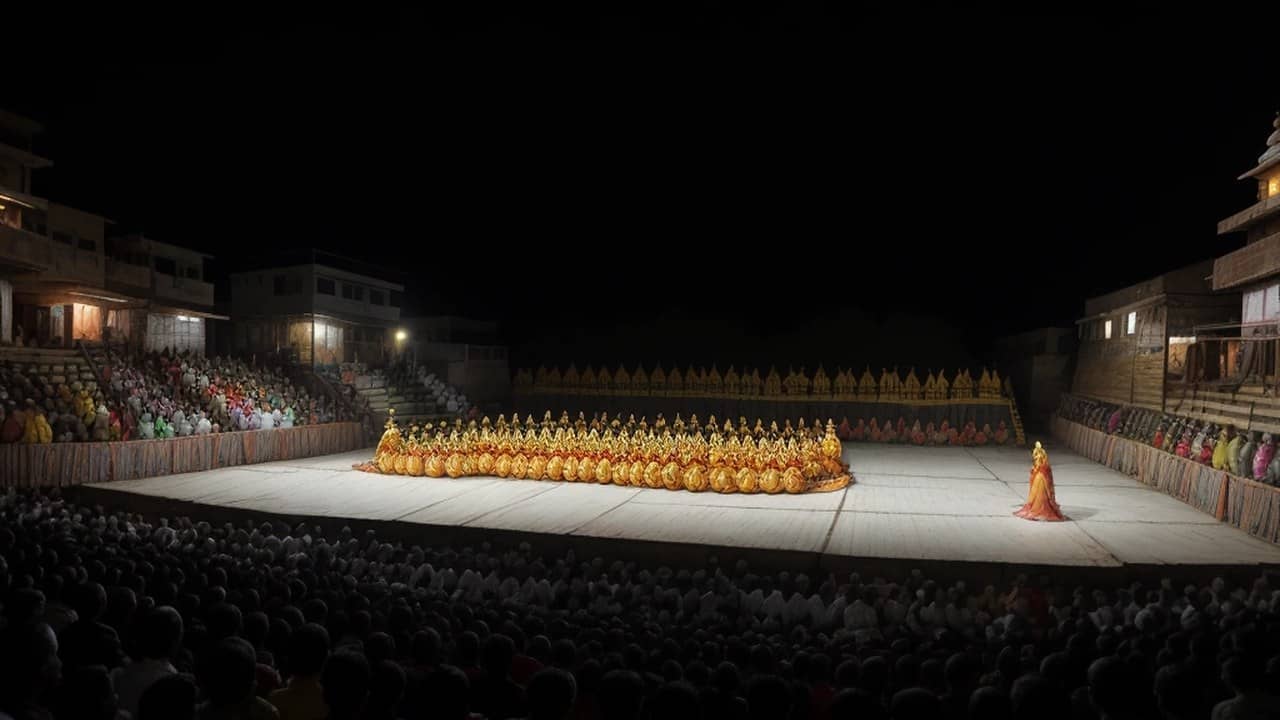
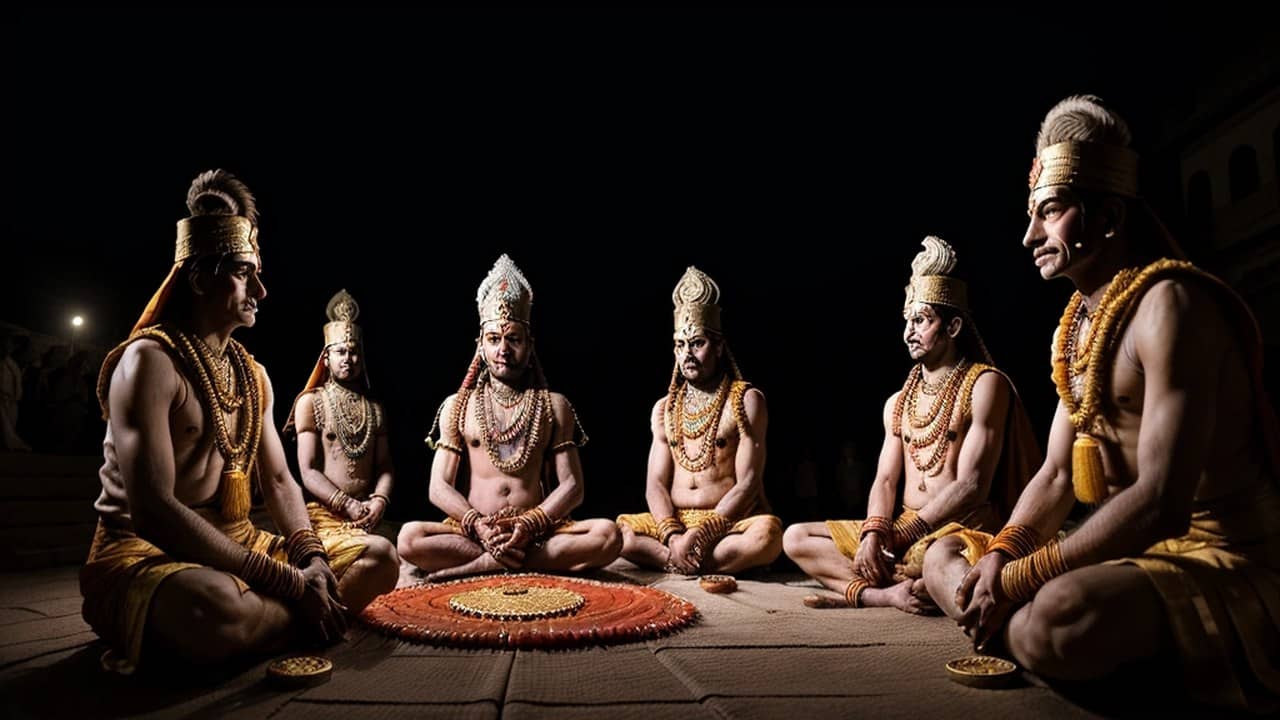
There are no microphones and no electric stage lights in the traditional form. Ramayanis chant lines from the Ramcharitmanas while young performers called swaroops speak in a raised, taught voice. Visitors are usually told to reach before sunset, wear shoes they can walk in, and carry a torch for the gaps between locales. The walk can cover tanks, gardens and open grounds that stand in for Ayodhya one night and Chitrakoot the next.
Day Eight on Friday had already opened the Ayodhya kanda with the coronation preparations and Kopbhavan episode, as Dalimss News reported from that night's staging. Sunday's river and Chitrakoot scenes continue that arc without jumping ahead to later Lanka episodes. Ravana's fall remains scheduled for 20 October on the same committee list, with coronation nights closing the month.
For Banaras residents, Ramnagar is a short crossing or drive when the pontoon and ferry rhythm allows. This season the Ganga has been restless, with boat restrictions flagged in recent civic coverage such as the Central Water Commission outlook on a renewed rise. Anyone crossing for the leela should check local ferry notices before dusk and keep a road option ready if boats stay limited.
What to expect on the ground is movement. When the story leaves Ayodhya for the forest, the audience leaves with it. Parents often lift children onto shoulders at the riverbank tableaux. Vendors sell tea at the edges of the path. The Kashi Naresh's patronage tradition still frames the month, even when the Maharaja is not personally on every night's route. Elderly regulars know which corner to claim for Bharadvaj's ashram scenes; first-timers should simply follow the largest respectful cluster.
Photographers should remember the rule that has held for years: no flash that blinds performers, and no blocking the Ramayanis. The leela is free to watch. Donations, if offered, go through the committee's announced channels, not through strangers collecting at the roadside. Keep phones on silent when the chorus is mid-verse.
Later this month the calendar tightens around Vijayadashami. Sharadiya Navratri runs through mid-October, and the separate Bharat Milap at Nati Imli on the Varanasi bank follows the day after Dussehra. Sunday's Chitrakoot night is quieter than those climaxes, but it matters for the emotional line of the exile. Without these middle nights, the battlefield episodes lose their weight.
If rain holds off, mainly clear skies forecast for the city help outdoor walking. If a shower arrives, the open-air form continues with umbrellas and muddy lanes; there is no covered auditorium to fall back on. Carry a light shawl for the late return toward the fort road.
Readers new to Ramnagar should not expect seat numbers. Stand where the chorus stands, keep to the side when the swaroops move, and follow the local volunteers who point the next locale. Day Ten is a long narrative evening. Plan to stay past the early aarti if you want Sumantra's return and Dasharatha's grief in full. Families with small children may choose to leave after the Yamuna crossing and return another night for later chapters.
The committee may fine-tune start times night by night. Treat Sunday's published episode list as the reliable guide, and treat clock times as approximate. In Ramnagar the story, not the wristwatch, still sets the pace. That stubbornness is why people keep crossing the river each autumn.