
Qualcomm's new earbud chip can talk to the cloud without a phone
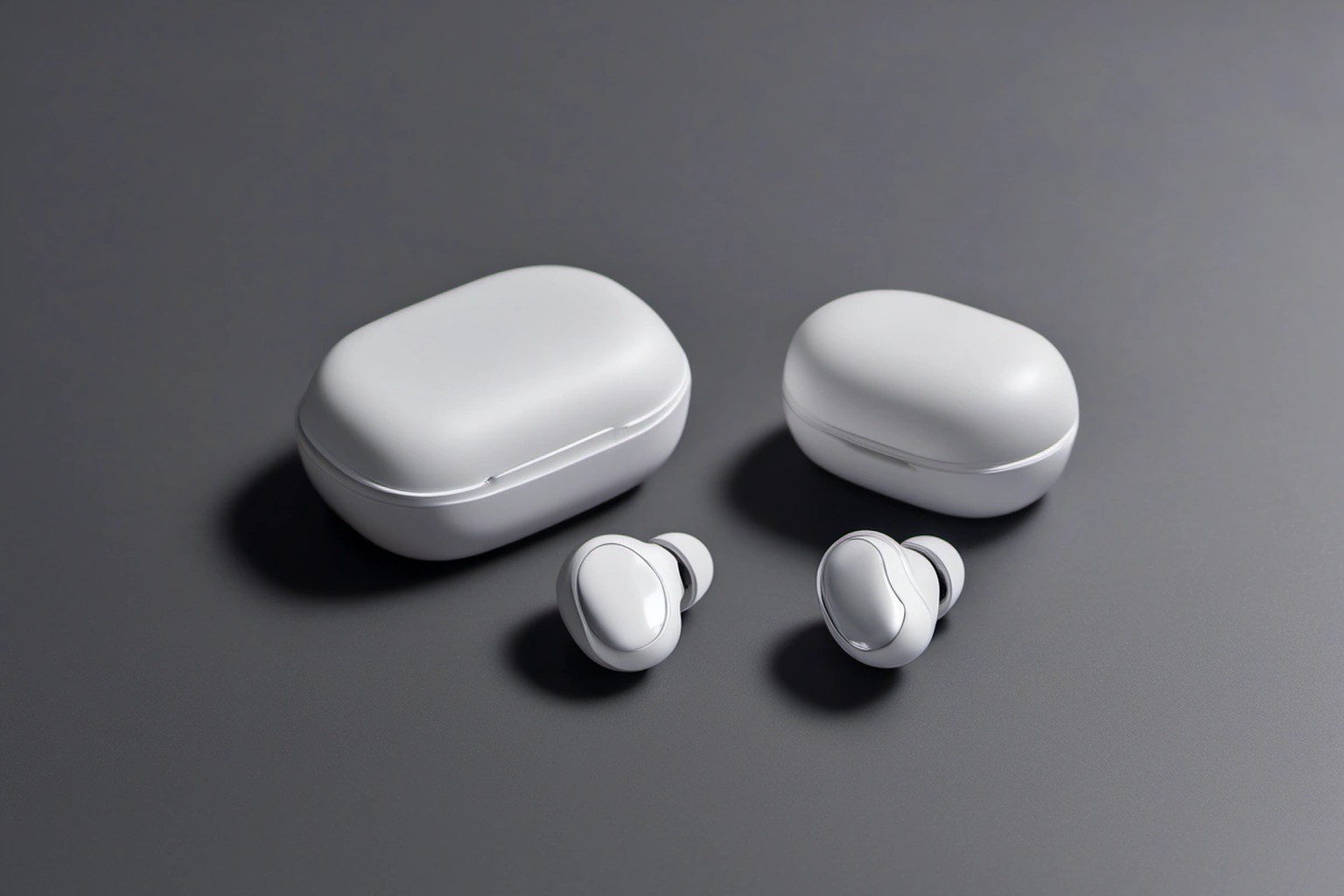
Your next pair of premium earbuds may not need your phone to reach an AI assistant. Qualcomm has announced the Snapdragon Sound Elite Gen 2 platform, a chip for earbuds, headphones and audio glasses that adds its own low-power Wi-Fi 6E radio for a direct link to the cloud.
The platform was unveiled at Qualcomm's Snapdragon Summit. It is a component, not a consumer product, so what matters for buyers is the kind of earbuds it makes possible over the next year or so.
What is inside
Qualcomm says the Gen 2 platform delivers up to twice the on-device AI capability of its predecessor, with an embedded neural processing unit rated at up to 128 GOPS. It runs on Qualcomm's Kymera multi-core audio architecture, combining an Arm Cortex-M55 applications processor, another Cortex-M55 as the main DSP, two Hi-Fi 5 audio DSPs and a dedicated Hi-Fi 3 low-latency DSP.
The company also claims up to 40% lower power consumption and a 30% smaller platform footprint than the previous generation. In earbuds, where battery size is capped by what fits in an ear, those two numbers are the ones device makers will care about most.
The Wi-Fi 6E radio works across the 2.4GHz, 5GHz and 6GHz bands with a peak PHY rate of up to 86Mbps. That link lets the earbuds connect to cloud services directly, through what Qualcomm calls the Snapdragon Sound Apps and Agents ecosystem, for assistants, translation and productivity tools. Bluetooth Classic, Bluetooth LE Audio and Qualcomm's XPAN technology, which extends streaming beyond normal Bluetooth range, are also supported.
Cameras in your ears
The more surprising part is camera support. Qualcomm says the platform is built for form factors that include cameras meant to understand the surroundings for AI features rather than to capture photos or video. At the launch, audio brand Cleer showed an early concept that combined audio, vision and AI processing in one wearable.
It is an idea that will raise privacy questions as soon as such products reach shops, and Qualcomm's positioning, context not capture, reads like an early answer to them.
On the audio side, the platform supports aptX Lossless for bit-for-bit wireless music, fifth-generation Qualcomm Adaptive ANC that adjusts noise cancellation to the environment, cVc multi-microphone voice processing for calls, and a Snapdragon Audio Sense solution for clearer voice pickup.
When it reaches Indian shelves
Qualcomm lists target devices as wireless earbuds, premium headphones, open-ear designs, audio glasses, hearing devices and multimodal wearables, and says it will supply reference designs to shorten development time.
It has not named launch customers beyond the Cleer concept, nor given a timeline for retail products. Qualcomm has not named any Indian brand among early adopters either. Given the feature set, the first devices are likely to sit at the premium end, well above the Rs 1,000 to Rs 3,000 band where most Indian earbuds sell, so direct-to-cloud earbuds may take time to become common here.
The direction is clear, though. As phone makers and chip companies push AI assistants, earbuds and glasses are becoming the always-on interface, and this chip is designed to make that interface work even when the phone stays in a bag.
Sources and reporting
Qualcomm Technologies announcement of the Snapdragon Sound Elite Gen 2 platform at Snapdragon Summit, dated 23 September 2026 (US time; 24 September IST), including platform specifications and the Cleer concept demonstration.
Related Stories

Devialet brings Phantom Ultimate Pulse Blue to India at Rs 2.4 lakh
Google Vids now lets anyone make free HD AI videos with Omni 1.1

Qualcomm renews global patent licence with Apple from April 2027

GalaxEye gets Rs 63.84 crore to build all-weather OptoSAR satellite

Akamai signs $11.6 billion cloud deal with Anthropic