Police Investigate Three Deaths Linked to Maharashtra Family’s Kashi Visit
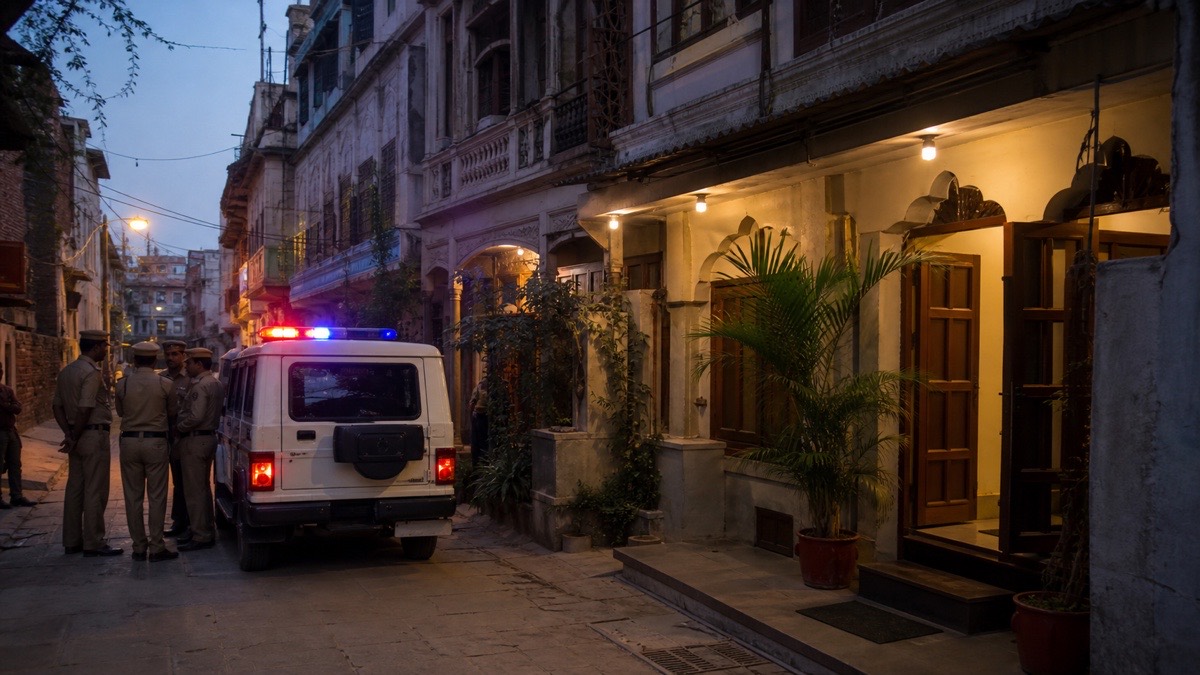
VARANASI: Police are investigating the deaths of three members of a family from Maharashtra whose pilgrimage to Kashi ended in a sequence of events spanning illness, a funeral and the discovery of two people at a homestay in the Luxa area.
According to local reports, the family had travelled to Varanasi for darshan at Kashi Vishwanath. The father, described as a businessman who had been unwell, died during the visit. After his last rites were performed in the city, his wife and adult son returned to their accommodation near Vishwanath Misthan Bhandar in Luxa.
The two were later found dead at the homestay. Police reached the location, secured the room and began an inquiry. Reports have referred to suspected ingestion of a toxic substance, but the precise medical cause and sequence must come from post-mortem and forensic findings rather than assumption.
A case requiring restraint
The deaths have produced intense attention because they occurred during a pilgrimage and involved multiple members of one family. Responsible reporting should avoid sensational descriptions or unsupported conclusions about motive. Investigators will need to examine medical records, statements from relatives and homestay staff, purchases, phone activity and any note or message recovered lawfully from the room.
The identities of the deceased should be handled with care until relatives have been informed and police complete the necessary procedures. The family’s home-state authorities may also be involved in documentation and transport arrangements.
Questions for accommodation operators
Homestays and hotels are not expected to diagnose a guest’s private distress, but clear emergency procedures can save time. Staff should know how to contact police and medical services, preserve a room after a serious incident and avoid circulating images that invade the dignity of the deceased.
The wider city receives pilgrims at emotionally intense moments—after illness, bereavement or a long-awaited religious journey. Frontline workers in accommodation, transport and temple services can benefit from basic training in recognising emergencies and directing people to help.
At publication, police had not announced a final conclusion about the deaths. The post-mortem reports and evidence review will be central to determining what happened. Until those findings are available, the case should be described as an investigation into three tragic deaths, with no speculation presented as fact and no blame assigned without evidence.
Anyone experiencing acute distress, or worried that a relative may be at immediate risk, should contact emergency services and stay with the person while professional help is arranged. Reporting the case with restraint is part of prevention: the public needs verified information and routes to assistance, not detailed descriptions that can cause further harm.
Sources and reporting
Based on Dalimss News Banaras and contemporaneous local reports published August 11–12, 2026. The circumstances and cause of the deaths remain subject to police investigation and post-mortem findings.
Related Stories
Kashi Marks Baba Lat Bhairav’s Wedding Day After Tilak and Haldi Rituals
Over 800 Doctors Converge as API UP Chapter Conference Opens in Rohania
Chitaipur Arrests Two After Homeguard Anuradha Tiwari’s Alleged Suicide
Lanka Registers Assault Case After Narottampur Youth Dies During Treatment
Storm Uproots Electric Pole in Cholapur’s Jagdishpur; Local Supply Cut