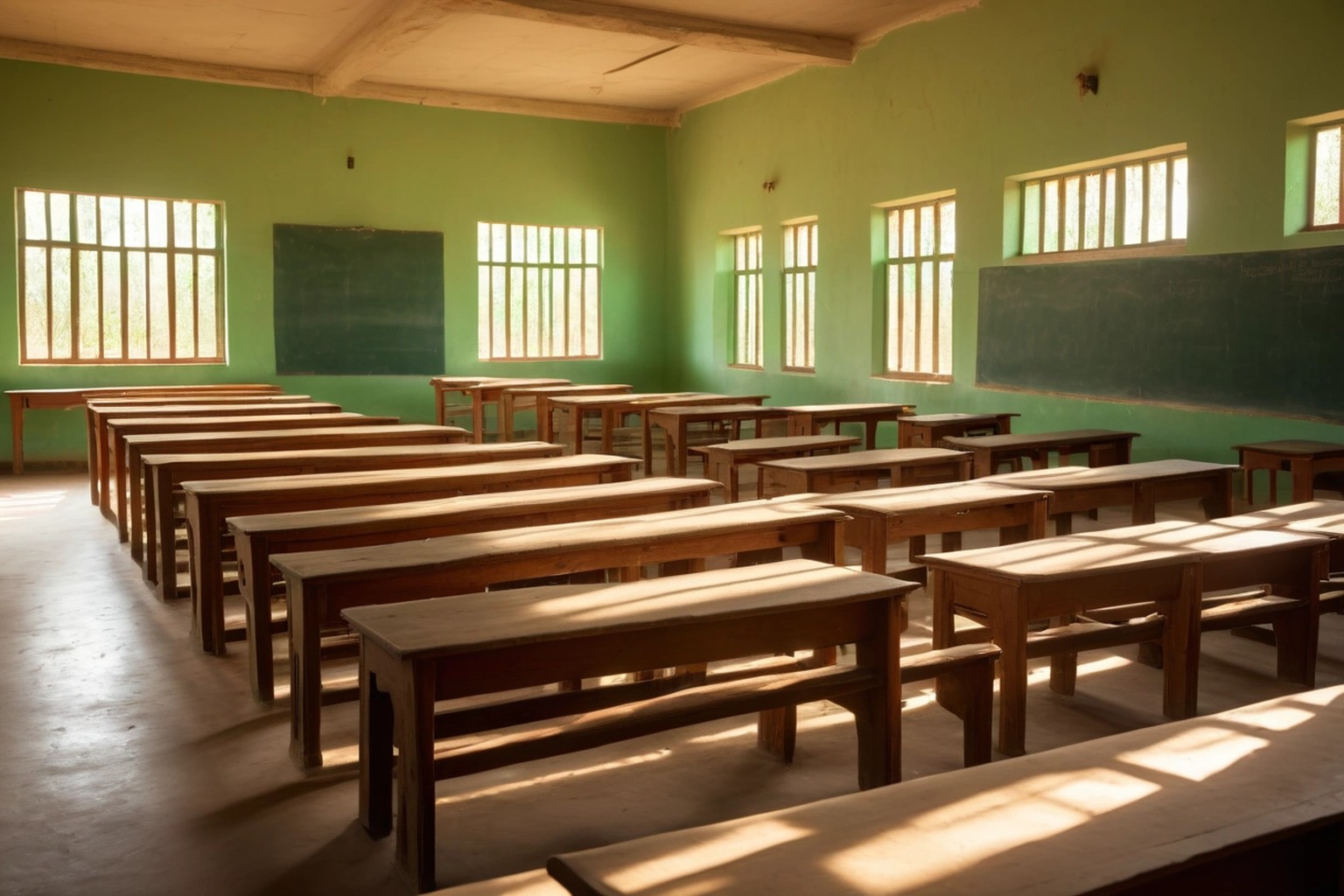
Paper Leaks Damage Student Morale, UP Women’s Commission Chair Says at BHU
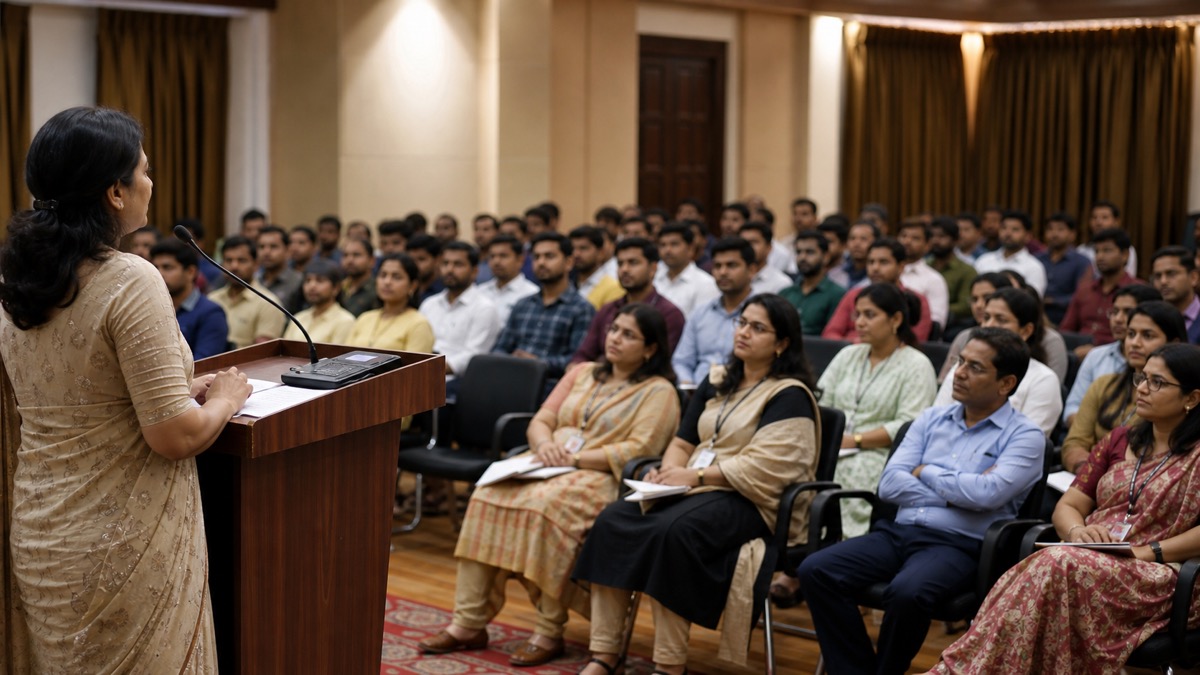
Uttar Pradesh State Women’s Commission chair Babita Chauhan has warned at Banaras Hindu University that examination paper leaks do more than compromise a single test: they damage the morale of students who prepare within the rules. Her remarks put the emotional cost of recruitment and academic irregularities alongside the better-known legal and administrative consequences. For a student, the loss is measured in months of work, fees, travel and trust that cannot be restored by merely announcing a new date.
A leak creates unequal information before an examination begins. It rewards access rather than preparation and turns every honest candidate into a potential victim. Even when authorities cancel the paper quickly, students face uncertainty over rescheduling, age limits, accommodation and additional expenses. Women candidates can carry extra burdens where families are reluctant to support repeated travel or extended preparation after a public failure in the system.
Chauhan’s position is a public argument rather than the finding of a specific investigation. Any particular leak must still be proved through evidence and prosecuted under applicable law. But her broader point is difficult to dismiss: institutional credibility is part of student welfare. A university or recruiting body cannot treat secure printing, transport, digital access control and rapid incident reporting as back-office matters disconnected from the people sitting the exam.
The most effective response begins before a question paper exists. Authorities need limited access, logged workflows, independent audits and clear responsibility at each stage. When a breach is suspected, communication should be fast and factual. Candidates should know what is confirmed, what remains under inquiry and when the next decision will be made. Vague statements leave space for rumours, coaching-centre speculation and fraudulent notices.
BHU can contribute beyond hosting the conversation. Its departments can study secure assessment design, student stress and the use—and limits—of technology in preventing leaks. Student counselling services should recognise that a cancelled high-stakes exam is not a minor inconvenience for everyone. Some candidates have organised their finances and family expectations around a single date, and the sudden loss of control can be severe.
The enduring test is whether official concern produces systems students can see and trust. Punishing a leak after it happens is necessary; reducing the opportunity for one is better. Chauhan’s remarks at BHU are most useful if they move the debate away from scandal management and towards the quiet, disciplined work of making every examination fair before the first candidate enters the room.
Sources and reporting
Fresh BHU-linked public remarks reported during the last 24 hours; the article separates the speaker's opinion from established policy.
Related Stories
Festive Special to Gorakhpur Gets Gurugram Halt
Fifth Accused Held in Rs 25 Lakh Sector 47 Robbery

Courier Staffer Booked Over 105 Missing One8 Returns
HC Sets Rs 50 Lakh Costs for Accused's Return to India

Gurugram Swimmer, 20, Crosses English Channel