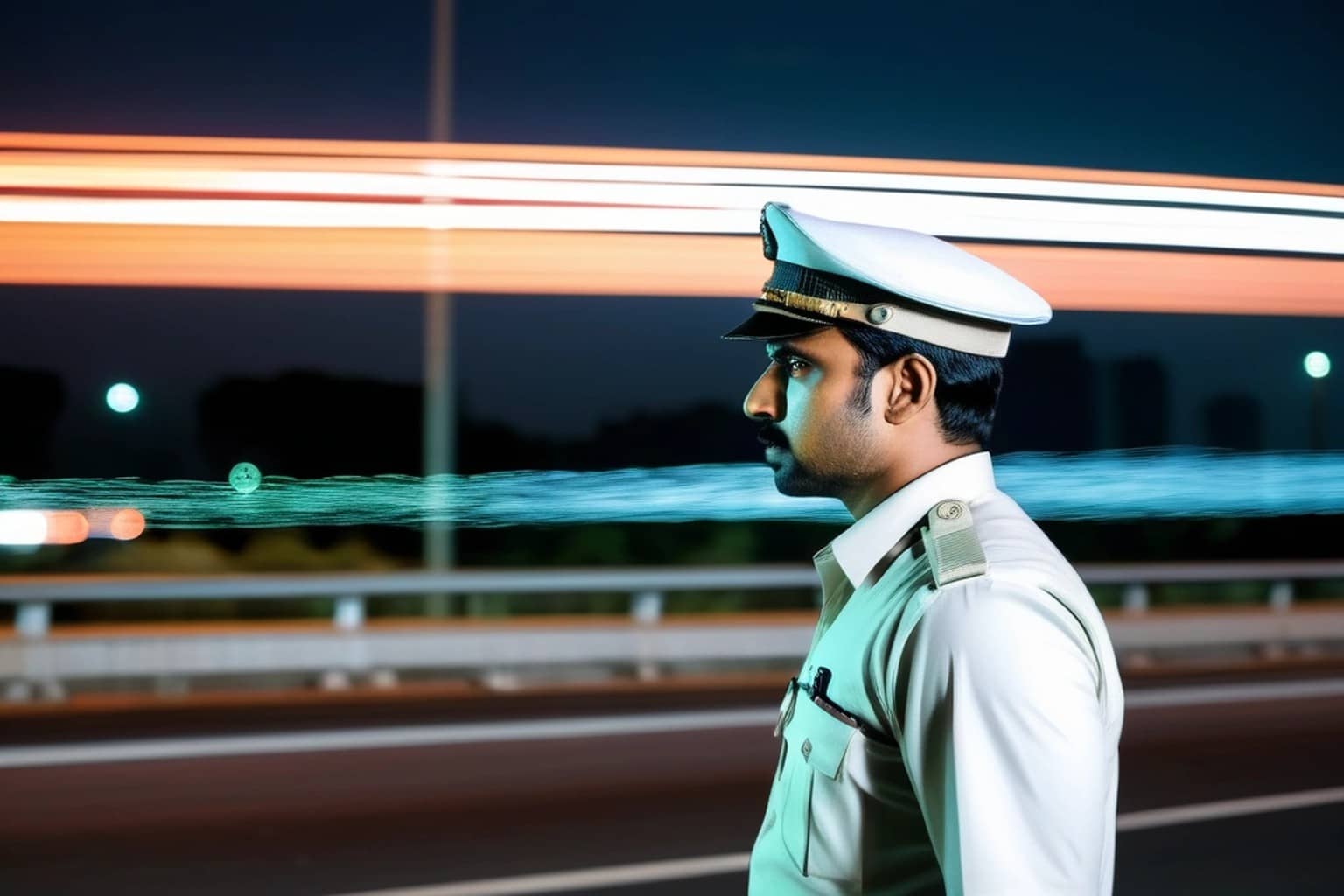
GURUGRAM: Gurugram traffic police issued 7,570 challans for overspeeding between 1 and 30 September and imposed fines totalling Rs 1,51,40,000, according to figures the force published on Sunday evening.
In a separate update, the traffic police said 1,497 drivers were challaned for drink driving in the same month and 28 vehicles were impounded. The force said every drink-driving challan brings a three-month suspension of the driver's licence, and that special night checkpoints will continue. Spread over the month, that is roughly 252 overspeeding challans and about 50 drink-driving cases a day.
The overspeeding action was spread across several corridors, with the police naming the Delhi-Mumbai Expressway and Golf Course Road among them. Both are long, wide roads built for fast through traffic, and both carry heavy movement late into the night. The update did not break the figures down by road or by vehicle type, or say how many were caught on cameras.
Divide the fine total by the number of challans and it works out to exactly Rs 2,000 a challan. Under section 183 of the Motor Vehicles Act, overspeeding in a light motor vehicle such as a car attracts a fine of Rs 1,000 to Rs 2,000, and the round figure suggests most September challans were issued at the upper end for cars. For medium and heavy vehicles the range is Rs 2,000 to Rs 4,000, and a repeat offence can lead to the driving licence being seized.
Drink driving is dealt with under section 185 of the Act. A first offence can mean a fine of up to Rs 10,000, imprisonment of up to six months, or both, and the legal limit is 30 mg of alcohol per 100 ml of blood. Repeat offences within three years carry heavier penalties. At checkpoints the level is measured with a breath analyser, and the law also provides for a laboratory test of a blood sample.
How September compares with the rest of the year
The September drink-driving count is lower than the year's earlier pace. Traffic police had booked 13,703 motorists for drunk driving between January and August, an average of a little over 1,700 a month, as Dalimss noted in its report on drink-driving challans and stalled licence suspensions.
That earlier report also found that recorded licence suspensions had fallen to none after May in data placed before the district road safety committee. Sunday's update says each drink-driving challan now brings a three-month suspension, but it does not say how many suspensions were actually processed in September. That figure, once shared, will show whether the rule is being carried through. The 28 impounded vehicles amount to under 2 percent of the drivers caught drunk, so in most cases the vehicle was released and the penalty fell on the driver.
Weekly figures released last month give a sense of the wider enforcement load. One week in September alone saw 39,939 challans across categories, and the force has also run separate drives against drivers using mobile phones at the wheel.
For motorists, the practical point is that many overspeeding challans are generated from camera or speed-gun records, and the notice is sent to the mobile number linked to the vehicle registration. Challans can be checked and paid through the government's e-challan portal, and the police have said action is being taken under the Motor Vehicles Act, 1988. Before paying, it is worth checking that the vehicle number, time and location on the notice match; challans that are disputed or left unpaid are sent on to court.
The traffic police have listed 112 and their 1095 helpline for road emergencies and complaints. The force has not said whether the September numbers will feed into any change in speed limits or camera locations on the corridors it named.
With the festive season and its late-night traffic coming up, the police have said the night nakas for drink driving will continue. If October's update again leaves out licence suspensions, the three-month rule will be hard to judge from the outside.