Origin has disclosed $20 million in total funding to expand its construction-robot fleet, with Accel and Zacua Ventures co-leading the backing. The San Francisco company announced the financing on October 15. It plans to use the money for OG-1 deployments and customer pilots in the United States and Europe, with further pilots scheduled in Germany, Sweden, France and Saudi Arabia.
The disclosure describes cumulative funding, rather than identifying the entire amount as one newly closed round. Origin is targeting 150 deployed robots by the end of 2027. That is a future fleet target. The announcement also says Zacua founding partner Vivin Hegde has joined its board. It does not provide a valuation or a breakdown of the individual funding rounds.
From wall finishing to more trades
OG-1 starts with interior finishing. In its October 15 investment note, Zacua says the robot applies compound, sands and primes walls, including corners, edges and work at height. The investor describes a modular machine with interchangeable tools, intended to support additional trades over time. Those proposed extensions are part of the investment thesis, rather than evidence that the robot already performs every interior construction job. Zacua says its relationships with construction companies inform its assessment of adoption: contractors judge productivity, reliability, quality and economics. Those criteria frame the commercial test as the company expands beyond its first deployments.
Zacua identifies Yogesh Ghaturle, Tushar Makkar and Ashish Daga as the founders. Ghaturle previously built Perpule, which Amazon acquired in 2021. Makkar brings experience from Eightfold AI and Google, while Daga worked in robotics and precision hardware. The investor says the team placed robots on active New York construction sites within ten months of founding. Its account provides an early deployment history, but does not name the contractors or disclose customer contract values.
Accel’s October 15 investment note explains the technical approach as a combination of software and hardware. A base model trained on synthetic and real construction-site data handles perception and planning. Individual power tools are trained for different tasks on live sites. The distinction matters because a building under construction is a changing workplace, with layouts and obstacles that differ between projects, rather than a controlled factory environment.
The investor says Origin reached live US customer deployments before its Series A. That description should not be read as a formal label for the newly disclosed funding. Accel also makes performance claims, but its investment note does not supply a customer-verified benchmark that would establish equivalent results across different sites. The published material is an investor’s explanation of its backing, rather than an independent engineering assessment.
Origin’s own website, checked on October 18, reports more than 100,000 square feet completed and 5,000 hours worked. The site does not provide an audit of those figures. They describe reported activity to date; they do not establish how many robots are currently operating, the revenue earned from those jobs or the cost of supporting each deployment.
The labour constraint behind the investment
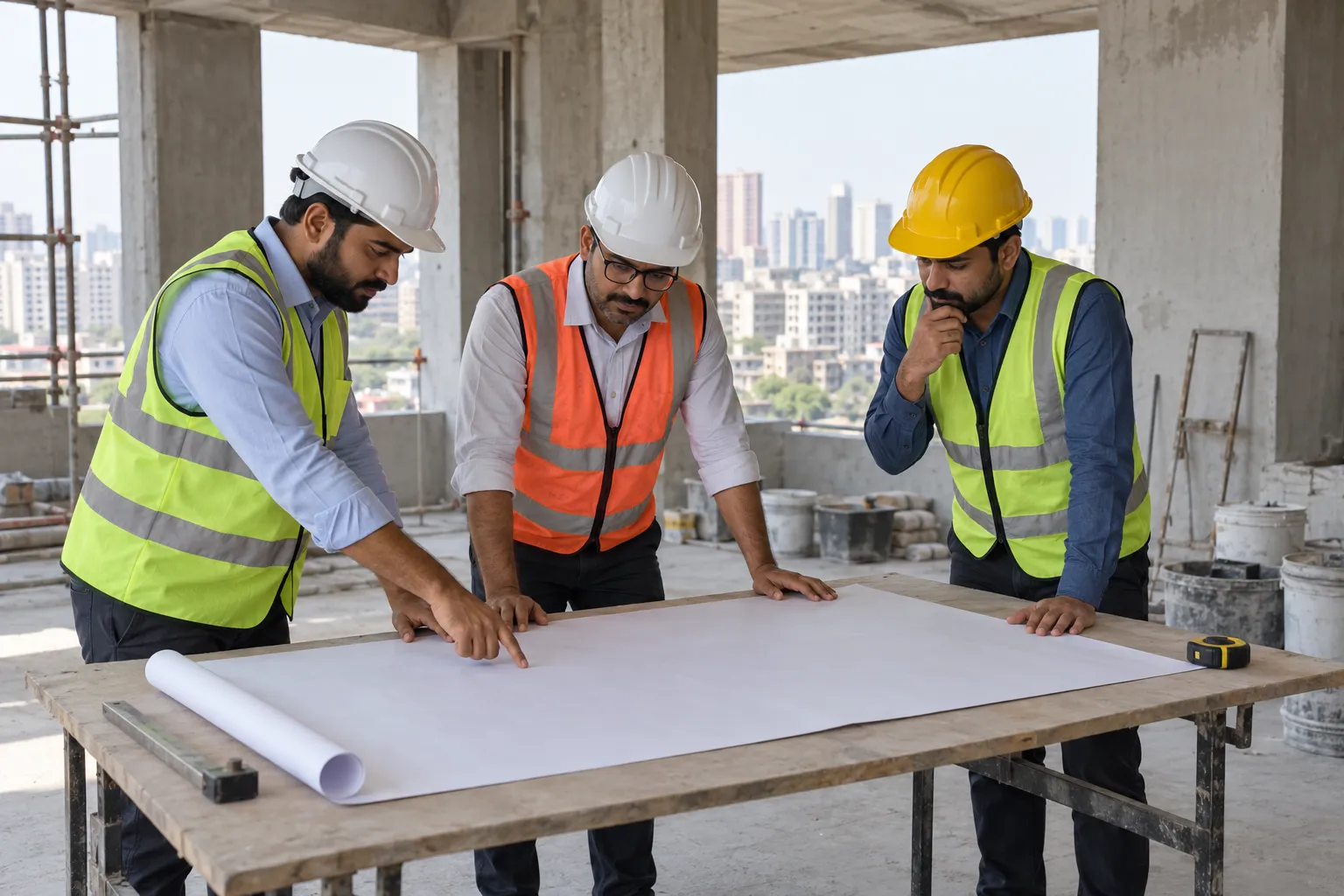
The workforce problem behind the funding pitch has separate industry evidence. In a September 3 release, the Associated General Contractors of America and NCCER reported that worker shortages had delayed projects for 42 per cent of respondents to their US workforce survey. Eighty-seven per cent reported hourly craft vacancies. Among firms with such openings, 88 per cent said filling them was as difficult as, or harder than, a year earlier.
The survey was conducted in July and August 2026, with 1,830 individuals responding to at least one section. It covered different company types and sizes. These findings help explain contractors’ interest in additional capacity, but do not measure demand for Origin specifically or show that automation can replace recruitment and training. The same release says 36 per cent of firms began or increased spending on training and professional development.
Dalimss News has separately examined Ati Robotics’ factory robots and Genrobotics’ defence and space robotics expansion. Those reports provide background on other robotics businesses; neither establishes an operating partnership with Origin.