
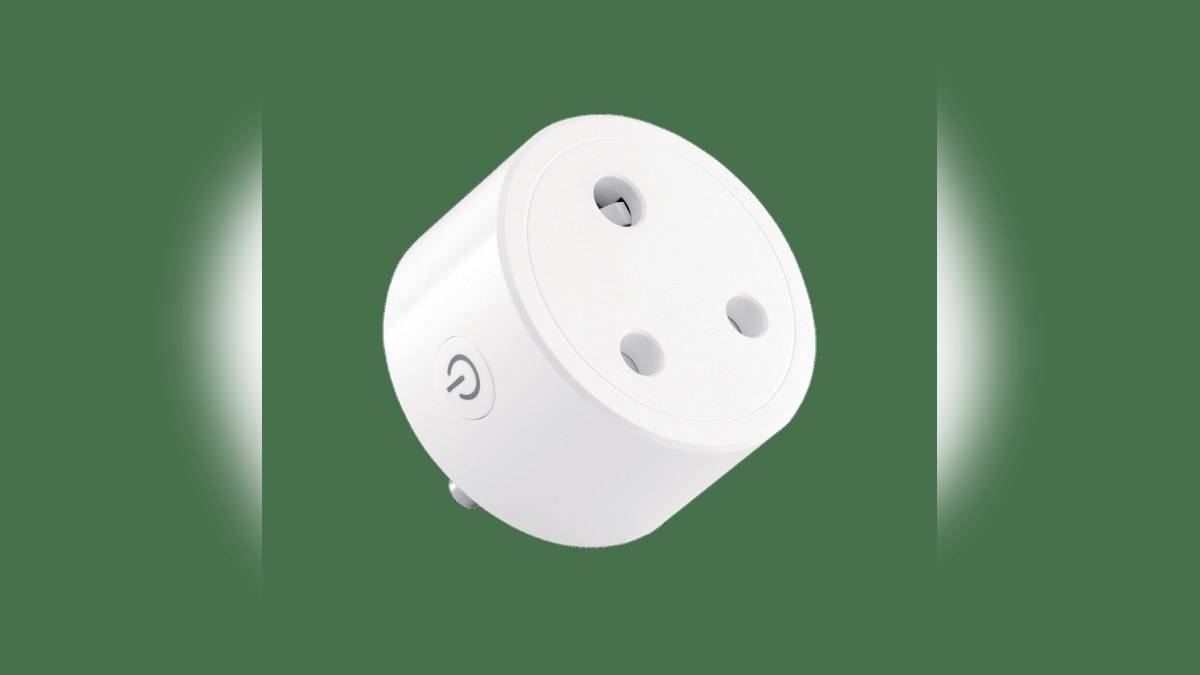
NEW DELHI: Orient Electric's I-Nex WiFi smart plugs are listed at Rs 1,345 for the 10A model and Rs 1,430 for the 16A model on its own website, inclusive of taxes. Both support energy tracking, scheduling and voice control. The electrical rating is the important variant difference; the app features listed by Orient are substantially shared.
| Variant | Listed price | Listed MRP | Current rating |
|---|---|---|---|
| I-Nex WiFi 10A | Rs 1,345 | Rs 3,844 | 10A |
| I-Nex WiFi 16A | Rs 1,430 | Rs 4,084 | 16A |
Price as of 8 November 2026, 04:43 IST. These are displayed brand-site prices, without bank, business-purchase or coupon adjustments. The product pages also show an out-of-stock message, so the figures should be read as listings rather than a promise of immediate delivery.
Read the rating before the feature list
Orient identifies the variants as 10A and 16A in their names and specification tables. That gives the range a more useful distinction than the marketing description of a smart socket. An appliance's plug, its electrical requirements and the wall outlet remain part of the installation. A matching app does not make the physical variants interchangeable.
This matters particularly when an Indian household moves an existing appliance between rooms. The smart plug becomes another component in that electrical connection. Treat the model rating as an installation requirement, and check the appliance instructions and the supplied plug manual before attaching a load. The higher-priced unit is not simply a software upgrade to the lower-priced version.
There is a modest difference between the displayed prices, but this is not a reason to choose a rating by cost alone. First establish which socket and appliance connection the installation requires. Only then does the price table become useful. A price comparison cannot establish suitability for a particular motor, heater or appliance with a demanding start-up load.
What both I-Nex variants can do
The official highlights for both versions list remote operation through a mobile app, energy-consumption tracking and timer scheduling. Countdown timing, on/off schedules and daily or weekly scheduling are specifically mentioned. Alexa and Google Assistant compatibility is also listed on both pages.
Those shared controls make the two models a single automation range with different electrical ratings. There is no stated reason in these pages to reserve scheduling or energy tracking for the 16A version. Equally, the presence of those features does not establish a particular measurement accuracy or a guaranteed reduction in electricity bills.
For a household trying to understand a recurring load, monitoring and control answer different questions. Tracking helps reveal when a connected device is consuming electricity; a schedule changes when the socket supplies power. An appliance may still need its own controls operated after power returns. Check its behaviour in person before making a remote routine part of everyday use.
Shared access needs a household plan
Orient says each model can be controlled by up to 5 people simultaneously through the mobile app. That is relevant in a family home where the person who installed the plug may be away when somebody else needs to operate it. Decide who will manage schedules and who should have access before relying on remote control.
A useful practical distinction is between a household member turning an appliance off intentionally and an automation turning the socket on later. Name the device clearly in the app and explain its routine to everyone who shares control. This is especially helpful when the ordinary wall switch and the smart control are both within reach.
For another approach to reading a connected socket's consumption data, see our Gadget and accessory price guide. Readers comparing electrical variants can also consult the How to read energy use on the 16A Tapo P110. Those are separate products with their own specifications.
What to confirm before setting a routine
Both Orient pages describe a white body with a matt finish and list a unit plus a manual among the included components. The highlights also mention an automatic shutter. None of those details removes the need to read the instructions supplied with the exact variant, particularly when replacing an existing adaptor or changing the connected appliance.
Keep the invoice and record which rating was supplied. A family using several smart sockets should be able to identify each unit without having to reconstruct an old order. Our Qubo Smart Plug 16A vs 10A price: 10A starts lower at Rs 899 shows why purchase and product identity records matter for connected devices.
The I-Nex range's clearest proposition is therefore shared automation with a choice of electrical rating. Its official pages support a direct comparison of those two listings. They do not justify treating either plug as a universal controller for every appliance, or turning the listed monitoring feature into a quantified savings claim.
Official sources: I-Nex WiFi 10A and I-Nex WiFi 16A.