
Five Held in Mughalsarai Cyber Fraud Aimed at Japanese Victims
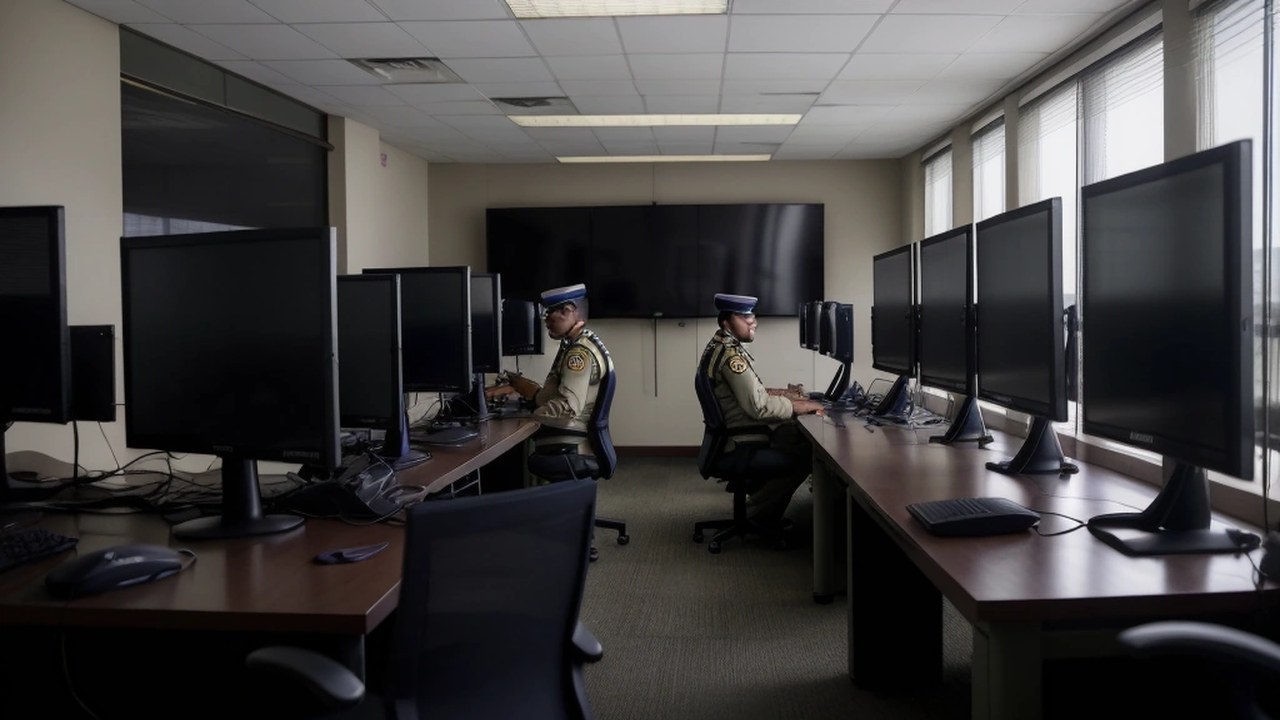
Chandauli police on Wednesday raided a building in Kailashpuri, Mughalsarai, and arrested five men allegedly running a remote-access cyber fraud that targeted foreign citizens, particularly elderly Japanese nationals, by posing as helpers for computer problems.
The arrested accused were identified as Raunak Singh, 32, of Nalanda in Bihar; Roshan Kumar, 21, Aman Kumar, 23, and Vikas Vaibhav, 25, all of Gaya district; and Ankit Kumar, 25, of Nawada district. Additional Superintendent of Police (Sadar) Vikram Dahiya said the group had learnt Japanese in Nalanda and Gaya specifically to approach Japanese speakers with savings in their bank accounts.
According to the police briefing, the accused used the Zoiper 5 application to call victims, asked them to open a website and enter a six-digit PIN to "resolve" a query, and then allegedly took remote control of the victims' screens. Once inside, investigators say, the callers opened banking apps and transferred money. Victim banking details were also allegedly shared through WhatsApp groups run on virtual numbers.
Police said Chinese members of the wider gang allegedly supplied mule bank accounts for moving the stolen funds. The main handler, who allegedly ran the call centre and converted Japanese currency into rupees through hawala channels, fled shortly before the raid and remains wanted. Officers also alleged that forged Aadhaar cards carrying Varanasi addresses had been prepared to conceal identities.
A case has been registered at Mughalsarai police station under relevant sections. About Rs 9 lakh in two bank accounts linked to Raunak Singh has been frozen, ASP Dahiya said, while efforts continue to trace the absconding handler.
Mughalsarai sits on the edge of the Varanasi urban belt and has seen repeated cyber-crime raids in recent years. Wednesday's action stands out for the language training alleged in the briefing and for the overseas victim profile. All descriptions of the call script, the remote-access method, and the hawala trail remain allegations under investigation. Guilt or innocence is for the court.
Digital evidence work typically follows such raids: imaging of hard disks, recovery of chat logs, and requests to banks that held mule accounts. Frozen funds are only the first recovery step; restitution to foreign victims, if ordered later, depends on how cleanly the money trail can be mapped.
Residents of Kailashpuri who saw police enter the building on Wednesday will find the official version limited but clear: five arrests, one wanted handler, frozen accounts, and a case that begins with remote-access fraud against Japanese citizens. Anyone with information about similar call-centre rooms in the Mughalsarai–Chandauli belt has been asked to approach local police.
Language-trained fraud rooms are harder to spot from outside than ordinary Indian-language scam dens, which is why the ASP's emphasis on Japanese learning in Nalanda and Gaya matters to the investigation narrative. It also explains why the alleged victims sit thousands of kilometres away from the Kailashpuri building where the raid took place.
Sources and reporting
Based on Chandauli police and Additional Superintendent of Police (Sadar) Vikram Dahiya’s briefing on the Wednesday raid at Kailashpuri, Mughalsarai, the five arrests, and the case registered at Mughalsarai police station.
Related Stories
Manduadih Fan Warehouse Fire Reignites After 48 Hours

FIR Over Rs 1.71 Crore Cash Gap at Cantonment Hotel

Railways Clears Banaras–Prayagraj Rambagh MEMU Pair
MLC Forms Reach 30 Over Two Days; Still No Papers Filed

Varuna Reverse Flow Floods Low Homes Near Pulkohna Again