
Maharashtra Discloses 584 Ashram-School Student Deaths in Two Years
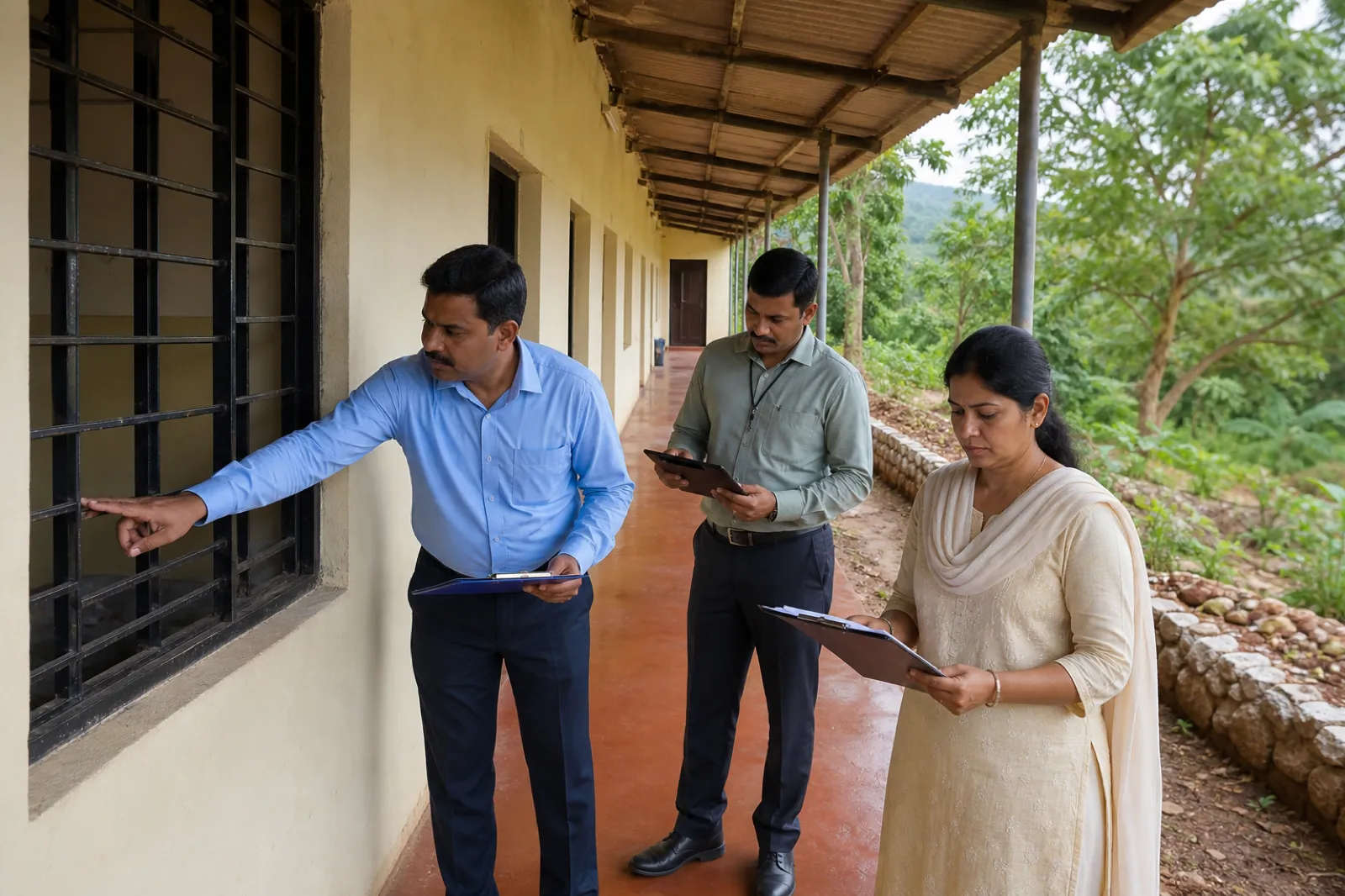
Maharashtra officials have disclosed that 584 students enrolled in government and aided ashram schools died over the past two financial years, a figure that has intensified scrutiny of health and safety in residential education for tribal children. The disclosure followed the deaths of three girls after a snake entered their school hostel in Gadchiroli district on August 9.
The Tribal Development Department operates 500 government ashram schools and supports 513 aided schools. A senior department official said 384 deaths were recorded among pupils of government schools and 200 among those in aided institutions during 2024-25 and 2025-26. Reported causes included snakebite, sickle-cell disease, serious illness, accidents and suicide.
In government ashram schools, 170 deaths were reported in 2024-25 and 214 in 2025-26. Officials said 36 occurred on school premises and 348 at home. Aided schools recorded 81 and 119 deaths in the two years; 30 occurred on campus and 170 at home.
These figures require careful interpretation. A death at home may still concern a child enrolled in a residential school, but it does not by itself establish that the school caused the death. Conversely, counting only deaths on campus could miss delayed treatment, children sent home when seriously ill or systemic conditions affecting pupils during vacations. The state should publish age, sex, district and cause categories, along with how each case was reviewed.
The immediate Gadchiroli case exposed a concrete hostel hazard. Three girls died and three others required treatment after a venomous snakebite around midnight at an aided residential school in Japtalai village, about ten kilometres from Dhanora. Chief Minister Devendra Fadnavis later ordered permanent cancellation of the school’s licence.
Closing one institution may be justified by its record, but it cannot substitute for a statewide prevention plan. Rural hostels need sealed floor and wall openings, cleared vegetation, adequate lighting, beds raised from the ground where appropriate and a rapid transport protocol. Staff must know the nearest facility with antivenom and must not rely on unverified first-aid practices.
Sickle-cell disease, another cause identified by officials, is prevalent in several tribal populations and requires screening, treatment continuity and emergency awareness. Mental-health deaths and accidents call for different interventions. Combining every case in one total can attract attention; reducing the total requires cause-specific work.
The government should commission independent mortality reviews for deaths on campus and for selected serious illnesses occurring soon after a child leaves. Each review should establish when symptoms began, whom the child told, what action staff took and whether transport or referral was delayed. Findings can be anonymised while retaining accountability.
Families deserve notification and access to records, while surviving pupils need counselling after a death. Whistleblowers and children who report unsafe conditions must be protected.
The figure of 584 is not a verdict on every ashram school. It is a warning that the state’s current information is too broad to show which deaths were preventable. Maharashtra now needs to move from a cumulative number to transparent case review, enforceable hostel standards and district-level correction before another emergency.
Sources and reporting
Based on Maharashtra Tribal Development Department figures disclosed on 14 August 2026 and state action following the Gadchiroli hostel snakebite deaths.
Related Stories

Two Held for Alleged Bid to Run Over Men
Retired HSVP Officer Surrenders in SCO Plot Case
Cops Warn Weekend Bikers After Recent Crashes
HT Pole Still Blocks Road Between Sectors 102, 102A

HSVP Plans Single City Office in Sector 16