Lolark Shashthi drew long queues to Bhadaini’s Lolark Kund from midnight on Wednesday, 16 September 2026, into Thursday morning. Couples seeking childbirth blessings lined a barricaded route of nearly three kilometres from Bhadaini toward Shivala. Thousands slept inside the barricades overnight. Organisers and administration expected about two lakh devotees from roughly ten states, including Uttar Pradesh, Bihar and Jharkhand.
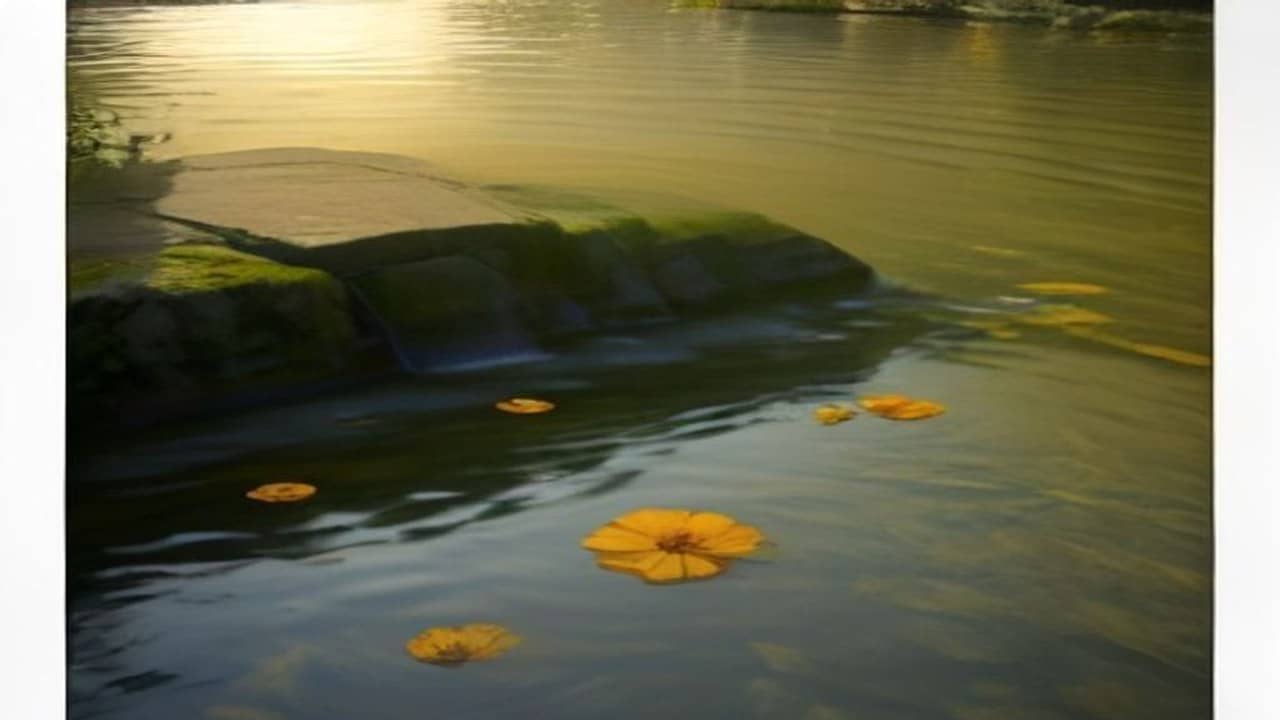
Astrologers cited an auspicious bathing window on Thursday morning between about 06:31 and 10:26. The ritual, as described by head priest Ramesh Kumar Pandey, has couples take three dips together in the kund, offer a fruit, leave wet clothes, and then worship Lolarkeshwar Mahadev. The kund itself is about 50 feet deep and roughly 15 feet wide, built in an inverted-pyramid form with stairs on three sides. Historical accounts cite a Gupta-era core with later renovations linked to Gahadavala ruler Govindachandra and Ahilyabai Holkar; Uttar Pradesh Tourism has been improving amenities around the site.
Crowd and security arrangements lined the barricaded stretch. Night bathing festivals in dense old-city lanes need exactly that — early cordons, volunteer lanes, and clear entry-exit discipline — and Thursday’s turnout tested those arrangements from midnight onward.
A parallel Kinaram Shashthi programme at Kreen Kund in Ravindrapuri included labour seva, aarti and an evening symposium. Together, the two sites show how Shashthi calendars can fill more than one pocket of the city on the same night without merging into a single crowd.
Lolark Kund’s depth and stair geometry make queue management a physical problem as much as a policing one. Three kilometres of barricades exist because the kund mouth cannot absorb two lakh people at once. Couples move in batches; fruit offerings and wet-clothes piles mark the exit path.
Expecting devotees from about ten states turns Bhadaini’s lanes into a regional faith corridor for one night. Barricades from Bhadaini to Shivala exist to keep that corridor walkable. The auspicious Thursday morning window concentrates the densest bathing rush into a few hours after dawn, which is when police and volunteers need the queue to move without a crush at the kund stairs.
For Bhadaini residents who watched the queue form before dawn, the stamp is night bathing, a three-kilometre cordon, and a Thursday morning auspicious window. For the temple trust and city administration, the day closed as a managed faith crowd. Amenities work by UP Tourism around the kund is background civic context, not a campaign claim.