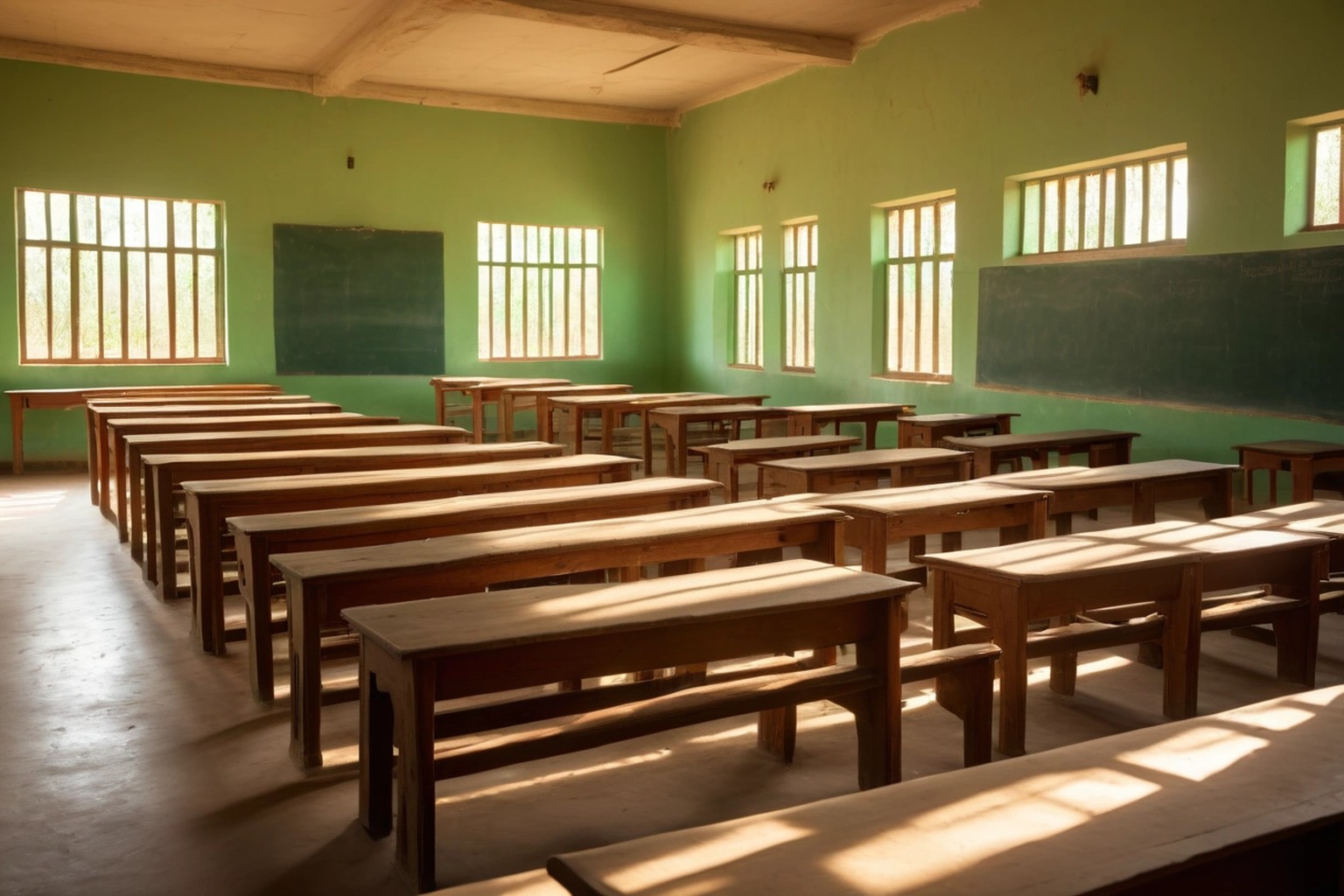
JNU Cancels Auditorium Booking for Umar Khalid Book Discussion; Students’ Union Moves Event Outdoors
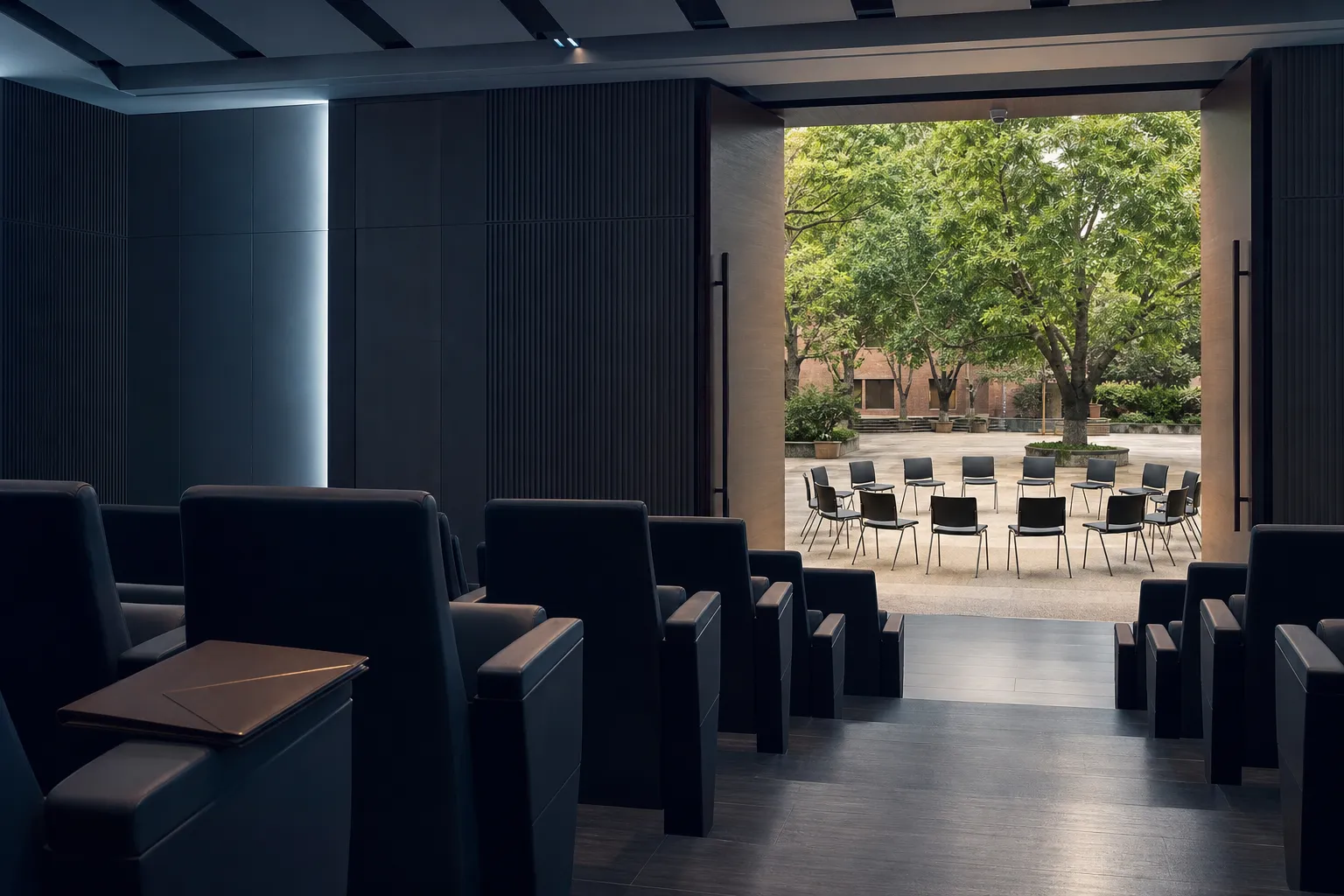
Jawaharlal Nehru University has cancelled the auditorium booking for a discussion scheduled on 10 August around Umar Khalid’s book, saying the organisers did not disclose the full facts about the programme. The JNU Students’ Union has rejected that explanation and announced that the discussion will go ahead outdoors.
The event was planned for 3 pm to 6 pm in the School of Social Sciences-I auditorium. It concerns Fractured Communities, Adivasi Histories and the Politics of Power, a book associated with Khalid’s academic work on Adivasi resistance and questions of land, forests and water.
In the administration’s publicly reported statement, JNU described itself as a democratic and decentralised institution and said permission had been granted by the dean of the School of Social Sciences. It added that the dean had also acted to cancel the booking because full details of the programme had not been disclosed.
The students’ union disputes that account. JNUSU says the booking was made in the format directed by the dean and argues that the “non-disclosure” explanation is a pretext. It has characterised the cancellation as part of an anti-student and anti-intellectual approach. Those are the union’s allegations, not independently established findings.
JNUSU said the discussion would instead be held in the open outside the SSS-II building at the same scheduled time. Moving the venue changes the logistical position but does not resolve the disagreement over how permission was sought, what information was supplied and which university rule was applied.
For students and faculty, the key institutional question is procedural. Universities can set reasonable conditions for room bookings, safety and disclosure of speakers or event content. Such conditions are most defensible when they are written, applied consistently and accompanied by reasons that organisers can challenge. A late cancellation based on a disputed booking record creates uncertainty for every campus group, irrespective of its politics.
The university’s statement, as reported, does not identify the particular information it says was omitted. The students’ union’s response does not provide the full booking form or correspondence. Without those records, it is not possible to determine from the public material alone which account of the application process is accurate.
That evidentiary gap should shape coverage. The confirmed facts are that an indoor booking existed, the university cancelled it on 9 August, the administration cited incomplete disclosure and JNUSU announced an outdoor alternative. Broader claims about censorship, motive or rule-breaking remain contested.
The subject of the event adds political sensitivity, but it does not remove the university’s responsibility to explain its process or the organisers’ responsibility to follow disclosed rules. Academic institutions are strongest when difficult subjects can be discussed under clear, viewpoint-neutral procedures and when security or administrative decisions are proportionate to a documented concern.
Students intending to attend should rely on verified updates from the organisers and the university, particularly because the venue has changed. They should also follow campus access and safety directions. An outdoor event may require different arrangements for weather, sound, accessibility and crowd movement.
The episode is likely to remain a campus-governance issue beyond the three-hour discussion. A constructive next step would be publication of the relevant room-booking requirements and a concise account of how they were applied in this case, with sensitive personal information removed. That would allow the university community to judge the procedure rather than infer motive from competing statements.
At publication, the discussion had not yet taken place. The students’ union’s plan to proceed outdoors is therefore an announced intention, and any later change or incident would require separate verification.
Sources and reporting
Based on the JNU administration’s and JNUSU’s public statements reported on 9 August 2026 by Careers360; no original interviews or independent account of the booking process were available.
Related Stories
Festive Special to Gorakhpur Gets Gurugram Halt
Fifth Accused Held in Rs 25 Lakh Sector 47 Robbery

Courier Staffer Booked Over 105 Missing One8 Returns

HC Sets Rs 50 Lakh Costs for Accused's Return to India

Gurugram Swimmer, 20, Crosses English Channel