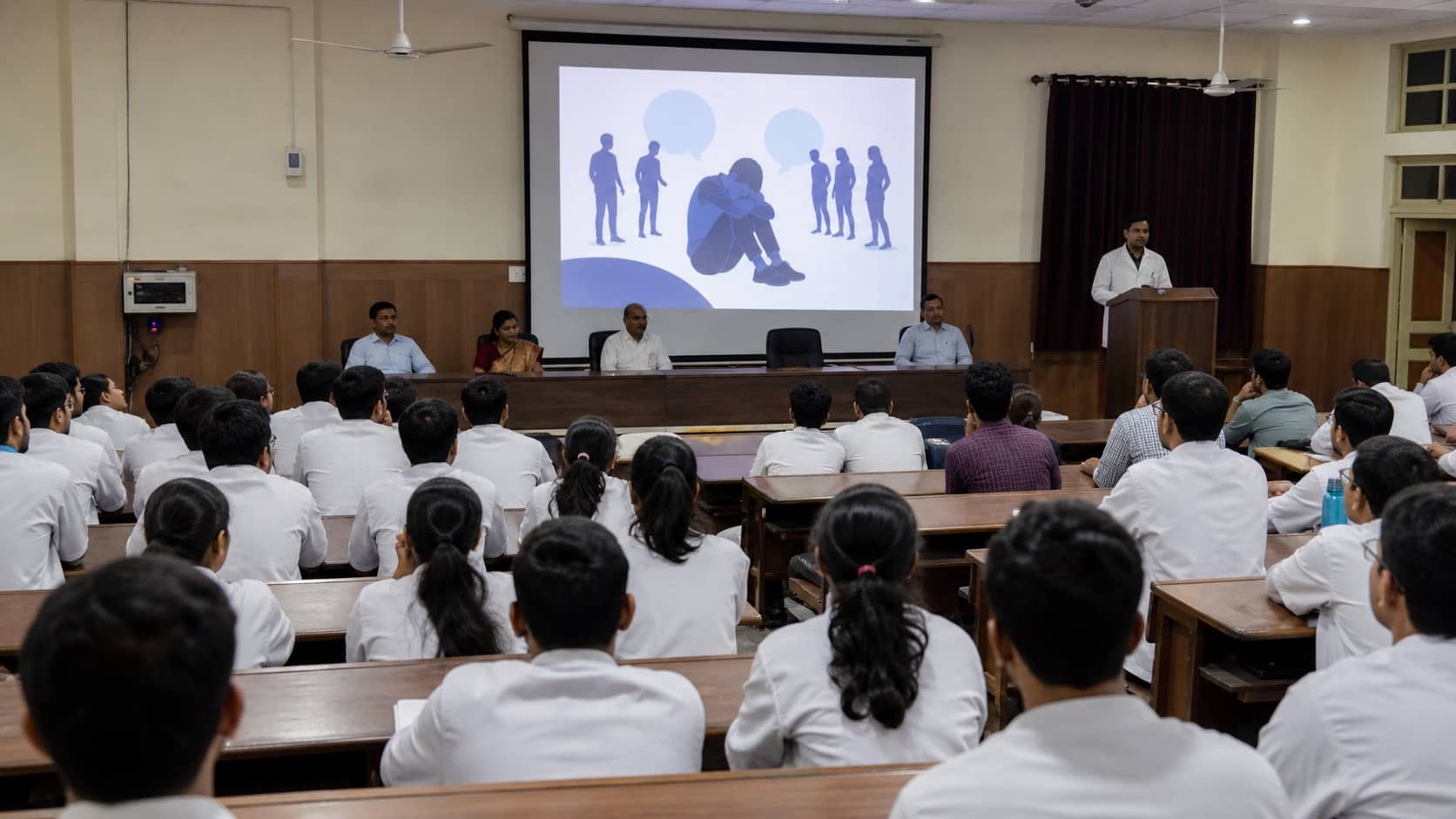
VARANASI: The Institute of Medical Sciences at Banaras Hindu University concluded Anti-Ragging Week 2026 on Thursday with senior officials repeating a zero-tolerance position and warning that students found involved may face police cases under applicable rules.
IMS-BHU director Professor S N Sankhwar told the gathering that ragging would not be accepted and that every complaint would be treated seriously, even though reported incidents on the campus were described as infrequent. Professor Lalit Mohan Agrawal, chair of the anti-ragging squad, said action could include registration of an FIR in accordance with University Grants Commission requirements.
Other speakers emphasised discipline, respect and the responsibility students share for the atmosphere around them. Professor Ranjan Kumar Singh said students have a role in maintaining safety, while Professor Sanjay Gupta focused on awareness and collective responsibility. Faculty members from several departments attended the closing programme.
An annual awareness week is useful, but ragging rarely announces itself under that name. It can be disguised as an introduction, tradition, joke, senior-junior bonding or a private instruction to remain silent. The relevant test is whether a student is humiliated, threatened, coerced, isolated or made to perform an act they did not freely choose.
Medical campuses require special attention because students often live, study and work long hours inside the same institutional system. A senior student may later share a ward, hostel or academic supervisor with the junior who reports them. Confidentiality and protection from retaliation are therefore essential if complaint mechanisms are expected to work.
IMS-BHU should keep reporting channels visible after the posters come down. Hostel noticeboards, orientation material and department pages should list the local committee, emergency contacts and the national anti-ragging helpline. Students need to know what information helps an inquiry and whether they can first seek advice without making a public accusation.
Faculty and wardens also need training to recognise early signs: abrupt withdrawal, missed classes, unexplained fear of returning to a hostel, demands for money or degrading messages in private groups. Dismissing such behaviour as adjustment can allow a pattern to deepen. At the same time, inquiries must distinguish evidence carefully and give every named person due process.
Peer culture is the most powerful prevention tool. Seniors who stop an abusive “introduction” before it grows can change the norm faster than a formal lecture. Mentoring, when voluntary and supervised, can preserve the helpful side of senior-junior relationships without coercion.
Thursday’s ceremony closed a week, not the responsibility. The institute’s pledge will be tested in ordinary months, late evenings and hostel corridors when no awareness event is running. A genuinely ragging-free campus is not one that claims to receive no complaints; it is one where students trust the system enough to report early and know that help will arrive before harm becomes a tradition.