The ICC pitch rating system assesses the playing surface after an international match and can assign demerit points to the venue. A pitch rated Unsatisfactory brings one point, while an Unfit pitch brings three. Six active points trigger a 12 month suspension from hosting international cricket; twelve trigger a 24 month suspension.
These are venue sanctions under the International Cricket Council's Pitch and Outfield Monitoring Process. The assessment covers men's and women's Tests, ODIs and T20 internationals. It also examines the outfield, so a problem need not be confined to the strip on which the bowler delivers the ball.
| Pitch rating | Demerit points | Meaning in the ICC guidance |
|---|---|---|
| Very Good | None | Meets the format's highest listed criteria |
| Satisfactory | None | Acceptable performance below Very Good |
| Unsatisfactory | 1 | Substandard conditions under the relevant criteria |
| Unfit | 3 | A dangerous pitch |
Who decides the ICC pitch rating?
The match referee completes a pitch and outfield report after each match and sends it to the ICC Senior Cricket Operations Manager. The report follows the rating guidelines and, where required, includes comments from both captains and the umpires. The process therefore goes beyond a judgement based solely on the final score.
The ICC's official pitch ratings page explains that the assessment provides feedback to the host board for future preparation. Its monitoring regulations, effective May 2024, require the report to be forwarded to the home board within 14 days of receipt, with a copy to the visiting board.
What makes a Test pitch Unsatisfactory or Unfit?
The Test guidance aims to let players demonstrate the game's different skills as the match develops. It says the balance should slightly favour the bowling side. Natural deterioration is expected: a surface can offer more spin and develop less consistent bounce as it wears.
Some turn on the opening day is acceptable, particularly in the subcontinent. More than occasional uneven bounce at that stage is not acceptable. The guidance also recognises that different bowlers generate different amounts of turn, so it does not set one numerical limit that every delivery must obey.
An Unsatisfactory Test pitch can favour either discipline excessively. A surface with too few wicket taking opportunities for pace and spin can fail the standard, just as one offering bowlers too many can. A dangerous pitch may receive the more serious Unfit rating. A low total, by itself, is not a rating category.
Are ODI and T20 pitch ratings assessed differently?
Yes. The limited overs objective is a surface more favourable to batters, allowing good shot making and behaving consistently so both sides have an even contest. The assessment considers unevenness, seam movement, carry or bounce, and turn. The lowest applicable criterion determines the overall rating.
That means one acceptable feature cannot cancel a serious problem elsewhere in the assessment. The outfield has its own three categories: Satisfactory, Unsatisfactory and Unfit. Its assessment considers grass coverage, bounce, ball speed, safety and recovery after rain. Inadequate drainage can contribute to an Unsatisfactory rating, with the referee considering the rain and drying time available.
How do demerit points lead to a venue ban?
Points remain active for a rolling five year period. Under clause 4.4, reaching six active points brings a 12 month suspension of the venue's international hosting accreditation. Reaching twelve brings a 24 month suspension. One Unsatisfactory assessment therefore does not automatically close a ground to international matches.
There are important counting protections. If both the pitch and outfield are substandard in the same match, the venue receives the higher applicable number rather than adding the two together. The regulations' example gives three points, rather than six, when both are Unfit.
There is also a provision for repeated outfield assessments. After an initial outfield sanction, subsequent outfield ratings within two months do not add to the venue's active points. The stated reason is that repairing an outfield needs more time than producing a better pitch.
Can a board appeal an ICC pitch rating?
The home board can appeal a rating that incurs demerit points. It must lodge written grounds within 14 days of receiving notification. The regulations provide for a three person appeal panel, which considers the referee's report, the home board's submissions, match video and the grounds of appeal. Its decision is final and binding.
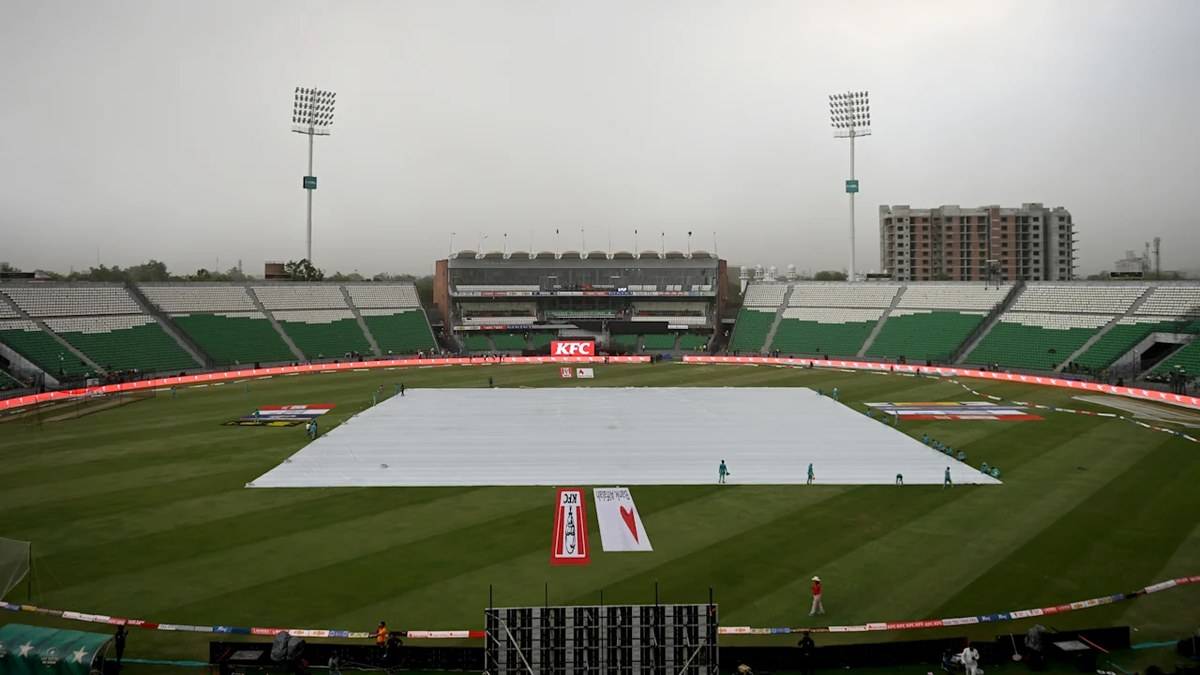
An ICC decision announced on 20 August 2026 illustrates why appeals matter. The panel removed the demerit point imposed on Gaddafi Stadium for the Pakistan versus Australia ODI on 4 June. It also removed the point for the Maple Leaf ground's 8 June match, while retaining three points for its 16 June pitch because it considered that surface dangerous.
Pitch demerits assess venues. For how teams and players are rated, see our Retired hurt vs retired out: when a cricket batter can return. The Test cricket draw vs tie: why level scores can still be a draw explains competition standings, while our ICC rankings calculation: team ratings, player points and the all rounder formula covers reviews of on field decisions.