HRERA Grants Four-Month Project Extension; Gurugram Buyers Seek Guardrails
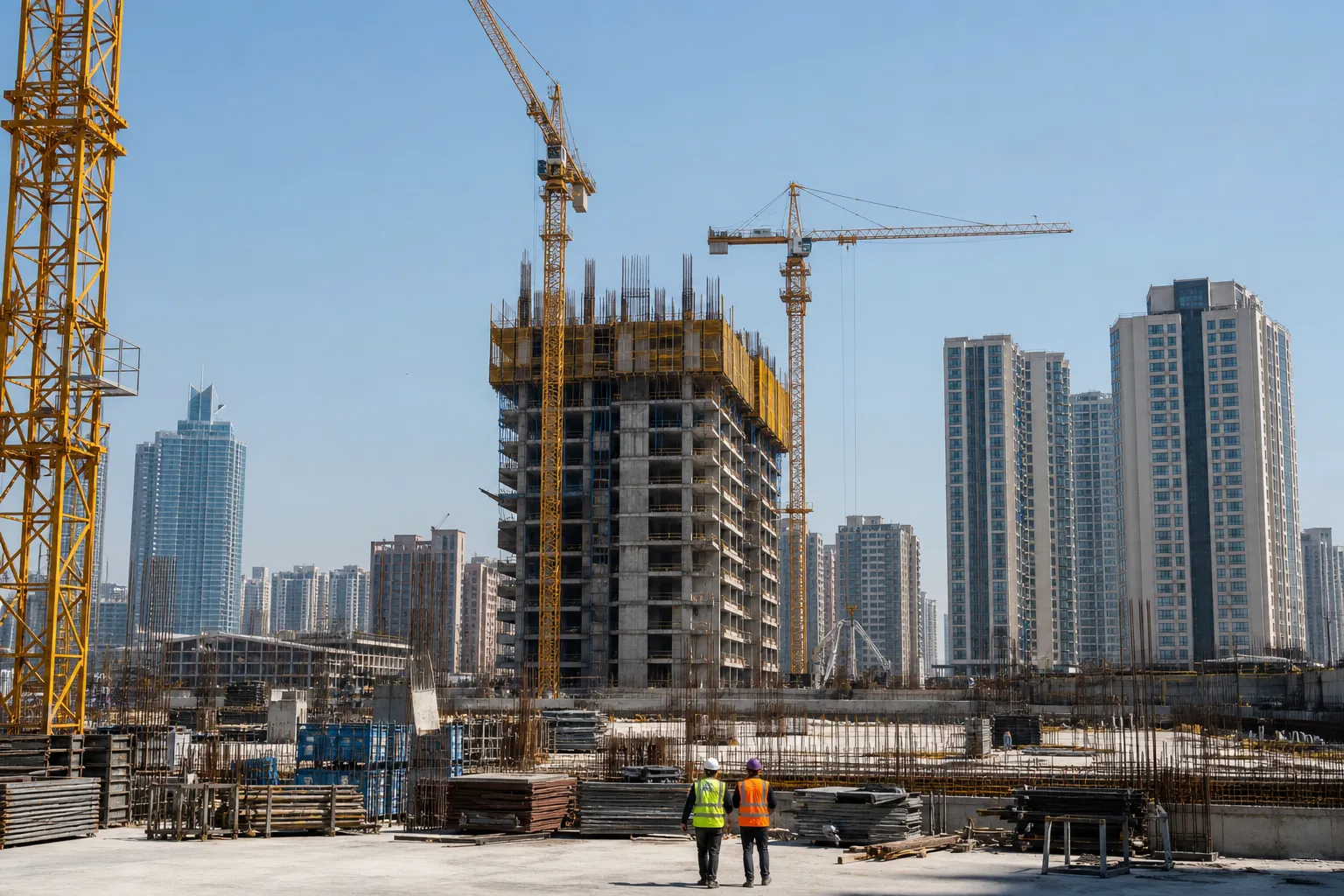
GURUGRAM: Eligible real-estate projects registered with HRERA Gurugram have received an automatic four-month extension to their completion timelines after the regulator cited disruption in construction-material supply linked to the West Asia conflict. Promoters do not need to file individual applications for the benefit.
The relief applies to projects scheduled for completion on or after February 28 and registered with the authority on or before July 31, 2026. The order follows a Union housing ministry advisory that treated the external supply shock as a force-majeure event.
Automatic relief saves paperwork but reduces case-by-case scrutiny
Developers say shortages, transport disruption and higher logistics costs have affected material availability and execution schedules. A standard extension gives them a predictable regulatory response and avoids hundreds of similar applications. It may also prevent rushed work from being used to meet an unrealistic date.
Homebuyers see a different risk. An automatic extension can benefit a project that faced a genuine new disruption and another that was already substantially delayed for unrelated reasons. The order changes the regulatory completion date, but it should not erase the historical record of progress or earlier obligations.
Buyers need project-level disclosure
HRERA should require every beneficiary to update its public project page with the original completion date, revised date, current construction status and specific material impact claimed. Quarterly progress photographs and engineer-certified milestones would let buyers judge whether the four months are being used for work.
The extension also should not be presented as a blanket waiver of compensation, contractual rights or existing orders unless the regulator expressly says so in a particular case. Buyers with prior delay claims need clear guidance on how the general order interacts with their agreements and pending complaints.
Four months must produce measurable progress
A supply-chain shock is real, but its effect varies by project stage. A tower awaiting imported equipment faces a different constraint from a site with little civil work completed. Regulators can preserve fairness by auditing a sample of projects and withdrawing relief where eligibility information is false or progress remains unexplained.
Projects that advertise the revised date to new customers should display the earlier deadline with equal prominence. The extension is regulatory relief for an external disruption, not permission to rewrite the sales history or imply that an older promise never existed.
The order gives developers breathing room; it should give buyers visibility too. Four additional months are easier to accept when the revised calendar is public, the construction plan is specific and the regulator monitors delivery. Without those guardrails, a broad emergency measure risks becoming another opaque extension in a market already shaped by delayed possession.
Sources and reporting
Based on the HRERA Gurugram order issued on 11 August 2026, its eligibility conditions and stated reliance on the Union housing ministry's 31 July force-majeure advisory.
Related Stories

Sector 17 Food Court Fire Blasts Two LPG Cylinders
Signature Global Plans 194-Acre Farrukhnagar Villas

Malda Arrest in Chakkarpur POCSO Case
Army Officer Flags Sector 106 C&D Waste Centre

Registrar Tells Aura RWA to Open Park to EWS