Gurugram Plans 100 MLD Sewage Plant in Sector 107 to Cut Najafgarh Drain Pollution
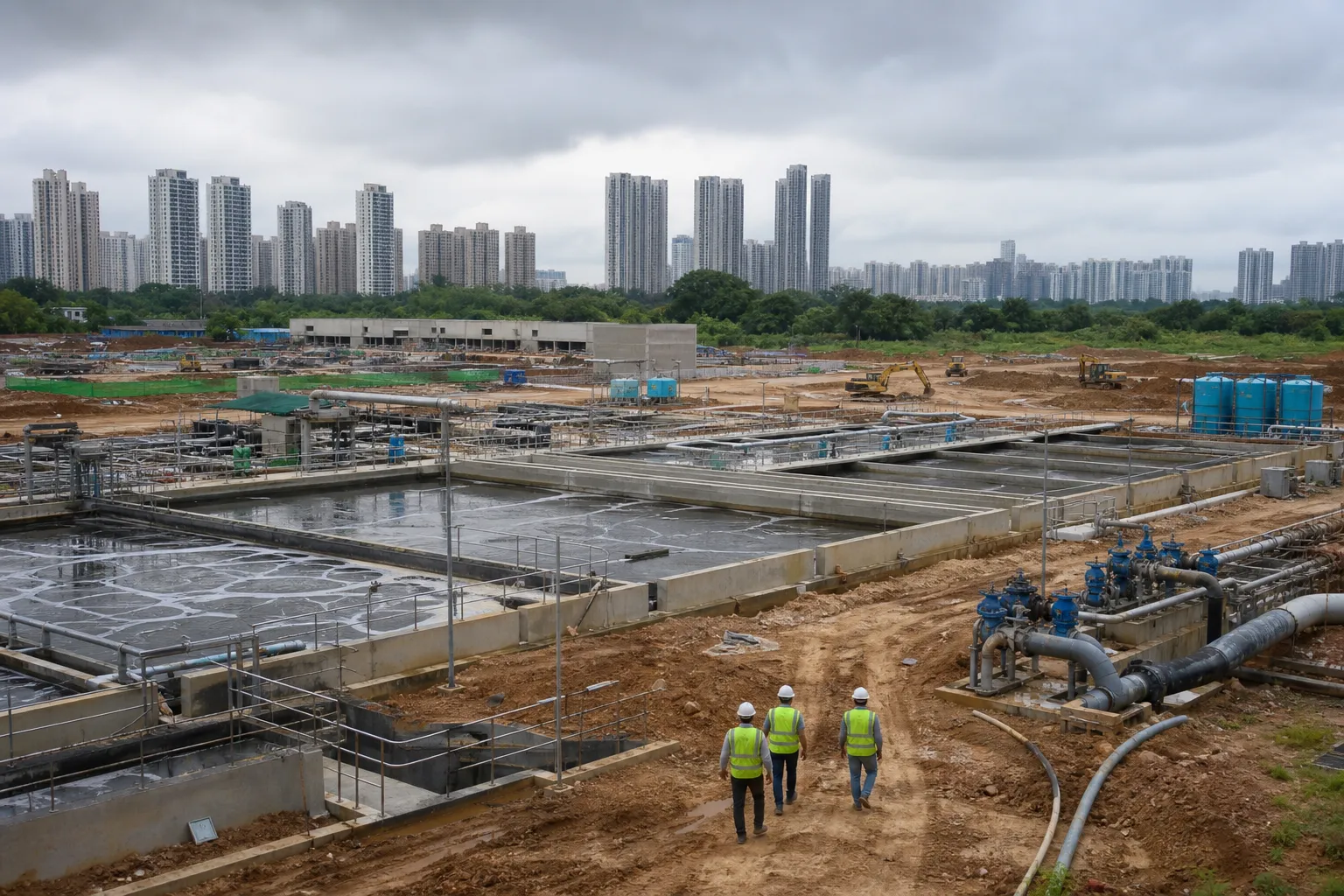
GURUGRAM: A large sewage-treatment project planned for Sector 107 could become one of the most important pieces of sanitation infrastructure in New Gurugram, where rapid construction has outpaced trunk services in several neighbourhoods. The Gurugram Metropolitan Development Authority has floated a tender for a 100 million litres per day treatment plant along with a 400 MLD main pumping station, officials said.
The project is proposed on 49 acres that GMDA purchased from the Municipal Corporation of Gurugram. Its stated purpose is to intercept and treat sewage generated across sectors 81 to 115 before polluted water can find its way into the Najafgarh drain and, further downstream, the Yamuna. The estimated outlay is Rs 197 crore.
Tender floated, construction yet to begin
The distinction between a tender and an operating facility matters. The plant has not been built and work has not been awarded yet. Officials expect the contract to be finalised within about three months, subject to the procurement process. The construction period is expected to be around 18 months from the date work actually starts.
That timeline places the immediate focus on tender scrutiny, land readiness and the connections needed to bring sewage to the site. A treatment plant can deliver its intended benefit only when the upstream sewer network, pumping arrangements and downstream reuse or discharge system function as one chain.
Plant designed to recover energy
GMDA has proposed sequencing batch reactor technology for the facility. Officials said gas produced during treatment would be used to generate at least 6,500 units of electricity a day, with the power consumed within the plant. Treated water is proposed to be released into the Leg-2 stormwater drain after meeting the required standards.
The authority says this arrangement should reduce the quantity of untreated sewage reaching the Najafgarh drain. That outcome will, however, depend on construction quality, reliable operation, continuous pollution testing and the prevention of illegal sewer connections into stormwater channels. The tender is therefore the start of the process rather than proof that the pollution problem has been solved.
Part of a wider capacity expansion
Gurugram currently has an installed sewage-treatment capacity of about 433 MLD across facilities at Behrampur, Dhanwapur, Jahajgarh and IMT Manesar, according to official figures. GMDA has outlined four new plants that could add 340 MLD and lift the city's stated capacity to 773 MLD.
For residents of the fast-growing sectors beyond the Dwarka Expressway, the Sector 107 proposal is especially relevant. Housing density in this belt has risen sharply, while gaps in master sewerage have repeatedly surfaced in civic reviews. The proposed pumping station is sized above the treatment capacity because it is intended to manage the movement of sewage through the wider network, not simply the flow treated at one unit.
The next verifiable milestones will be the award of the tender, mobilisation at the 49-acre site and a clear construction schedule. Until then, the facility remains a significant but proposed intervention in Gurugram's long-running effort to keep sewage out of its storm drains and regional waterways.
Sources and reporting
Original Dalimss News report based on GMDA project details and verified official information available on 8 August 2026.
Related Stories
Festive Special to Gorakhpur Gets Gurugram Halt
Fifth Accused Held in Rs 25 Lakh Sector 47 Robbery

Courier Staffer Booked Over 105 Missing One8 Returns
HC Sets Rs 50 Lakh Costs for Accused's Return to India

Gurugram Swimmer, 20, Crosses English Channel