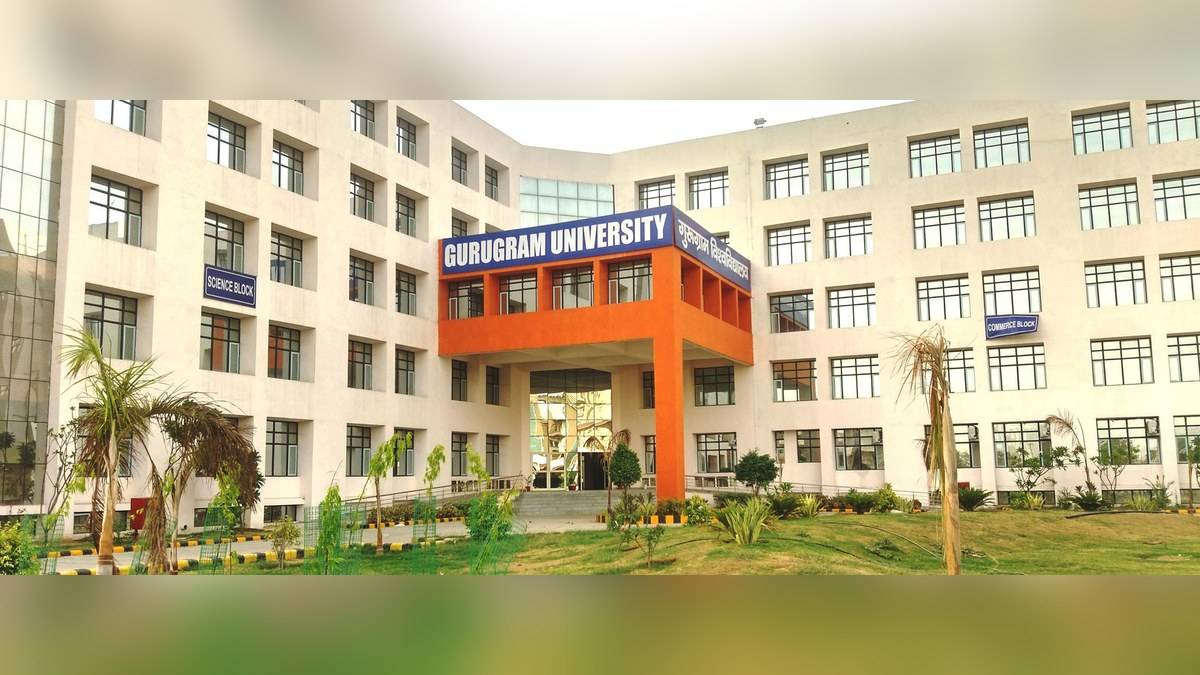

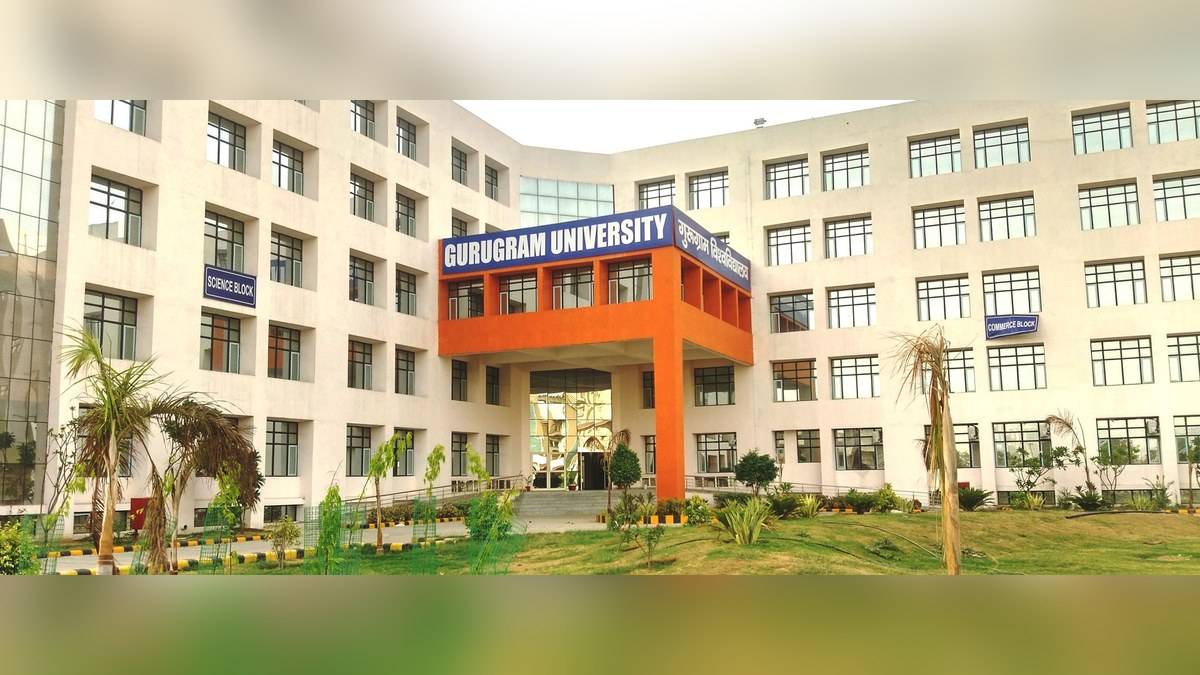
GURUGRAM: A two-day national conference on local government opened at Gurugram University's Sector 51 campus on Monday, November 23, 2026, with Haryana chief minister Nayab Singh Saini asking panchayats and municipal bodies to strengthen their own revenue and prioritise basic services. Village water bill collections and a matching state grant were among the measures discussed in the inaugural address.
The Swarna Jayanti Haryana Institute for Fiscal Management organised the gathering on the transfer of powers, financial sustainability and effective service delivery. Its local significance lies in the work carried out by panchayats and urban wards: sanitation, drinking water, roads and sewerage were expressly identified as priorities in the state government's account of the opening session.
The official release, published at 6.28 pm IST on November 23, records Saini's request that representatives offer practical recommendations during both days of discussion. It describes a conference and policy discussion. It does not set a new Gurugram municipal tax, announce a city water tariff or give a ward-level spending allocation.
Water collections and local resources
Saini said the state had decided to provide villages with a matching grant equal to the amount they collect through water bills. The statement presents this as a government decision intended to increase panchayat income. It does not provide an implementation circular, an application process or a payment timetable for individual villages.
That scope is important for urban residents. The reference in the address is to village water bill collections; the release does not say that municipal consumers will receive an equivalent payment or that households should submit a grant claim. No new bill amount or revised collection deadline is stated in the conference account.
Alongside revenue, the chief minister raised declining groundwater levels and water scarcity. He asked elected representatives to take responsibility for conservation and to examine better use of local resources. For municipal bodies, he linked the search for additional income to maintaining sanitation, drinking water, road and sewerage services.
The address also argued against complete dependence on government budgets. Saini identified financial management and public participation as parts of a stronger local revenue system. These were proposals and priorities put before the gathering, rather than a published schedule of additional charges on residents.
- Venue: Gurugram University, Sector 51.
- Opening session: Monday, November 23, 2026.
- Format: a two-day national conference.
- Core subjects: powers, sustainable finances and service delivery.
- Water measure discussed: matching grants linked to village water bill collections.
Village plans and ward performance
Saini said gram sabha priorities should form the basis of panchayat work plans. He described sarpanches and councillors as the representatives closest to residents' problems and placed responsibility on them to connect local decisions with public needs. The release does not announce a new gram sabha meeting calendar for Gurugram.
He also suggested competition among villages, panchayats and urban wards, with recognition for those performing well. The proposal seeks to encourage improvement in local development. The opening-session account does not specify award categories, eligibility rules, an assessment formula or a date for entries, so it cannot yet be treated as an open awards scheme.
In discussing the background to local institutions, the chief minister referred to the constitutional position of panchayats and municipalities under the 73rd and 74th amendments. He also cited Haryana's educational qualification requirements for panchayat representatives introduced in 2015 and 50% reservation for women in panchayati raj institutions in 2020. These were references to earlier reforms, rather than new eligibility changes announced at the meeting.
The address further referred to the campaign to establish rural property ownership rights in Lal Dora areas. Readers following that subject can see the separate Gurugram Lal Dora claims portal report. The conference release does not revise the timetable or procedures described in that earlier coverage.
Who attended and what follows
Union power, housing and urban affairs minister Manohar Lal attended as special guest. Haryana development and panchayats minister Krishan Lal Panwar, urban local bodies minister Vipul Goel and institute director general Dr Raj Nehru were also present. The official account lists finance and planning additional chief secretary Sudhir Rajpal and representatives from Haryana and other states.
Local participants included legislators Bimla Chaudhary, Tejpal Tanwar and Mukesh Sharma, university vice-chancellor Professor Sanjay Kaushik, police commissioner Shivas Kaviraj and deputy commissioner Uttam Singh. The organiser's official profile describes its role in public financial management, training, monitoring and evaluation of state schemes.
The next stated task is discussion leading to implementable recommendations. Gurugram residents can also follow related local accountability measures through the reports on councillor checks on staff attendance and work bills and municipal staff cadre and seniority corrections. Those are separate administrative developments, not decisions taken by this conference.