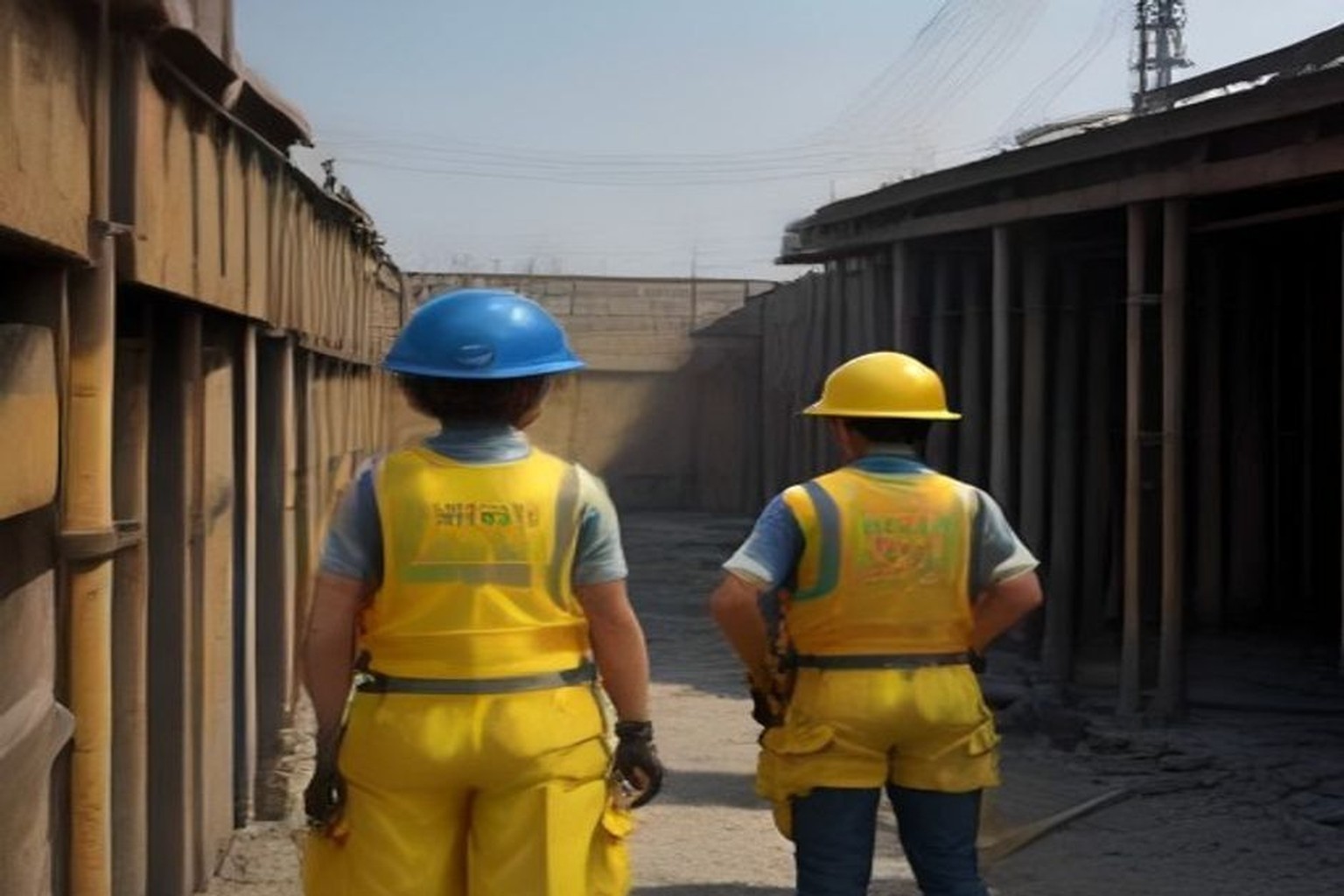
Gurugram Dengue Count Reaches 13 as Health Teams Issue 1,073 Breeding Notices
GURUGRAM: Three additional dengue infections have taken Gurugram's confirmed count to 13 this year, according to the district health department. No dengue-related death has been reported, but the combination of repeated rain, standing water and a large volume of mosquito-breeding notices shows why the next few weeks require household action as well as official surveillance.
Health teams surveyed 14,537 homes in a single day and collected 93 samples from people suspected of having dengue. The cumulative number of samples tested this year has reached 4,404. Officials have also reported four active malaria cases, keeping both major mosquito-borne infections on the monsoon watchlist.
More than a thousand premises have received notices
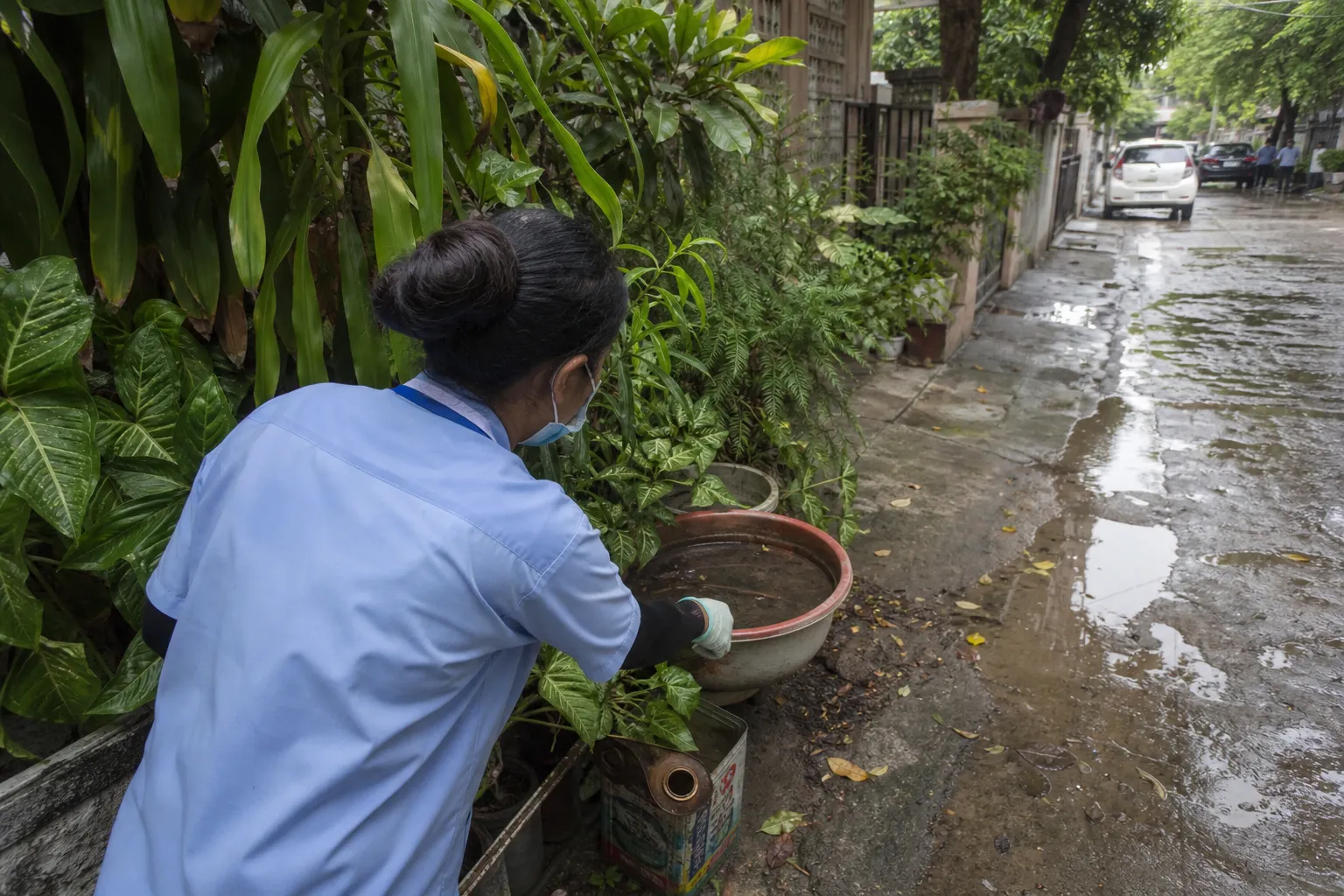
Authorities have issued 1,073 notices under the Haryana Municipal Act to owners or occupiers of premises where conditions suitable for mosquito breeding were detected. A notice does not mean someone has caused a dengue infection. It identifies standing water or another preventable condition that must be removed before larvae develop into adult mosquitoes.
The common breeding sites are often ordinary: a planter tray, rooftop container, construction bucket, discarded tyre, cooler tank or an uncovered drum. The Aedes mosquito that spreads dengue can breed in clean stagnant water, so a tidy-looking balcony or construction floor can still carry risk.
Waterlogging expands the surveillance challenge
Prolonged waterlogging and clogged drains create more sites for mosquitoes and make routine inspection harder. Anopheles mosquitoes, which transmit malaria, can use stagnant water bodies and poorly drained areas. Civic teams therefore need to connect disease surveillance with drainage repair, waste removal and construction-site enforcement instead of treating health notices as a standalone campaign.
Residents should empty and scrub water containers at least weekly, keep overhead tanks covered and report stagnant water that cannot be removed privately. Fever, severe headache, pain behind the eyes, body ache, nausea or rash should prompt medical advice. Self-medication with painkillers can be unsafe in suspected dengue, particularly when medicines increase bleeding risk.
Case counts need context, not panic
Thirteen confirmed cases do not by themselves establish a citywide outbreak. Testing volume, location clusters, active cases and hospital admissions all matter. The district should continue publishing regular updates so residents can distinguish a rising local cluster from social-media speculation.
The most useful response is early and boring: remove water, use mosquito protection, seek timely testing and let field teams inspect. Gurugram's monsoon infrastructure problems can create the conditions for disease, but thousands of small breeding sites sit inside private premises. The health department can count and warn; households and property managers must close those sites before the count climbs.
Sources and reporting
Based on Gurugram district health department surveillance figures released on 6 August 2026, including confirmed cases, house surveys, testing and breeding notices.
Related Stories

Sector 17 Food Court Fire Blasts Two LPG Cylinders

Signature Global Plans 194-Acre Farrukhnagar Villas
Malda Arrest in Chakkarpur POCSO Case

Army Officer Flags Sector 106 C&D Waste Centre

Registrar Tells Aura RWA to Open Park to EWS